In the world of industrial and home applications, the Piston Air Compressor stands out as a reliable workhorse. This guide aims to assist global buyers in navigating the diverse options available. Understanding the unique features and specifications of Piston Air Compressors is crucial for making an informed choice.
Piston Air Compressors utilize a straightforward mechanism to deliver compressed air efficiently. This technology transitions through various phases, creating consistent pressure. Many users appreciate their simplicity, but some might overlook critical maintenance aspects. Regular checks and servicing can prevent costly breakdowns.
Choosing the best Piston Air Compressor isn't merely about brand or price. It's imperative to evaluate your specific needs. How often will you use it? What is the required output pressure? By addressing these questions, buyers can ensure they select a model that truly meets their requirements. This exploration empowers you to invest wisely in a durable, efficient compressor that supports your tasks effectively.
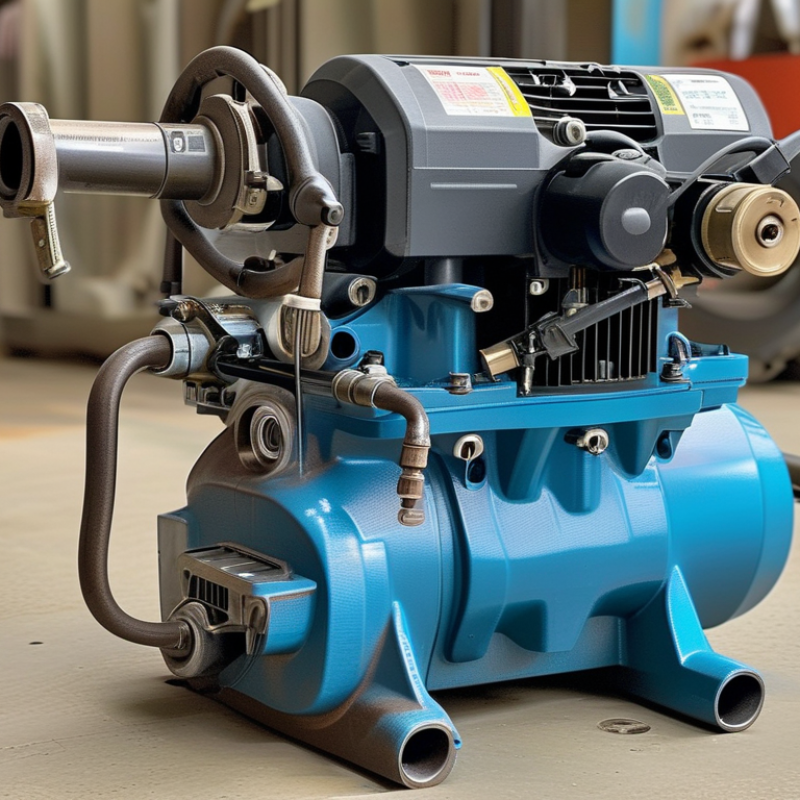
Piston air compressors play a vital role in various applications. They operate by converting mechanical energy into compressed air through a simple yet effective mechanism. This process involves a reciprocating piston that moves within a cylinder. As the piston moves down, it creates a vacuum that draws in air. When it ascends, the air is compressed and forced out through a discharge valve.
The mechanics are essential for understanding performance. The efficiency of a piston air compressor largely depends on its design, materials, and tuning. High-quality materials and precise engineering result in better durability and effective operation. However, not all compressors reach their potential. Many face challenges such as overheating or insufficient lubrication, which can impact reliability.
When selecting a piston air compressor, users often overlook maintenance needs. Even the best models require regular upkeep to function efficiently. Not all buyers consider the implications of poor maintenance. They may assume that higher initial costs guarantee long-term performance, which isn't always true. Understanding the mechanics of these compressors can lead to better choices and enhanced reliability over time.
When selecting a piston air compressor, several key features matter. A primary consideration is the compressor's horsepower (HP). A study by TechSci Research suggests that the demand for powerful compressors is rising, particularly in industrial settings. Compressors with 5-7 HP are commonplace for moderate tasks, while heavy-duty applications often require units with 10 HP or more.
Another important aspect is the tank size. Larger tanks provide more air storage, reducing the need for the compressor to cycle frequently. According to a report by MarketsandMarkets, a minimum tank capacity of 30 gallons is recommended for industrial applications. However, smaller projects may find 6-10 gallon tanks adequate.
Noise levels and energy efficiency also play crucial roles. A typical piston compressor operates between 70-90 decibels. For environments sensitive to noise, selecting a quieter option is vital. Importantly, energy consumption can vary widely. Some models consume significantly more electricity compared to others, affecting long-term operating costs. Thoughtful evaluation of these features can yield a reliable and efficient piston air compressor for any application.
When selecting a piston air compressor in 2026, understanding the different brands and models is essential. Piston air compressors are known for their efficiency and reliability. These units typically work by drawing in air and compressing it, making them ideal for various tasks. Whether you're focused on automotive work or home projects, the right compressor can make a significant difference.
Several reputable brands dominate the market. They often offer a range of models tailored for different applications. Some models provide high pressure, while others emphasize low noise levels. Factors like tank size, portability, and PSI ratings vary widely. It's advisable to consider what you need the compressor for before choosing a specific model. Many available options can feel overwhelming, leading to doubts about the best choice.
Remember, not all units will meet your requirements. Users often overlook maintenance. Regular upkeep influences performance and longevity. Issues like air leaks or oil levels can affect efficiency. It's crucial to reflect on your needs and do thorough research before making a decision. Finding the best piston air compressor can involve trial and error, but being informed helps in making a wise choice.
Maintaining a piston air compressor is essential for its longevity and optimal performance. Regular oil changes are necessary to keep the machine running smoothly. Use the recommended oil type for your specific model. Dirty oil can lead to reduced efficiency and potential damage. Intervals may vary, so check the manual.
Keep an eye on the air filter. A clean filter ensures better airflow and reduces strain on the motor. Replace the filter when it's dirty or clogged. Remember, neglecting this can lead to overheating. Regular inspections will help catch issues early, preventing costly repairs.
Lastly, listen to your compressor. Unusual noises or vibrations can signal underlying problems. Address these issues promptly to prevent escalation. Maintenance can seem tedious, but the rewards are clear. Failing to do so could lead to unexpected downtime and increased expenses.
In recent years, piston air compressor technology has undergone notable advancements. These compressors provide robust performance across various industries. As energy efficiency and sustainable practices become crucial, manufacturers focus on optimizing designs. Enhanced insulation and advanced sealing technologies are driving efficiency improvements. These changes aim to reduce energy loss during operation.
The future trend emphasizes smart technology integration. IoT capabilities allow real-time monitoring and management. Users can track performance metrics and maintenance needs remotely. This not only minimizes downtime but also extends the lifespan of the equipment. However, despite these advancements, the industry faces challenges. Many end-users struggle to adapt to new technologies and the learning curve can be steep.
Moreover, there's an increasing demand for quieter models. Noise pollution remains a concern, especially in urban settings. Manufacturers are experimenting with sound-dampening designs. While promising, these innovations need thorough testing to ensure reliability. Balancing performance and quiet operation remains an ongoing challenge in the development of piston air compressors.
„Thanks to the LUVIR technology, the solder resist process could be switched directly from the previously used mask exposure to direct exposure. As an outstanding digital solution on the market, this technology has been able to demonstrate fast process times and superior quality on our certified conventional ink in production. This allowed us to fully digitize the solder mask process at low cost – without process or ink adjustments. An excellent benefit to our production in Rot am See.“
Ralf Göhringer (Head of Production WE Rot am See)
I would definitely recommend the Limata machine and team for a future company purchase
Michael Greenaway
Compunetics Inc.
“The Limata ldi has been amazing!! Best thing we did was buy this machine”
Richard Brady
GM
Circuitlabs
“Since 2019, we have been running the Limata X1000 LDI system (including LUVIR for solder mask imaging) in daily production as an addition to our current process with film. The machine was capable of properly exposing Taiyo PSR-4000 BN (DI) solder mask types on normal to high-copper boards using a new and unique direct imaging process. The machine operating interface is very user friendly which allowed for a quick technical training curve. The pre-registration processing reduced several seconds of production time at every print. Limata support and service staff is incomparable. They supported our team every step of the way at basically any time of the day or night, with literally, an immediate response time, customizing the software interface to best fit our Operations and needs.
We have exposed more than 8,000 prints since end of October, on various solder mask colors and some resist film panels. Limata, has proven to be very capable and innovative. They are a strong contender in the industry.
We have very much enjoyed this project, and working with the team!
Thank you Limata for the continued support and being a part of our growth.”
Bill Sezate
Vice President, GM
Summit Interconnect
As a replacement to our current contact exposure process with film, the LIMATA X2000 system including LUVIR-Technology was capable of properly exposing non-LDI solder mask types using a direct imaging process. The machine offers cutting edge software with a very intuitive operating interface which allowed for quick technician training curve. The dual drawer system combined with pre-registration processing reduced several seconds of production time at every machine cycle. Limata support and service staff is world class. They added software patches to keep production running at shortest possible response times, customized the software interface to best fit our in-house Operations system, and even wrote a step-by-step machine processing manual. As a result of the project, we have exposed more than 16,000 times on various product types and solder mask brands/colors. Limata, in a very short timeframe as a company, has definitely shown they are truly innovative and will be challenging the industry of direct imaging for the top spot.
Kevin Beattie
Process Engineer
TTM Technologies
Forest Grove Division
