In the dynamic world of construction, selecting the right equipment is crucial. Among these, the vertical cement mixer stands out for its efficiency and effectiveness. Expert Mark Spencer, a leading figure in cement technology, emphasizes, "A quality vertical cement mixer can make the difference between a successful project and costly delays."
Vertical cement mixers are designed to handle various materials and provide a smooth mixing experience. They are ideal for both small-scale jobs and large construction projects. Their unique design allows for better mixing and reduced labor costs. However, not all mixers are created equal. Factors like capacity, power, and durability can make choosing the right model challenging.
Even seasoned professionals can overlook key specifications. The market is flooded with options, and it's easy to make a mistake. Understanding what features are essential is vital. Buyers should consider reports and reviews from trusted sources to avoid potential pitfalls. Making an informed decision can lead to significant long-term benefits.
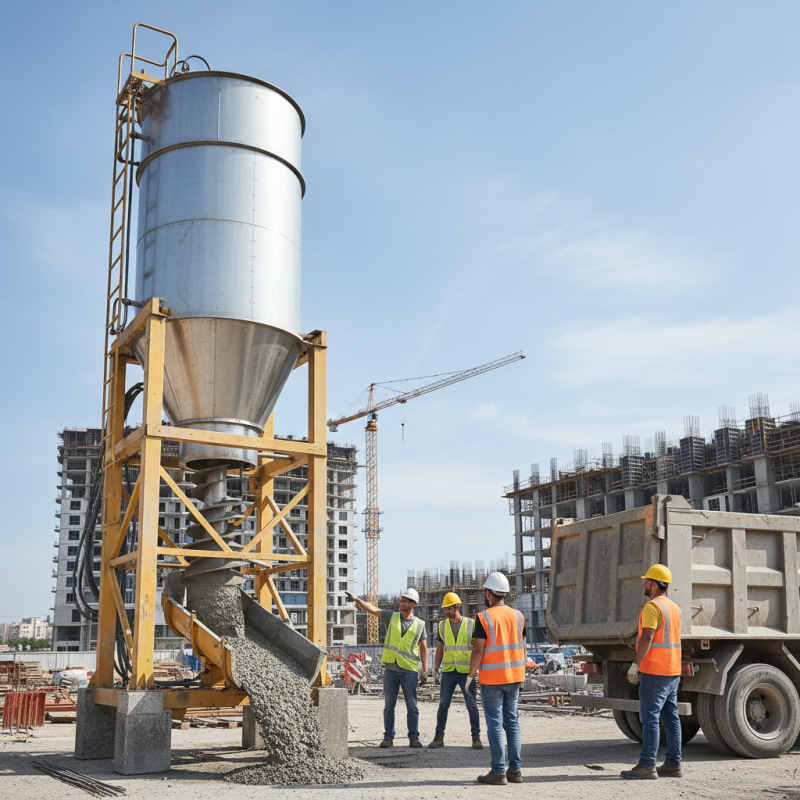
Vertical cement mixers are essential tools in construction. They are designed for mixing concrete efficiently and uniformly. Various types serve different project needs. These mixers can vary in size and mixing capacity. Factors like project scale and specific material requirements affect selection.
There are portable models available for small jobs. Larger stationary models are suited for heavy-duty work. Each type has its advantages. Portable mixers are easy to move. However, they may not handle large volumes as effectively. Stationary mixers, on the other hand, can mix larger quantities at once but require more space.
Selecting the right mixer demands careful consideration of several factors. Assess the project’s scale and the desired concrete consistency. Reflection on your mixing habits can lead to better choices. Some users find they need to adapt as job requirements change. Understanding the types of vertical mixers and how to use them effectively is crucial for any contractor.
When buying a vertical cement mixer, consider its capacity. Larger mixers handle bigger batches, but ensure they fit your site. A too-large model can be inefficient. Look for a compact design if space is limited.
Power is another key feature. Higher horsepower results in faster mixing. This is especially crucial for heavy materials. Check the motor type: electric models are quieter, while gas units offer mobility. Don’t forget to think about the mixer's weight. A stable base ensures safety during operation.
Tips: Always read product specifications carefully. It helps you avoid surprise issues later. Try to view user reviews; they provide real-world insights. Pay attention to warranty and support services as they reflect reliability. Investing time in research can save costs in the long run.
| Feature | Description | Importance | Average Price |
|---|---|---|---|
| Capacity | Measured in liters, indicates the volume of concrete it can mix. | High | $1,000 - $3,500 |
| Power | Measured in horsepower or watts, determines efficiency and speed. | High | $1,200 - $3,000 |
| Mixing Method | Type of mixing action, whether planetary, drum, or twin shaft. | Medium | $800 - $2,500 |
| Portability | Ease of movement and transportability of the mixer. | Medium | $700 - $1,800 |
| Durability | Quality of materials used and overall build integrity. | High | $900 - $2,200 |
| Ease of Maintenance | How easily parts can be accessed and replaced if needed. | Medium | $600 - $1,500 |
| Safety Features | Includes emergency stops, guards, and safe operation guidelines. | High | $1,000 - $2,000 |
As the demand for vertical cement mixers grows, identifying top brands becomes crucial for buyers in 2026. Research indicates that the global cement mixer market is projected to reach $20 billion by 2027. This figure highlights brisk growth, emphasizing the need for reliable equipment in construction projects worldwide.
Leading manufacturers are focusing on innovation. Many are incorporating advanced mixing technology and automated features to enhance efficiency. Reports have shown that 75% of construction firms prioritize durability and user-friendliness in their purchase decisions. The industry is also seeing increased competition, pushing brands to improve their product offerings continuously.
Quality and service are significant considerations for buyers. Construction experts suggest evaluating service agreements and product warranties before making a purchase. Not all brands can guarantee robust customer support. In a landscape characterized by rapid advancements, potential buyers should be vigilant. Some brands may promise high performance but fall short in reliability. This duality in the market creates a complex decision-making process.
In 2026, the global market for vertical cement mixers is evolving rapidly. Many buyers seek reliable, efficient mixers to meet project demands. The pricing for these mixers varies significantly depending on features and capacities. Generally, entry-level models are more affordable, while advanced machines come at a premium. Understanding your specific needs is essential before making a purchase.
Current trends indicate a rising preference for eco-friendly mixers. Buyers emphasize sustainability and energy efficiency. Designs are becoming more compact, catering to space constraints in urban environments. However, it’s crucial to critically assess the quality of materials used. Sometimes, manufacturers prioritize cost over durability, leading to concerns down the line.
When considering vertical cement mixers, conducting thorough market research is vital. Some buyers might overestimate their requirements, leading to wasted resources. Seeking expert advice can refine choices. User reviews often reveal insights that official specifications may overlook. This reflection can help in making an informed decision that balances both need and budget effectively.
Maintaining a vertical cement mixer is crucial for maximizing its lifespan. Regular inspection of vital components can prevent costly repairs. According to industry reports, 70% of mixer failures result from insufficient maintenance practices. Operators should check the drum for wear and tear as well as ensure that bearings are lubricated properly.
Another key aspect is ensuring that the mixer operates under the correct load. Studies indicate that overloading can decrease efficiency by up to 15%. Additionally, using the right type of cement mixture can prevent excessive wear on the mixer. Operators should make adjustments based on environmental conditions. For instance, high humidity can alter the mix's properties.
Cleaning the mixer after each use is essential. Concrete residue can harden and cause damage over time. Reports show that neglecting this routine can reduce a mixer's life by 20%. Operators should consider using water or a specialized cleaning solution. Paying attention to these maintenance aspects can lead to increased reliability and performance in the long run.
„Thanks to the LUVIR technology, the solder resist process could be switched directly from the previously used mask exposure to direct exposure. As an outstanding digital solution on the market, this technology has been able to demonstrate fast process times and superior quality on our certified conventional ink in production. This allowed us to fully digitize the solder mask process at low cost – without process or ink adjustments. An excellent benefit to our production in Rot am See.“
Ralf Göhringer (Head of Production WE Rot am See)
I would definitely recommend the Limata machine and team for a future company purchase
Michael Greenaway
Compunetics Inc.
“The Limata ldi has been amazing!! Best thing we did was buy this machine”
Richard Brady
GM
Circuitlabs
“Since 2019, we have been running the Limata X1000 LDI system (including LUVIR for solder mask imaging) in daily production as an addition to our current process with film. The machine was capable of properly exposing Taiyo PSR-4000 BN (DI) solder mask types on normal to high-copper boards using a new and unique direct imaging process. The machine operating interface is very user friendly which allowed for a quick technical training curve. The pre-registration processing reduced several seconds of production time at every print. Limata support and service staff is incomparable. They supported our team every step of the way at basically any time of the day or night, with literally, an immediate response time, customizing the software interface to best fit our Operations and needs.
We have exposed more than 8,000 prints since end of October, on various solder mask colors and some resist film panels. Limata, has proven to be very capable and innovative. They are a strong contender in the industry.
We have very much enjoyed this project, and working with the team!
Thank you Limata for the continued support and being a part of our growth.”
Bill Sezate
Vice President, GM
Summit Interconnect
As a replacement to our current contact exposure process with film, the LIMATA X2000 system including LUVIR-Technology was capable of properly exposing non-LDI solder mask types using a direct imaging process. The machine offers cutting edge software with a very intuitive operating interface which allowed for quick technician training curve. The dual drawer system combined with pre-registration processing reduced several seconds of production time at every machine cycle. Limata support and service staff is world class. They added software patches to keep production running at shortest possible response times, customized the software interface to best fit our in-house Operations system, and even wrote a step-by-step machine processing manual. As a result of the project, we have exposed more than 16,000 times on various product types and solder mask brands/colors. Limata, in a very short timeframe as a company, has definitely shown they are truly innovative and will be challenging the industry of direct imaging for the top spot.
Kevin Beattie
Process Engineer
TTM Technologies
Forest Grove Division
