The rise of automation in various industries has introduced new solutions like the Agv Lift. This innovative technology is transforming how businesses manage their material handling processes. In warehouses and manufacturing, an Agv Lift enhances operational efficiency. It significantly reduces the need for manual labor, cutting down on human error.
By integrating Agv Lift systems, companies can experience smoother workflows. Imagine a busy warehouse where goods move seamlessly without human intervention. This leads to faster delivery times and improved inventory management. However, the implementation process might come with challenges. Companies must ensure their systems are compatible to reap the full benefits.
While the benefits of an Agv Lift are apparent, not every business may be ready for such a transition. Thorough planning is crucial. Businesses should assess their specific needs and readiness for automation. A well-thought-out strategy can make a significant difference in the successful adoption of this technology.
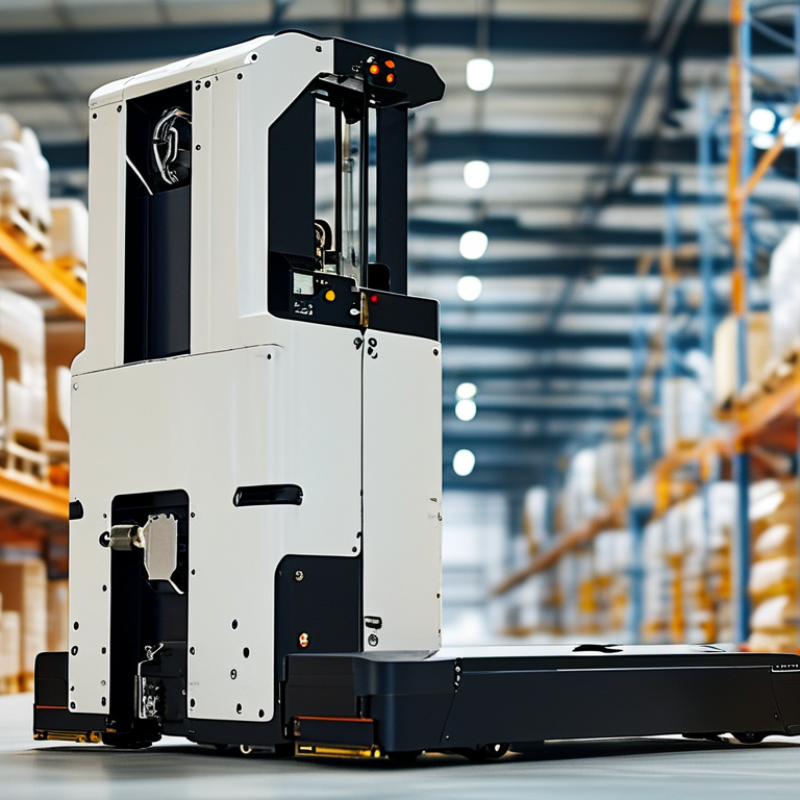
AGV lifts are vital components in automated systems. These lifts allow automated guided vehicles to effectively transport materials across different heights. They optimize warehouse operations by enabling seamless vertical movement of goods. In industries where efficiency is crucial, AGV lifts reduce manual handling and minimize the risk of injuries.
According to a report by Logistics Management, companies utilizing AGV systems can increase overall efficiency by up to 30%. This integration not only streamlines workflows but also enhances storage capabilities. By facilitating quick access to products, AGV lifts limit down-time associated with manual loading and unloading. For example, in a busy warehouse, an AGV lift can transport pallets from ground level to elevated shelves without operator intervention.
However, implementing AGV lifts is not without challenges. Companies often face initial integration costs and staff training issues. A survey from the Global Robotics Report indicates that around 42% of companies struggle with these transition phases. Support is essential to maximize the effectiveness of the system. Consequently, businesses must plan carefully to ensure a smooth transition to automated solutions. Balancing these complexities against potential gains remains an ongoing consideration for many industries.
AGV lifts, or Automated Guided Vehicle lifts, revolutionize material handling processes. These systems use advanced technology to transport goods efficiently. The integration of sensors, cameras, and navigation technology creates a robust solution for businesses.
Key components of AGV lifts include motors, control systems, and safety features. Motors drive the vehicles, while control systems coordinate their movements. Safety features, such as emergency stops and obstacle detection, ensure safe operation. A report from the Material Handling Industry of America states that implementing AGV solutions can increase productivity by up to 30%.
Tips: Consider your facility's layout before implementing AGV lifts. A well-planned space can significantly enhance performance. Regular maintenance checks are crucial too. Neglect can lead to downtime, undermining the efficiency benefits.
Another important element is data integration. Many AGV lifts can connect to existing warehouse management systems. This helps streamline operations further. However, not all AGV solutions may fit every business model. Assess compatibility to avoid costly adjustments later. Adapting to new technology requires thoughtful planning and occasional trial and error.
| Component | Description | Benefits |
|---|---|---|
| Lifting Mechanism | The part of the AGV that raises and lowers the load. | Enables efficient loading and unloading of goods. |
| Navigation System | Guides the AGV through its environment using various technologies. | Ensures accurate positioning and reduces operational errors. |
| Control Software | The system that manages the AGV's operation and tasks. | Optimizes workflow and improves efficiency through real-time data. |
| Safety Features | Includes sensors and emergency stops to avoid accidents. | Enhances workplace safety and compliance with regulations. |
| Power Supply | The source of energy for the AGV to operate. | Ensures a sustainable and reliable operation over extended periods. |
Incorporating AGV lifts into business operations brings several advantages. These autonomous systems can significantly enhance efficiency in material handling. By automating the lifting and transporting of goods, companies reduce human error. This leads to safer work environments. Employees can focus on higher-value tasks rather than repetitive lifting.
AGV lifts operate around the clock. This constant availability means increased throughput for warehouses and factories. They optimize space usage as well. For instance, AGV lifts navigate tight spaces that traditional equipment cannot access easily. However, implementing this technology requires careful planning. Businesses must assess their workflows and potential obstacles.
The initial investment may be substantial. Yet, the long-term benefits often outweigh costs. Companies must consider employee retraining as well. Transitioning to automated systems can sometimes cause confusion. Open communication and training can alleviate these issues. Overall, AGV lifts have the potential to revolutionize material handling processes in various industries.
AGV lifts are transforming various industries by enhancing operational efficiency. Warehousing, manufacturing, and retail are the sectors that realize the most benefits. In a warehouse, AGV lifts automate the transportation of heavy goods, minimizing manual handling. This reduces workplace injuries and speeds up order fulfillment.
In manufacturing, AGV lifts can transport materials between production stations. This improves workflow and decreases downtime. However, integrating AGV technology isn't always smooth. Companies must assess their existing systems before implementation. If not, they risk disruptions in operations.
The retail sector can also harness AGV lifts. Moving inventory efficiently is critical during peak shopping seasons. AGV lifts can streamline restocking on the sales floor. Yet, businesses need to consider the upfront investment and training for staff. It’s vital to weigh these factors carefully for a successful transition.
AGV lift technology continues to evolve, offering significant advancements in automation. These systems allow for seamless material handling, enhancing efficiency in warehouses. Modern AGV lifts now incorporate AI and machine learning. This integration enables better navigation and decision-making processes.
Future trends indicate a shift towards greater customization. Businesses will demand AGV lifts that can adapt to specific tasks. This means more scalable solutions that fit varied operational needs. Enhanced sensor technology will improve safety standards, minimizing accidents. Innovative designs will also emerge, accommodating larger loads without compromising speed.
However, challenges remain. The initial investment in AGV lift systems can be high. Many businesses may hesitate to adopt this technology due to cost concerns. There’s a learning curve involved, which can slow down implementation. Companies must weigh these factors against potential long-term gains. The future of AGV lifts is promising but requires careful consideration of current limitations.
This chart illustrates the potential benefits of implementing AGV Lift technology in various business operations, demonstrating improvements in efficiency, cost reduction, and productivity enhancement over the last few years.
„Thanks to the LUVIR technology, the solder resist process could be switched directly from the previously used mask exposure to direct exposure. As an outstanding digital solution on the market, this technology has been able to demonstrate fast process times and superior quality on our certified conventional ink in production. This allowed us to fully digitize the solder mask process at low cost – without process or ink adjustments. An excellent benefit to our production in Rot am See.“
Ralf Göhringer (Head of Production WE Rot am See)
I would definitely recommend the Limata machine and team for a future company purchase
Michael Greenaway
Compunetics Inc.
“The Limata ldi has been amazing!! Best thing we did was buy this machine”
Richard Brady
GM
Circuitlabs
“Since 2019, we have been running the Limata X1000 LDI system (including LUVIR for solder mask imaging) in daily production as an addition to our current process with film. The machine was capable of properly exposing Taiyo PSR-4000 BN (DI) solder mask types on normal to high-copper boards using a new and unique direct imaging process. The machine operating interface is very user friendly which allowed for a quick technical training curve. The pre-registration processing reduced several seconds of production time at every print. Limata support and service staff is incomparable. They supported our team every step of the way at basically any time of the day or night, with literally, an immediate response time, customizing the software interface to best fit our Operations and needs.
We have exposed more than 8,000 prints since end of October, on various solder mask colors and some resist film panels. Limata, has proven to be very capable and innovative. They are a strong contender in the industry.
We have very much enjoyed this project, and working with the team!
Thank you Limata for the continued support and being a part of our growth.”
Bill Sezate
Vice President, GM
Summit Interconnect
As a replacement to our current contact exposure process with film, the LIMATA X2000 system including LUVIR-Technology was capable of properly exposing non-LDI solder mask types using a direct imaging process. The machine offers cutting edge software with a very intuitive operating interface which allowed for quick technician training curve. The dual drawer system combined with pre-registration processing reduced several seconds of production time at every machine cycle. Limata support and service staff is world class. They added software patches to keep production running at shortest possible response times, customized the software interface to best fit our in-house Operations system, and even wrote a step-by-step machine processing manual. As a result of the project, we have exposed more than 16,000 times on various product types and solder mask brands/colors. Limata, in a very short timeframe as a company, has definitely shown they are truly innovative and will be challenging the industry of direct imaging for the top spot.
Kevin Beattie
Process Engineer
TTM Technologies
Forest Grove Division
