Laser direct imaging (LDI) is revolutionizing the manufacturing landscape. This advanced technology offers numerous benefits, enhancing efficiency and precision in production processes. According to a recent report by TechNavio, the global laser direct imaging market is projected to grow at a CAGR of 14% from 2021 to 2025. This growth highlights the importance of LDI in modern manufacturing.
Industry expert Dr. Emily Chen, a leading figure in laser imaging technology, noted, "Laser direct imaging eliminates many traditional manufacturing errors." Her insights reflect the growing adoption of LDI, underscoring its impact on reducing production costs while improving product quality. The accuracy of laser imaging helps businesses respond better to market demands, offering a competitive edge.
Manufacturers face challenges in balancing efficiency and quality. While LDI provides significant advantages, it requires an initial investment and a learning curve. Understanding these benefits can help manufacturers make informed decisions. The value of laser direct imaging lies not just in its capabilities, but also in its ability to transform traditional processes into streamlined operations, driving innovation forward.
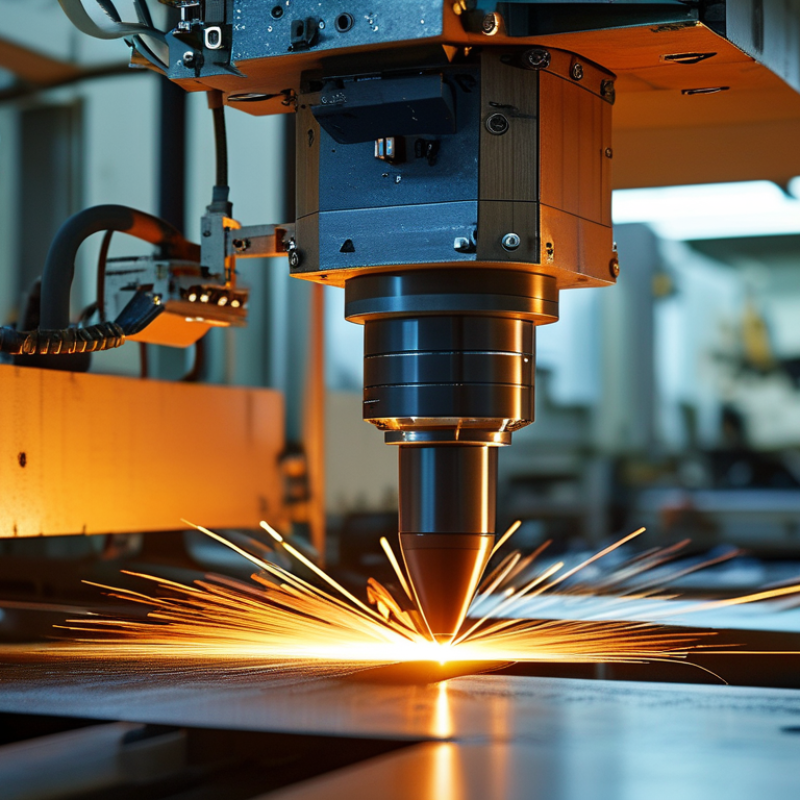
Laser Direct Imaging (LDI) technology is reshaping the manufacturing landscape. It offers precise imaging directly onto the substrate, which greatly enhances the efficiency of production. Traditional photolithography methods often involve multiple steps, leading to increased costs and longer lead times. Recent studies indicate that LDI can improve production speed by up to 50%. This technology reduces the need for photomasks, which often drive up costs and complicate production workflows.
Manufacturers using LDI benefit from improved accuracy as well. The process minimizes the risk of defects, ensuring high-quality outputs. A report by the Institute for Electronics and Electrical Engineers highlights a 90% reduction in registration errors with LDI compared to traditional methods. This translates into higher yields and less wasted material.
Adopting LDI does require careful consideration. It may involve a substantial initial investment in new equipment. However, the long-term savings and efficiency gains can justify the expense. Manufacturers should evaluate their specific needs and the LDI system's capabilities before transitioning. Enhanced training for operators can also optimize the benefits of this technology. Striking the right balance between initial costs and operational efficiency is key for a successful transition to this innovative manufacturing process.
Laser Direct Imaging (LDI) has transformed the landscape of PCB production. This technology enhances precision and accuracy, which are vital for manufacturing reliable electronics. LDI allows manufacturers to create intricate designs with unparalleled detail. The process eliminates the need for traditional photographic methods, which often introduce errors. As a result, the end products are of higher quality.
By using laser imaging, manufacturers can achieve tighter tolerances. This precision reduces the chance of defects in the circuitry, directly impacting product performance. Moreover, it supports faster design iterations. Designers can test modifications more efficiently, leading to accelerated innovation. However, the reliance on advanced technology requires constant learning and adaptation.
Not all manufacturers have adapted to this shift. Some might cling to older methods due to comfort or cost concerns. This can limit their competitive edge. As the industry evolves, staying informed about innovations like LDI becomes essential. Embracing change is crucial for growth in the high-stakes arena of electronics.
Laser Direct Imaging (LDI) presents a transformative way for manufacturers to enhance efficiency. By replacing traditional imaging processes, LDI drastically cuts production time. This technology delivers precise images directly onto substrates, eliminating several steps in the manufacturing workflow. Consequently, manufacturers can respond more swiftly to market demands.
With reduced production costs, companies are shifting to LDI. This approach minimizes waste, as it uses fewer materials and resources. While initial investment in LDI technology can be significant, the long-term savings make it worthwhile. Manufacturers not only save money but also increase their competitiveness in the market.
When adopting LDI, consider the specific needs of your production line. Not every system works for every manufacturer. Investigate the compatibility with your existing processes. Reviewing past projects can offer insights into potential hurdles. Ensuring team training before implementation can prevent mistakes and setbacks. Embracing LDI requires careful planning and adaptation, but the benefits can be significant.
Laser Direct Imaging (LDI) offers notable environmental advantages for manufacturers. This technique streamlines the production process, reducing the use of hazardous materials. Traditional photolithography often requires chemical solvents for developing masks. In contrast, LDI minimizes or eliminates these solvents, resulting in less hazardous waste. This reduction not only promotes a safer workplace but also encourages compliance with environmental regulations.
The energy efficiency of LDI is another significant benefit. The technology uses lasers to directly write patterns onto substrates, which lowers power consumption compared to conventional methods. By minimizing energy use, manufacturers can reduce their carbon footprint. Moreover, LDI operates at a more efficient speed, decreasing the time required for production runs. This efficiency leads to less waste generated from failed or defective products, contributing to a greener manufacturing landscape.
Another aspect to consider is the adaptation of LDI techniques in recycling efforts. By utilizing advanced imaging systems, manufacturers can reclaim materials better. This practice not only conserves resources but also fosters a circular economy within the production cycle. However, transitioning to LDI can present challenges. Existing systems may need updates or retraining for staff. Despite these hurdles, the potential benefits for the environment make LDI a compelling choice for modern manufacturers.
Laser Direct Imaging (LDI) significantly enhances design flexibility for manufacturers. This technology allows precise patterning without the need for traditional photomasks. As a result, manufacturers can produce intricate designs with unmatched accuracy. This directly impacts the customization options available, enabling unique and complex product designs that cater to specific consumer demands.
Moreover, LDI reduces lead times in production. This means designers can quickly iterate on their ideas and get products to market faster. Customization becomes not just possible, but practical. However, implementing this technology requires significant investment and a learning curve. Manufacturers must be prepared to adapt their workflows. Balancing speed and quality can be challenging, but the potential gains are remarkable.
Additionally, LDI promotes sustainable practices by minimizing waste material. As designs become more efficient, manufacturers can reduce their environmental footprint. Yet, this shift must be managed carefully. Transitioning to a new technology can disrupt established processes. It’s crucial for manufacturers to assess their readiness for such changes before fully committing. Continuous improvement is necessary as they embrace this innovative approach.



„Thanks to the LUVIR technology, the solder resist process could be switched directly from the previously used mask exposure to direct exposure. As an outstanding digital solution on the market, this technology has been able to demonstrate fast process times and superior quality on our certified conventional ink in production. This allowed us to fully digitize the solder mask process at low cost – without process or ink adjustments. An excellent benefit to our production in Rot am See.“
Ralf Göhringer (Head of Production WE Rot am See)
I would definitely recommend the Limata machine and team for a future company purchase
Michael Greenaway
Compunetics Inc.
“The Limata ldi has been amazing!! Best thing we did was buy this machine”
Richard Brady
GM
Circuitlabs
“Since 2019, we have been running the Limata X1000 LDI system (including LUVIR for solder mask imaging) in daily production as an addition to our current process with film. The machine was capable of properly exposing Taiyo PSR-4000 BN (DI) solder mask types on normal to high-copper boards using a new and unique direct imaging process. The machine operating interface is very user friendly which allowed for a quick technical training curve. The pre-registration processing reduced several seconds of production time at every print. Limata support and service staff is incomparable. They supported our team every step of the way at basically any time of the day or night, with literally, an immediate response time, customizing the software interface to best fit our Operations and needs.
We have exposed more than 8,000 prints since end of October, on various solder mask colors and some resist film panels. Limata, has proven to be very capable and innovative. They are a strong contender in the industry.
We have very much enjoyed this project, and working with the team!
Thank you Limata for the continued support and being a part of our growth.”
Bill Sezate
Vice President, GM
Summit Interconnect
As a replacement to our current contact exposure process with film, the LIMATA X2000 system including LUVIR-Technology was capable of properly exposing non-LDI solder mask types using a direct imaging process. The machine offers cutting edge software with a very intuitive operating interface which allowed for quick technician training curve. The dual drawer system combined with pre-registration processing reduced several seconds of production time at every machine cycle. Limata support and service staff is world class. They added software patches to keep production running at shortest possible response times, customized the software interface to best fit our in-house Operations system, and even wrote a step-by-step machine processing manual. As a result of the project, we have exposed more than 16,000 times on various product types and solder mask brands/colors. Limata, in a very short timeframe as a company, has definitely shown they are truly innovative and will be challenging the industry of direct imaging for the top spot.
Kevin Beattie
Process Engineer
TTM Technologies
Forest Grove Division
