Oil Immersed Transformers (OITs) have become vital in modern electrical systems. According to recent industry reports, the global transformer market is expected to reach USD 35 billion by 2025. OITs play a crucial role in this growth due to their efficiency and reliability. The insulation properties of oil contribute significantly to the performance of these transformers.
Considerable evidence supports the benefits of oil immersion. They operate at lower temperatures, which can enhance lifespan. In fact, studies show that OITs can last up to 30 years with proper maintenance. The cost-effectiveness of these transformers is notable, as they require less frequent maintenance. Their enhanced thermal performance can lead to reduced energy losses, contributing to a greener environment.
However, it’s essential to evaluate the challenges associated with OITs. For instance, while they are generally efficient, oil leaks and maintenance can introduce risks. Potential environmental impacts must be considered. Buyers should weigh these aspects carefully, balancing the numerous benefits against possible drawbacks. Understanding Oil Immersed Transformers can lead to more informed purchasing decisions in a rapidly evolving market.
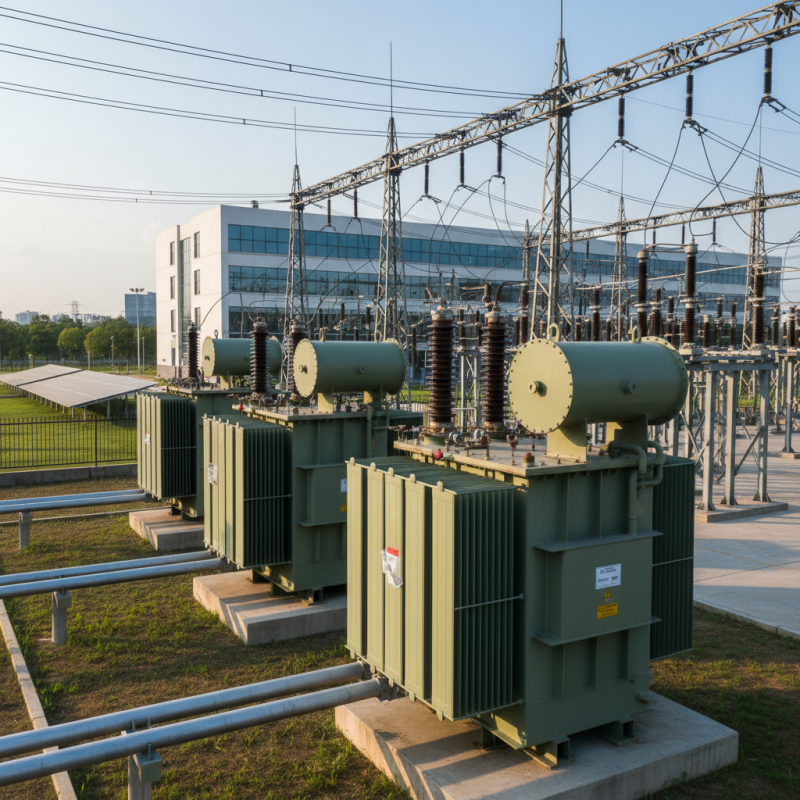
Oil immersed transformers offer significant advantages for industrial applications. Their design allows for efficient heat dissipation. This capability leads to improved performance and reliability. Industries benefit from enhanced energy efficiency, reducing overall operational costs. Oil serves not only as an insulation medium but also as a cooling agent. This dual function is crucial in high-load situations.
Maintenance is another area where these transformers excel. The oil provides protection against environmental factors. This feature prolongs the lifespan of the transformer. Regular diagnostics can detect issues early, preventing costly failures. Power fluctuations are less likely to cause damage, thanks to the oil barrier.
While oil immersed transformers have clear benefits, they come with challenges. For instance, handling and storage of oil requires safety precautions. Environmental concerns also arise regarding potential leaks. End-users must reflect on these aspects before deployment. Proper training and preparation can mitigate risks associated with these factors.
Oil immersed transformers are essential for efficient energy management. Their design allows for enhanced cooling efficiency, which is crucial in preventing overheating. The oil inside the transformer plays a significant role. It absorbs and dissipates heat generated during operation.
This cooling method improves the performance and longevity of the transformer. The oil ensures uniform temperature distribution. As heat is effectively managed, the risk of electrical failure decreases. This not only protects the transformer but also enhances its reliability. Proper cooling helps maintain optimal functioning even under heavy loads.
Despite their advantages, oil immersed transformers are not without issues. Oil quality can degrade over time, impacting cooling efficiency. Regular maintenance is essential to monitor oil condition. Buyers must consider these factors to maximize performance. It's vital to balance benefits with potential challenges.
Oil immersed transformers offer several advantages, particularly in terms of electrical insulation properties. The insulating oil used in these transformers significantly enhances performance. This oil creates a barrier against electrical discharges, thereby reducing the risk of failures. According to industry reports, oil immersion can boost insulation strength by up to 40% compared to dry-type transformers.
The dielectric properties of oil allow for better heat dissipation. This results in improved cooling efficiency, promoting longevity. A study highlights that oil immersed transformers can operate effectively in varying temperatures, maintaining insulation integrity. However, relying solely on oil for insulation can lead to issues like degradation over time. Regular maintenance and monitoring are essential to counteract potential risks.
Moreover, environmental factors play a role in insulation performance. Oil can absorb moisture, which weakens dielectric strength. It's crucial to use high-quality, non-toxic oil to mitigate these concerns. As global buyers evaluate options, understanding these nuances helps optimize their investment. Addressing vulnerabilities in oil immersion systems will ensure reliable operations for years to come.
Oil immersed transformers have gained popularity due to their longevity and maintenance benefits. These transformers operate in a mineral oil-filled tank, which provides insulation and cooling. The oil absorbs heat from internal components effectively, extending the lifespan of the transformer. Manufacturers often report lifespans of around 30 years or more if properly maintained. This durability makes them a wise choice for buyers seeking long-term reliability.
Routine maintenance is essential but can be less demanding with oil immersed units. The oil itself helps reduce oxidation and provides a barrier against moisture. However, periodic checks for leaks and contamination are necessary. Some operators may overlook these steps, leading to potential issues. Choosing to prioritize maintenance can prevent unexpected downtimes. Additionally, these transformers can be designed for easy access, allowing for efficient servicing.
Despite their advantages, these transformers do have drawbacks. Oil disposal and potential environmental impact are concerns. Buyers must weigh these factors carefully. Still, the benefits of longer operational life often outweigh the risks when handled correctly. Making an informed choice requires understanding both sides of the equation.
Oil immersed transformers play a significant role in promoting sustainability in energy systems. Their design allows for optimal cooling and efficient operation, reducing energy waste. As global energy demands rise, this technology offers a streamlined way to balance loads without excessive environmental impact. The cooling oil used in these transformers can often be upgraded to more biodegradable options, reducing the risk of environmental contamination.
Additionally, oil immersed transformers are known for their longevity. Many can last for decades with proper maintenance, which makes them a sustainable choice in the long term. Their durability means fewer resources are needed for replacements. However, one must reflect on the environmental implications when considering oil spills during operation or maintenance. It is crucial for manufacturers and operators to ensure stringent safety protocols are in place.
The lifecycle of oil immersed transformers also warrants consideration. From production to disposal, each stage has potential environmental impacts. Developing strategies for recycling and safe disposal can enhance their overall sustainability. It's vital for industry professionals to engage in ongoing education about best practices, ensuring they are making informed decisions. In a rapidly changing world, active reflection on these factors is essential for progress.
„Thanks to the LUVIR technology, the solder resist process could be switched directly from the previously used mask exposure to direct exposure. As an outstanding digital solution on the market, this technology has been able to demonstrate fast process times and superior quality on our certified conventional ink in production. This allowed us to fully digitize the solder mask process at low cost – without process or ink adjustments. An excellent benefit to our production in Rot am See.“
Ralf Göhringer (Head of Production WE Rot am See)
I would definitely recommend the Limata machine and team for a future company purchase
Michael Greenaway
Compunetics Inc.
“The Limata ldi has been amazing!! Best thing we did was buy this machine”
Richard Brady
GM
Circuitlabs
“Since 2019, we have been running the Limata X1000 LDI system (including LUVIR for solder mask imaging) in daily production as an addition to our current process with film. The machine was capable of properly exposing Taiyo PSR-4000 BN (DI) solder mask types on normal to high-copper boards using a new and unique direct imaging process. The machine operating interface is very user friendly which allowed for a quick technical training curve. The pre-registration processing reduced several seconds of production time at every print. Limata support and service staff is incomparable. They supported our team every step of the way at basically any time of the day or night, with literally, an immediate response time, customizing the software interface to best fit our Operations and needs.
We have exposed more than 8,000 prints since end of October, on various solder mask colors and some resist film panels. Limata, has proven to be very capable and innovative. They are a strong contender in the industry.
We have very much enjoyed this project, and working with the team!
Thank you Limata for the continued support and being a part of our growth.”
Bill Sezate
Vice President, GM
Summit Interconnect
As a replacement to our current contact exposure process with film, the LIMATA X2000 system including LUVIR-Technology was capable of properly exposing non-LDI solder mask types using a direct imaging process. The machine offers cutting edge software with a very intuitive operating interface which allowed for quick technician training curve. The dual drawer system combined with pre-registration processing reduced several seconds of production time at every machine cycle. Limata support and service staff is world class. They added software patches to keep production running at shortest possible response times, customized the software interface to best fit our in-house Operations system, and even wrote a step-by-step machine processing manual. As a result of the project, we have exposed more than 16,000 times on various product types and solder mask brands/colors. Limata, in a very short timeframe as a company, has definitely shown they are truly innovative and will be challenging the industry of direct imaging for the top spot.
Kevin Beattie
Process Engineer
TTM Technologies
Forest Grove Division
