In today's global market, the demand for durable and efficient sealing solutions is on the rise. According to a report by Smithers Pira, the global rubber seal market is projected to reach a worth of $26 billion by 2025. This growth highlights the increasing reliance on various industries for effective sealing materials. Rubber seals are vital components in applications ranging from automotive to aerospace, ensuring performance and reliability.
Understanding the benefits of rubber seals can serve as a decisive factor for international buyers. These seals are known for their flexibility, resilience, and ability to withstand a variety of environmental conditions. Their ability to retain shape under pressure also contributes to their effectiveness in preventing leaks, which is crucial in maintaining operational efficiency. However, not all rubber seals are created equal, and selecting the right type requires careful consideration of specific application needs.
While the advantages of rubber seals are clear, challenges such as sourcing quality materials persist. Buyers must navigate complexities in manufacturing standards and certifications to ensure product reliability. Thorough research and insight into market trends are necessary for making informed decisions. The value of rubber seals lies not only in their function but also in the assurance they bring to various industrial applications.
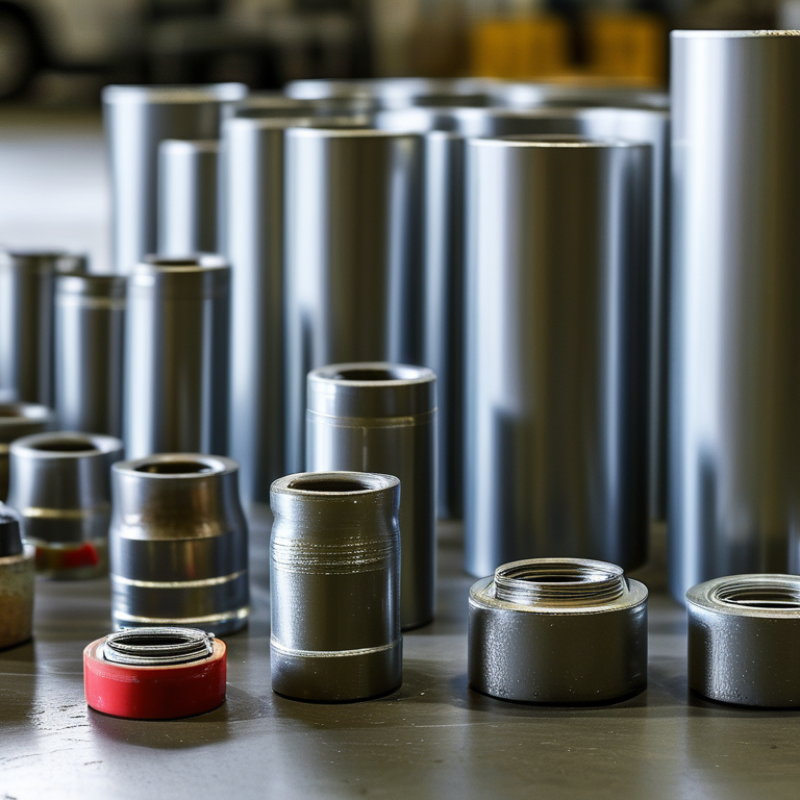
Rubber seals play a crucial role across various industries. They offer flexibility and durability in harsh environments. For the automotive sector, rubber seals ensure proper sealing against water and dust. This enhances the longevity of vehicles and reduces maintenance costs. In industrial applications, they prevent leaks in machinery, promoting efficiency and safety.
In the food and beverage industry, rubber seals maintain hygiene standards. They prevent contamination by creating airtight environments. These seals withstand temperature variations, making them suitable for refrigeration and cooking processes. However, selecting the right rubber material is essential. Not all seals can handle aggressive cleaning chemicals and temperatures.
Construction and plumbing sectors also rely on rubber seals. They provide essential insulation and prevent water leakage, which can cause major structural damage. Yet, improper installation can lead to failures. Regular checks and replacements are necessary to ensure reliability. Understanding the specific needs of each application can improve overall performance.
Rubber seals offer impressive cost-effectiveness for global buyers. Their durability significantly reduces the need for frequent replacements. This leads to lower maintenance costs, saving businesses valuable resources. A reliable rubber seal can last for years, providing excellent long-term value.
Investing in high-quality rubber seals improves overall operational efficiency. They prevent leaks and protect mechanical components. This minimizes downtime and enhances productivity. Buyers should consider the total cost of ownership, rather than just the initial purchase price.
Tips for selecting rubber seals: always check compatibility with your environment. Different materials respond differently to temperature and chemicals. A well-chosen seal prolongs equipment life. Regular inspections can prevent unexpected failures. Establish a maintenance schedule to ensure your seals are still performing optimally.
| Benefit | Description | Cost-Effectiveness |
|---|---|---|
| Durability | Rubber seals are resistant to wear and tear, ensuring a long lifespan. | Minimized replacement costs due to long durability. |
| Flexibility | Adaptable to various shapes and sizes, providing a tight fit. | Reduced need for multiple seal types, saving money. |
| Chemical Resistance | Resistant to many chemicals, oils, and solvents. | Lower costs related to chemical damage and replacements. |
| Weather Resistance | Withstand harsh weather conditions, UV exposure, and temperature fluctuations. | Fewer repairs and replacements due to external factors. |
| Cost Efficiency | Affordable compared to other sealing materials. | Lower initial investment means more value for money. |
| Noise Reduction | Effective at dampening sound and vibrations. | Potential savings on noise control modifications. |
| Ease of Installation | Simple to install, reducing labor costs. | Saves time and labor during installation. |
| Customizability | Can be manufactured to specific requirements and dimensions. | Reduces waste and increases efficiency in production. |
| Hygiene | Non-porous surfaces prevent dirt accumulation. | Lower cleaning and maintenance costs over time. |
| Environmental Resistance | Resistant to moisture and aging, suitable for various environments. | Fewer replacements mean lower environmental impact and costs. |
When considering rubber seals, their durability and longevity stand out in various environments. Rubber materials can withstand extreme temperatures, from freezing cold to scorching heat. This versatility makes rubber seals suitable for industries ranging from automotive to aerospace. They maintain their integrity under pressure and resist weathering, making them a reliable choice.
In humid conditions, rubber seals excel in preventing leaks. They can adapt to changes in pressure and temperature without losing their sealing capabilities. However, not all rubber is created equal. For optimal performance, it’s crucial to choose the right type of rubber for specific environmental conditions. Different formulations may yield varying results, leading to potential conflicts in expected performance.
Under harsh chemicals or abrasive materials, rubber seals may degrade faster. It's essential to understand the environment before finalizing decisions. Regular maintenance can also help extend the lifespan of rubber seals. A proactive approach to monitoring rubber seals can prevent unexpected failures. This consideration is vital for ensuring consistent performance across diverse applications.
Rubber seals are essential in various industries due to their versatility and effectiveness. Their customizability allows manufacturers to tailor seals according to specific application needs. According to a report by MarketsandMarkets, the global rubber seal market is expected to reach USD 58.6 billion by 2025, driven by the demand for customized solutions. This adaptability makes rubber seals a preferred choice for diverse sectors such as automotive and aerospace.
Custom options can range from size variations to specialized materials. Buyers can choose seals with specific hardness levels, thickness, or chemical resistance. For instance, a company may require seals that withstand extreme temperatures. Offering various blends like silicone or EPDM provides flexibility. A recent survey by Grand View Research highlighted that 72% of buyers prioritize custom solutions over standard options. This trend underscores how adaptability enhances business efficiency and product reliability.
However, not all custom seals perform equally. Buyers must reflect on their requirements and the seal’s operational environment. Cost considerations often lead to a compromise between quality and price. Ensuring long-lasting performance requires careful selection. Industry experts recommend a rigorous evaluation process before finalizing custom designs. Such diligence minimizes future failures and maximizes operational effectiveness.
Rubber seals play a crucial role in reducing environmental impact during manufacturing. They serve as essential components in various industrial applications, ensuring energy efficiency and sustainability. According to recent studies, incorporating rubber seals can decrease energy consumption by up to 30% in specific processes. This reduction translates into lower greenhouse gas emissions, contributing to a cleaner environment.
Using high-quality rubber seals can also minimize waste. Decreased product leaks lead to fewer material losses. Reports suggest that proper sealing can reduce waste generation in production processes by 15% or more. This waste reduction not only benefits the environment but also enhances a company's bottom line.
Despite these advantages, it’s essential to consider the lifecycle of rubber products. While they provide immediate benefits, the environmental impact of rubber production, disposal, and recycling is complex. Buyers must reflect on sourcing and end-of-life scenarios. Sustainable practices are imperative to truly harness the environmental benefits of rubber seals. Pursuing eco-friendly options ensures that both production efficiency and ecological integrity are maintained.
„Thanks to the LUVIR technology, the solder resist process could be switched directly from the previously used mask exposure to direct exposure. As an outstanding digital solution on the market, this technology has been able to demonstrate fast process times and superior quality on our certified conventional ink in production. This allowed us to fully digitize the solder mask process at low cost – without process or ink adjustments. An excellent benefit to our production in Rot am See.“
Ralf Göhringer (Head of Production WE Rot am See)
I would definitely recommend the Limata machine and team for a future company purchase
Michael Greenaway
Compunetics Inc.
“The Limata ldi has been amazing!! Best thing we did was buy this machine”
Richard Brady
GM
Circuitlabs
“Since 2019, we have been running the Limata X1000 LDI system (including LUVIR for solder mask imaging) in daily production as an addition to our current process with film. The machine was capable of properly exposing Taiyo PSR-4000 BN (DI) solder mask types on normal to high-copper boards using a new and unique direct imaging process. The machine operating interface is very user friendly which allowed for a quick technical training curve. The pre-registration processing reduced several seconds of production time at every print. Limata support and service staff is incomparable. They supported our team every step of the way at basically any time of the day or night, with literally, an immediate response time, customizing the software interface to best fit our Operations and needs.
We have exposed more than 8,000 prints since end of October, on various solder mask colors and some resist film panels. Limata, has proven to be very capable and innovative. They are a strong contender in the industry.
We have very much enjoyed this project, and working with the team!
Thank you Limata for the continued support and being a part of our growth.”
Bill Sezate
Vice President, GM
Summit Interconnect
As a replacement to our current contact exposure process with film, the LIMATA X2000 system including LUVIR-Technology was capable of properly exposing non-LDI solder mask types using a direct imaging process. The machine offers cutting edge software with a very intuitive operating interface which allowed for quick technician training curve. The dual drawer system combined with pre-registration processing reduced several seconds of production time at every machine cycle. Limata support and service staff is world class. They added software patches to keep production running at shortest possible response times, customized the software interface to best fit our in-house Operations system, and even wrote a step-by-step machine processing manual. As a result of the project, we have exposed more than 16,000 times on various product types and solder mask brands/colors. Limata, in a very short timeframe as a company, has definitely shown they are truly innovative and will be challenging the industry of direct imaging for the top spot.
Kevin Beattie
Process Engineer
TTM Technologies
Forest Grove Division
