Seamless pipes are gaining immense popularity among global buyers for various reasons. John Smith, a renowned expert in the steel industry, stated, “Seamless pipes offer unmatched durability and reliability.” These characteristics make them ideal for high-pressure applications, such as oil and gas pipelines. The absence of welded seams in seamless pipes enhances their structural integrity, reducing the risk of leaks.
Moreover, seamless pipes exhibit superior resistance to corrosion and stress. This is essential for industries operating in harsh environments. When selecting materials, buyers should consider these benefits seriously. However, not all seamless pipes are created equal. Variations in manufacturing processes can impact quality. For buyers, understanding these nuances is crucial to making informed decisions.
Benefits extend beyond just physical properties. Seamless pipes also facilitate better flow rates, improving overall efficiency. They often require less maintenance over time. However, the initial investment is usually higher compared to welded pipes. This cost factor needs careful consideration. As the market evolves, transparency in sourcing seamless pipes will become indispensable for buyers.
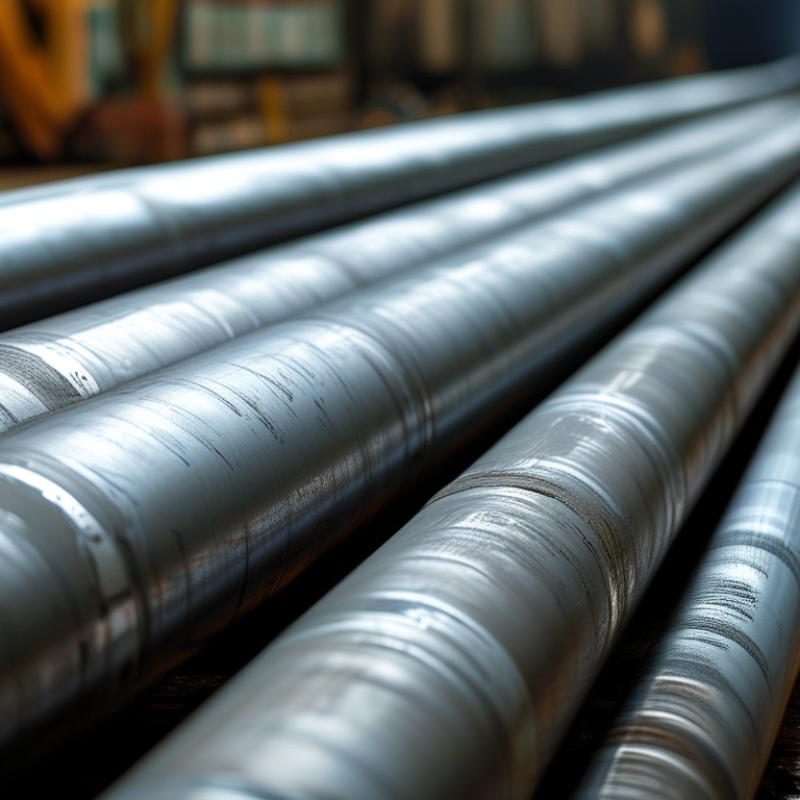
Seamless pipes offer several advantages across various industries, making them popular among global buyers. One significant benefit is their enhanced durability. Without welded joints, seamless pipes are less prone to failure under pressure. This is crucial for industries like oil and gas, where safety is paramount. They withstand extreme temperatures and corrosive environments, extending service life significantly.
In construction and manufacturing, seamless pipes excel due to their precise dimensions and uniformity. This reduces the need for additional processing and enhances efficiency during assembly. Moreover, industries dealing with high flow rates benefit from the smooth internal surface of seamless pipes, promoting better fluid dynamics and reducing energy costs. Notably, seamless pipes are also lighter, which can lower shipping expenses and ease handling on site.
Tips for selecting the right seamless pipe include evaluating the specific demands of your project. Consider factors like pressure ratings and temperature ranges. It’s wise to consult with industry professionals to ensure you choose a product that matches your application. Regular inspections and maintenance are essential to maintaining pipe integrity over time. Considering these aspects can lead to better decision-making and improved performance in your projects.
Seamless pipes offer significant benefits for global buyers, especially in terms of enhanced durability and reliability. Unlike welded pipes, seamless pipes are manufactured from a solid block of metal, eliminating any joints that can weaken the structure. According to a recent industry report by the American Institute of Steel Construction, seamless pipes have been shown to withstand higher pressures. This is vital in sectors like oil and gas, where failure can result in severe financial losses and safety hazards.
The production process of seamless pipes creates a more uniform microstructure, which contributes to their superior strength and resilience. A study published in the Journal of Material Science highlights that seamless pipes can endure extreme temperatures and corrosive environments. This makes them ideal for applications ranging from petrochemical plants to water transportation systems.
However, the cost of seamless pipes can be higher due to their manufacturing process. Some buyers may hesitate, considering alternatives like welded pipes. Yet, the long-term benefits of seamless pipes often outweigh the initial investment. Their longevity can reduce maintenance costs and improve operational efficiency. These factors are crucial as industries move towards more sustainable practices. Data from the International Energy Agency estimates that operational inefficiencies in piping systems can lead to losses of up to 30%. Hence, seamless pipes are not just a choice; they are a strategic investment in reliability.
Seamless pipes offer significant cost-effectiveness for global buyers in various industries. According to a recent market analysis, seamless pipes often reduce manufacturing costs by up to 20% compared to welded alternatives. This saving is primarily due to the efficiency of the production process, which eliminates the need for additional welding and jointing. Seamless pipes also tend to have a longer lifespan. Reports indicate that they can outlast welded pipes by 30% or more, resulting in lower replacement and maintenance costs over time.
Moreover, the demand for seamless pipes is growing, driven by industries like oil and gas, construction, and manufacturing. A study by a reputable industry group projected a compound annual growth rate (CAGR) of 4.5% for seamless pipe demand over the next five years. Despite these benefits, buyers must navigate challenges, such as supply chain disruptions and fluctuating raw material costs. Understanding these factors is crucial for informed procurement. Global buyers should also consider local market conditions, as logistics can impact final costs.
Investing in seamless pipes is not without risks. The initial costs may be higher depending on the supplier's location and pricing strategies. However, the long-term benefits often justify the investment. Buyers need to weigh the upfront expenses against potential savings in maintenance and durability. Informed decisions can lead to better financial outcomes and operational efficiencies in the long run.
Seamless pipes play a crucial role in reducing maintenance costs across various industries. These pipes, manufactured without joints or welds, provide superior strength and durability. As a result, they can withstand high-pressure environments and corrosive substances. This durability means fewer replacements, translating into substantial savings over time.
Moreover, seamless pipes require less frequent maintenance. With joints eliminated, there are fewer points of potential failure. Regular inspections can often be less intensive. Workers can focus on other aspects of the operation, optimizing overall efficiency. This simplicity in maintenance allows companies to allocate resources more effectively.
However, it’s important to consider the initial investment in seamless pipes. They may come at a higher price point compared to welded alternatives. Still, weighing this cost against long-term savings is essential. Organizations should evaluate their specific needs and projected lifespans. Balancing short-term expenses with long-term benefits can lead to sound decisions. Exploring the advantages and challenges of seamless pipes is vital for informed purchasing.
The use of seamless pipes in construction presents notable environmental benefits. Research from the International Energy Agency indicates that seamless pipes require less energy to produce compared to welded pipes. This reduction in energy consumption directly lowers carbon emissions during manufacturing. For example, seamless pipes contribute to a decrease in lifecycle greenhouse gas emissions by approximately 25%.
Additionally, seamless pipes are renowned for their durability and longevity, which leads to fewer replacements over time. Industry studies reveal that these pipes can last up to 50 years or more under optimal conditions. This longevity means fewer raw materials are needed, which helps reduce waste in landfills. Furthermore, seamless pipes often have better resistance to corrosion, extending their lifespan even further.
The environmental footprint of using seamless pipes is enhanced by their efficiency in use. They often require less maintenance, resulting in lower resource use throughout a project's life cycle. As construction continues to evolve and environmental regulations tighten, the shift towards materials like seamless pipes reflects a growing commitment to sustainable building practices. While challenges remain in sourcing and manufacturing, the focus on eco-friendly materials is increasingly critical for the construction industry.
„Thanks to the LUVIR technology, the solder resist process could be switched directly from the previously used mask exposure to direct exposure. As an outstanding digital solution on the market, this technology has been able to demonstrate fast process times and superior quality on our certified conventional ink in production. This allowed us to fully digitize the solder mask process at low cost – without process or ink adjustments. An excellent benefit to our production in Rot am See.“
Ralf Göhringer (Head of Production WE Rot am See)
I would definitely recommend the Limata machine and team for a future company purchase
Michael Greenaway
Compunetics Inc.
“The Limata ldi has been amazing!! Best thing we did was buy this machine”
Richard Brady
GM
Circuitlabs
“Since 2019, we have been running the Limata X1000 LDI system (including LUVIR for solder mask imaging) in daily production as an addition to our current process with film. The machine was capable of properly exposing Taiyo PSR-4000 BN (DI) solder mask types on normal to high-copper boards using a new and unique direct imaging process. The machine operating interface is very user friendly which allowed for a quick technical training curve. The pre-registration processing reduced several seconds of production time at every print. Limata support and service staff is incomparable. They supported our team every step of the way at basically any time of the day or night, with literally, an immediate response time, customizing the software interface to best fit our Operations and needs.
We have exposed more than 8,000 prints since end of October, on various solder mask colors and some resist film panels. Limata, has proven to be very capable and innovative. They are a strong contender in the industry.
We have very much enjoyed this project, and working with the team!
Thank you Limata for the continued support and being a part of our growth.”
Bill Sezate
Vice President, GM
Summit Interconnect
As a replacement to our current contact exposure process with film, the LIMATA X2000 system including LUVIR-Technology was capable of properly exposing non-LDI solder mask types using a direct imaging process. The machine offers cutting edge software with a very intuitive operating interface which allowed for quick technician training curve. The dual drawer system combined with pre-registration processing reduced several seconds of production time at every machine cycle. Limata support and service staff is world class. They added software patches to keep production running at shortest possible response times, customized the software interface to best fit our in-house Operations system, and even wrote a step-by-step machine processing manual. As a result of the project, we have exposed more than 16,000 times on various product types and solder mask brands/colors. Limata, in a very short timeframe as a company, has definitely shown they are truly innovative and will be challenging the industry of direct imaging for the top spot.
Kevin Beattie
Process Engineer
TTM Technologies
Forest Grove Division
