sliding rollers are essential tools in various industries. They provide numerous benefits that enhance efficiency and productivity. With their unique design, sliding rollers allow for smooth movement, reducing friction and wear on surfaces. This is particularly valuable in manufacturing and logistics, where heavy loads are common.
Using sliding rollers can significantly improve workflow. They enable unparalleled mobility for heavy equipment and materials. For example, moving a large piece of machinery becomes easier and safer. However, one must also consider factors like maintenance and proper alignment. Neglecting these aspects can lead to inefficiencies.
Moreover, sliding rollers can extend the lifespan of equipment. They reduce strain and fatigue on machinery. In some cases, however, the initial investment may deter users. Balancing costs with long-term gains remains a challenge. Overall, the advantages of sliding rollers outweigh the drawbacks when implemented thoughtfully.
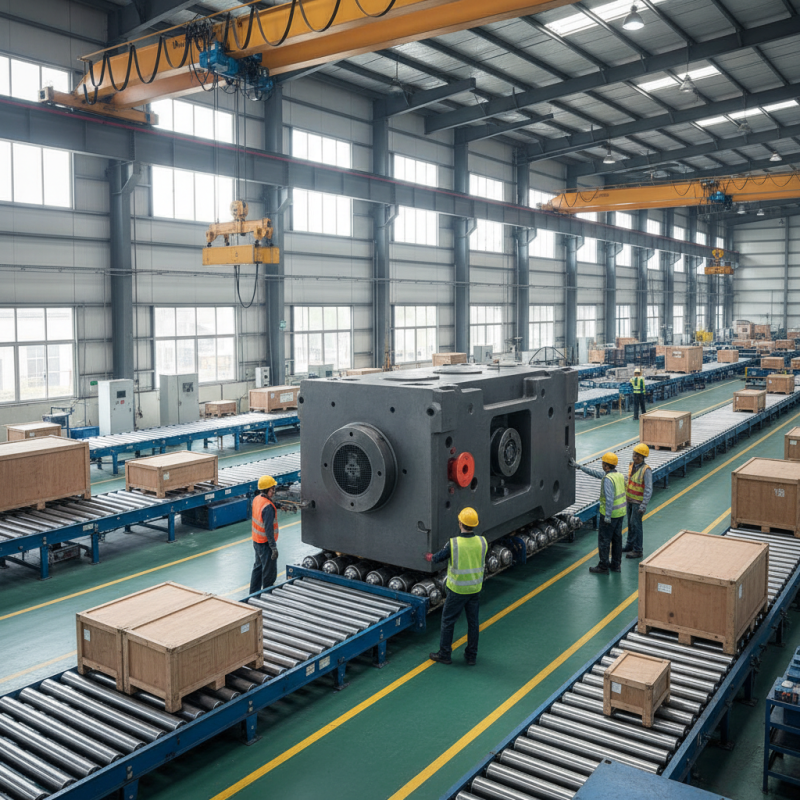
Sliding rollers serve as essential components in various applications. Their main function is to facilitate smooth movement. Typically made from durable materials, they reduce friction between surfaces. In manufacturing and logistics, the demand for efficiency drives the adoption of sliding rollers.
According to industry reports, sliding rollers can enhance operational efficiency by up to 30%. This is a significant improvement in environments such as warehouses or assembly lines. The ease of movement they provide allows for quicker handling of materials. It’s not just about speed; safety increases too. With less friction, the chances of equipment wear and tear diminish.
Tips: Regular maintenance of sliding rollers is crucial. Small adjustments can prevent bigger issues. Always inspect for dirt buildup, as it can drastically reduce performance.
Choosing the right sliding roller is not always straightforward. Different materials and designs exist for specific applications. It's important to assess the environment where rollers will be used. The wrong choice may lead to inefficiencies or even equipment failure. Reflect on your operational needs before making decisions on sliding rollers.
| Benefit | Description | Applications |
|---|---|---|
| Reduced Friction | Sliding rollers minimize resistance between surfaces, enhancing movement. | Conveyor systems, furniture sliders |
| Increased Mobility | Facilitates easy movement of heavy objects without strain. | Industrial machinery, portable tools |
| Noise Reduction | Lower noise levels during operation compared to traditional methods. | Home appliances, furniture |
| Durability | Long-lasting performance with minimal wear and maintenance. | Automotive applications, heavy equipment |
| Versatility | Suitable for a wide range of applications across various industries. | Manufacturing, shipping and logistics |
Sliding rollers offer substantial advantages across various applications. Their design reduces friction, enabling smooth movement for heavy objects. This is particularly useful in industrial settings. For instance, when large machinery needs to be moved, sliding rollers facilitate this process, saving time and effort. The lower resistance allows for a more efficient operation.
When using sliding rollers, consider the surface quality. A rough surface can cause wear and tear on the rollers. Regular maintenance is key to ensuring longevity. It's also crucial to choose the right size of roller for your application. Using rollers that are too small may lead to instability.
Remember that these rollers can also reduce noise levels during operations. This is valuable in environments where noise pollution is a concern. However, their performance can diminish if not used correctly. A thoughtful approach to installation can lead to better outcomes.
Sliding rollers have become vital components in various industrial applications. Their design significantly reduces friction between moving parts. The result is improved efficiency across machinery. Research shows that reducing friction by just 30% can enhance energy efficiency by up to 15%. This statistic highlights the potential for cost savings and increased productivity.
In addition to efficiency gains, sliding rollers can extend the lifespan of equipment. Equipment wear often results from prolonged friction. By minimizing this, companies can potentially save thousands on maintenance costs. A report indicated that maintenance can account for 20% of total operating costs. The efficient operation of sliding rollers can directly influence this figure, offering substantial financial benefits.
However, not all sliding rollers perform equally. Some materials may wear down faster under certain conditions. It's vital to choose the right type for specific applications. Failing to do so can lead to reduced effectiveness and unintended operational issues. A careful analysis ensures that the advantages of sliding rollers are fully realized.
Sliding rollers play a crucial role in various industries and daily applications. In manufacturing, these rollers simplify the movement of heavy components. Data shows that conveyors using sliding rollers can improve efficiency by up to 30%. These rollers reduce friction and allow for smooth transport of goods. In warehousing, sliding rollers help in easily accessing inventories.
Households also see benefits from sliding rollers. They can be found in sliding doors and window systems. Here, they enhance ease of use. According to recent studies, homes with sliding mechanisms reported a 25% reduction in wear and tear. This indicates the long-term advantages of using these rollers.
Tips: When choosing sliding rollers, consider the weight they will bear. Always check the material's durability. Inspecting regularly can prevent unexpected breakdowns. Sometimes, the rollers can face dust and debris, affecting performance. Regular maintenance is key to ensuring a smooth operation.
Sliding rollers are essential for smooth movement in various applications. To ensure they last, proper maintenance and care are crucial. Regular cleaning is one way to keep them in top condition. Dust and debris can accumulate and hinder their performance. A simple wipe down with a cloth can do wonders. However, many people forget this step and wonder why their rollers are noisy.
Another tip is to lubricate the rollers regularly. A little lubricant can reduce friction. It helps them glide smoothly. Yet, too much lubricant can attract dirt and grime, creating more problems. Be mindful of how much you apply. Checking the alignment of the rollers is also important. Misalignment can lead to premature wear. Taking time to inspect and adjust can save you from costly replacements later.
Finally, consider the environment where the sliding rollers are used. Exposure to extreme temperatures can affect their functionality. Keeping them in a controlled space may enhance their lifespan. Even simple habits like these can improve the longevity of your sliding rollers. Yet, people often overlook the basics in their busy lives. Paying attention to these details can make a significant difference.
„Thanks to the LUVIR technology, the solder resist process could be switched directly from the previously used mask exposure to direct exposure. As an outstanding digital solution on the market, this technology has been able to demonstrate fast process times and superior quality on our certified conventional ink in production. This allowed us to fully digitize the solder mask process at low cost – without process or ink adjustments. An excellent benefit to our production in Rot am See.“
Ralf Göhringer (Head of Production WE Rot am See)
I would definitely recommend the Limata machine and team for a future company purchase
Michael Greenaway
Compunetics Inc.
“The Limata ldi has been amazing!! Best thing we did was buy this machine”
Richard Brady
GM
Circuitlabs
“Since 2019, we have been running the Limata X1000 LDI system (including LUVIR for solder mask imaging) in daily production as an addition to our current process with film. The machine was capable of properly exposing Taiyo PSR-4000 BN (DI) solder mask types on normal to high-copper boards using a new and unique direct imaging process. The machine operating interface is very user friendly which allowed for a quick technical training curve. The pre-registration processing reduced several seconds of production time at every print. Limata support and service staff is incomparable. They supported our team every step of the way at basically any time of the day or night, with literally, an immediate response time, customizing the software interface to best fit our Operations and needs.
We have exposed more than 8,000 prints since end of October, on various solder mask colors and some resist film panels. Limata, has proven to be very capable and innovative. They are a strong contender in the industry.
We have very much enjoyed this project, and working with the team!
Thank you Limata for the continued support and being a part of our growth.”
Bill Sezate
Vice President, GM
Summit Interconnect
As a replacement to our current contact exposure process with film, the LIMATA X2000 system including LUVIR-Technology was capable of properly exposing non-LDI solder mask types using a direct imaging process. The machine offers cutting edge software with a very intuitive operating interface which allowed for quick technician training curve. The dual drawer system combined with pre-registration processing reduced several seconds of production time at every machine cycle. Limata support and service staff is world class. They added software patches to keep production running at shortest possible response times, customized the software interface to best fit our in-house Operations system, and even wrote a step-by-step machine processing manual. As a result of the project, we have exposed more than 16,000 times on various product types and solder mask brands/colors. Limata, in a very short timeframe as a company, has definitely shown they are truly innovative and will be challenging the industry of direct imaging for the top spot.
Kevin Beattie
Process Engineer
TTM Technologies
Forest Grove Division
