In the realm of industrial manufacturing, Alloy Steel Casting is gaining significant attention. This material combines strength and durability, making it a top choice for many applications. Buyers worldwide are now seeking the best options available for 2026.
The demand for Alloy Steel Casting continues to rise. Industries are looking for reliable sources that provide quality castings. Concerns about sourcing can impact production timelines and costs. Selecting the right supplier is critical for success.
Finding the best options involves careful consideration. Buyers should evaluate the experience and expertise of manufacturers. Researching quality certifications can also help. However, the landscape is constantly evolving. Staying updated with trends is essential to make informed decisions.
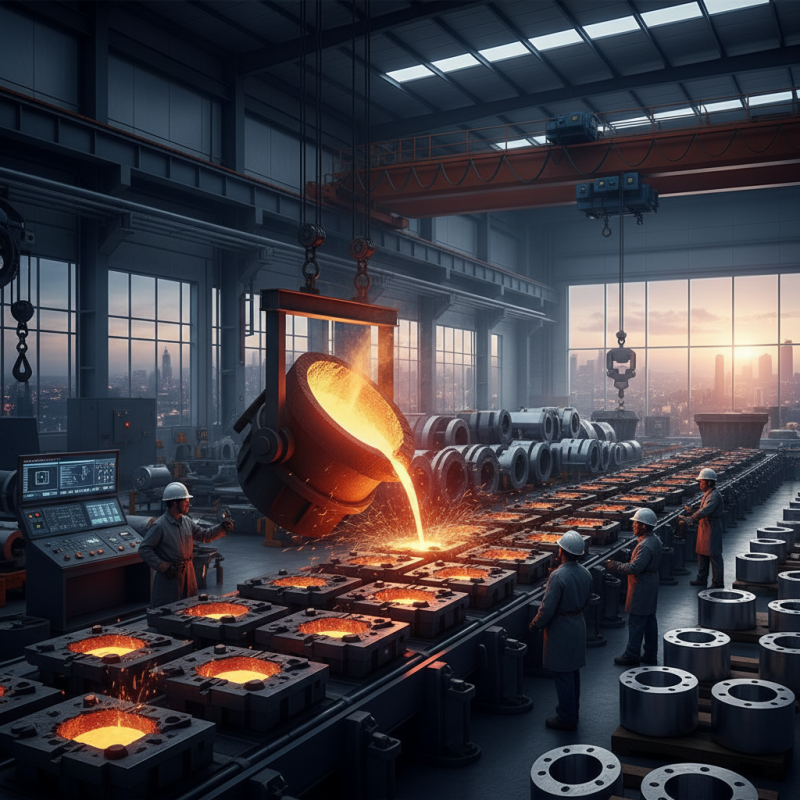
Alloy steel castings are essential in various industries. They combine strength and durability, making them ideal for heavy-duty applications. Different types of alloy steel castings exist, each offering unique properties. For instance, low-alloy steel castings provide excellent toughness. These are often used in mining and construction. Meanwhile, high-alloy steels enhance corrosion resistance. This makes them suitable for chemical processing and marine environments.
When selecting alloy steel castings, several critical factors need attention. The composition of the alloy is crucial. It directly influences strength, ductility, and corrosion resistance. A balanced mix often yields better performance. Remember that different applications demand specific properties. For example, a marine environment might require enhanced anti-corrosive characteristics.
Another important consideration is manufacturing quality. Not all foundries adhere to the same standards. Proper certification can indicate reliability and consistency. Investigate the foundry’s track record. Reviews from other clients can provide insight into performance and durability. The choice of method—sand casting, investment casting, or others—affects the final product as well. Each method has its pros and cons, impacting both cost and quality.
Cost can also be deceptive. Cheaper options may hide deficiencies in material quality or craftsmanship. Look for comprehensive quotes that break down costs. It’s essential to weigh price against performance. Sometimes, investing in a more expensive option can lead to long-term savings through reduced failures. This reflection is important in making a wise decision. Stay informed and consider these elements when navigating the alloy steel casting market.
The demand for alloy steel castings is on the rise in 2026. This increase is driven by various industries, including automotive, aerospace, and machinery. Buyers seek reliable suppliers with extensive experience in alloy steel casting. These suppliers play a crucial role in ensuring quality and performance in the final products. Their expertise in metallurgy gives them an edge.
When looking for the best suppliers, consider their reputation and manufacturing processes. A strong track record indicates reliability. Castings should meet industry standards and specifications. Checking certifications is essential for quality assurance. Some suppliers may lack transparency about their practices. It is important for buyers to dig deeper and ask questions.
Local suppliers may offer advantages in terms of logistics and communication. However, global suppliers can provide specialized services and expertise. Balancing costs with quality is a persistent challenge. Buyers need to weigh these factors carefully. Ultimately, the goal should be to establish a partnership built on trust and reliability.
Alloy steel castings find wide applications across various industries due to their exceptional strength and durability. Industries such as automotive, aerospace, and oil and gas heavily rely on these materials. In the automotive sector, for example, components like gears and crankshafts often utilize alloy steel castings to enhance performance. According to a recent report by Mordor Intelligence, the global alloy steel market is projected to grow at a CAGR of 5.2% from 2021 to 2026.
In the oil and gas industry, alloy steel castings are crucial for manufacturing drill bits and valves. The materials withstand high pressures and resist corrosion, making them ideal for harsh environments. The global need for energy continues to escalate, driving demand for reliable cast materials. The International Energy Agency noted a projected increase in oil demand by over 20% through 2040, indicating sustained growth for alloy steel applications.
However, challenges persist. Quality control issues and sourcing reliable materials can hinder production processes. The fluctuation in raw material prices adds to the uncertainty manufacturers face. As industries evolve, they must adopt better methods to ensure the integrity of alloy steel castings. Continuous improvement remains essential for thriving in this competitive landscape.
| Casting Type | Applications | Industries | Key Properties | Temperature Resistance (°C) |
|---|---|---|---|---|
| Chrome Moly Steel Castings | Oil & Gas Equipment | Energy | High tensile strength, good weldability | 400 |
| Nickel Alloy Steel Castings | Nuclear Power Components | Nuclear | Corrosion resistant, good ductility | 600 |
| Carbon Manganese Steel Castings | Construction Machinery | Construction | Tough, impact resistant | 350 |
| Stainless Steel Castings | Food Processing Equipment | Food & Beverage | Hygienic, rust-resistant | 250 |
| Spheroidal Graphite Cast Iron | Automotive Parts | Automotive | High strength-to-weight ratio | 300 |
The future of alloy steel casting technology is poised for significant advancements. With increasing demands in various industries, manufacturers are investing heavily in research and development. Innovative techniques like 3D printing and advanced metallurgy are gaining traction. These methods enhance precision and reduce material waste. However, some challenges remain in ensuring consistency and quality across different production methods.
Market demand for high-performance alloy steel continues to rise. Industries such as automotive, aerospace, and construction seek lighter and stronger materials. Buyers often face a dilemma when balancing cost and quality. The push for sustainability adds another layer of complexity. Companies strive to reduce their carbon footprint while meeting stringent performance standards. This evolution brings new opportunities, but it also requires adaptation.
Stakeholders must navigate these changes with caution. While technology improves production efficiency, it can lead to a skills gap in the workforce. Embracing continuous learning is essential to harness the full potential of new technologies. Collaboration between academia and industry can stimulate innovation. As we look ahead, the alloy steel casting landscape will undergo transformations influenced by both technological advancements and market dynamics.
„Thanks to the LUVIR technology, the solder resist process could be switched directly from the previously used mask exposure to direct exposure. As an outstanding digital solution on the market, this technology has been able to demonstrate fast process times and superior quality on our certified conventional ink in production. This allowed us to fully digitize the solder mask process at low cost – without process or ink adjustments. An excellent benefit to our production in Rot am See.“
Ralf Göhringer (Head of Production WE Rot am See)
I would definitely recommend the Limata machine and team for a future company purchase
Michael Greenaway
Compunetics Inc.
“The Limata ldi has been amazing!! Best thing we did was buy this machine”
Richard Brady
GM
Circuitlabs
“Since 2019, we have been running the Limata X1000 LDI system (including LUVIR for solder mask imaging) in daily production as an addition to our current process with film. The machine was capable of properly exposing Taiyo PSR-4000 BN (DI) solder mask types on normal to high-copper boards using a new and unique direct imaging process. The machine operating interface is very user friendly which allowed for a quick technical training curve. The pre-registration processing reduced several seconds of production time at every print. Limata support and service staff is incomparable. They supported our team every step of the way at basically any time of the day or night, with literally, an immediate response time, customizing the software interface to best fit our Operations and needs.
We have exposed more than 8,000 prints since end of October, on various solder mask colors and some resist film panels. Limata, has proven to be very capable and innovative. They are a strong contender in the industry.
We have very much enjoyed this project, and working with the team!
Thank you Limata for the continued support and being a part of our growth.”
Bill Sezate
Vice President, GM
Summit Interconnect
As a replacement to our current contact exposure process with film, the LIMATA X2000 system including LUVIR-Technology was capable of properly exposing non-LDI solder mask types using a direct imaging process. The machine offers cutting edge software with a very intuitive operating interface which allowed for quick technician training curve. The dual drawer system combined with pre-registration processing reduced several seconds of production time at every machine cycle. Limata support and service staff is world class. They added software patches to keep production running at shortest possible response times, customized the software interface to best fit our in-house Operations system, and even wrote a step-by-step machine processing manual. As a result of the project, we have exposed more than 16,000 times on various product types and solder mask brands/colors. Limata, in a very short timeframe as a company, has definitely shown they are truly innovative and will be challenging the industry of direct imaging for the top spot.
Kevin Beattie
Process Engineer
TTM Technologies
Forest Grove Division
