In the world of manufacturing, the cup forming machine stands out as a crucial piece of equipment. Businesses need reliable machines for efficiency and quality. With so many options available, selecting the best cup forming machine can be challenging. Each machine has unique features and capabilities that cater to different production needs. Understanding these details is vital.
As we explore the 2026 best cup forming machines, we delve into expert reviews and experiences. These insights will guide your purchasing decision. It’s important to consider not just the price, but also the machine’s durability and performance. Engage with user testimonials to grasp the real-world implications of each product.
However, no machine is perfect. Users often face challenges, from maintenance issues to learning curves. Acknowledging these aspects can lead to better usage and informed choices. Making an investment in a cup forming machine isn't just about efficiency—it’s about long-term reliability and support. Let’s embark on this journey to find the right machine tailored to your needs.
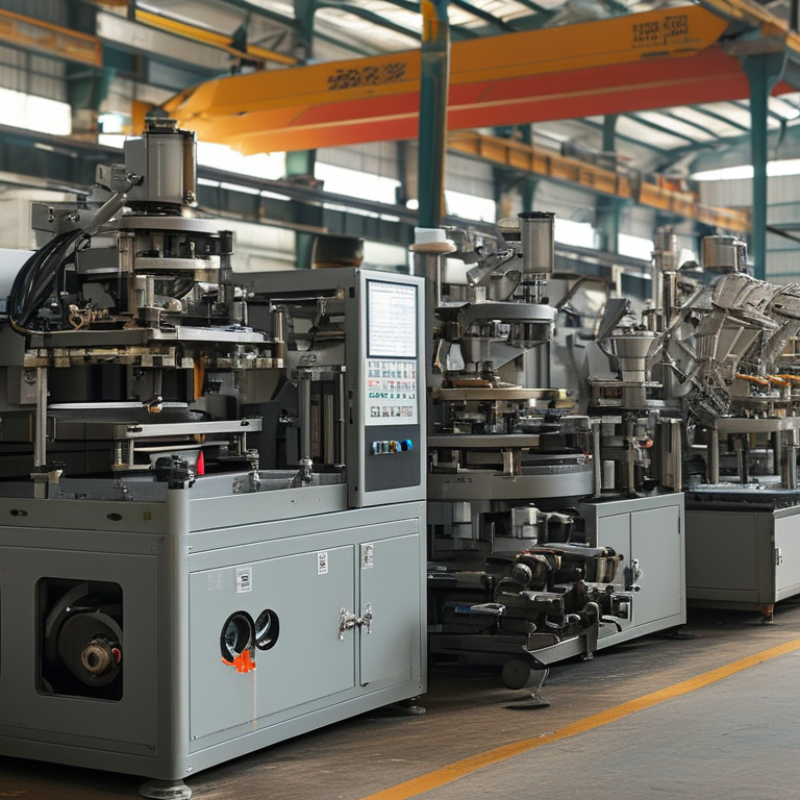
Cup forming machines are crucial in various industries, particularly in food and packaging sectors. These machines create disposable cups from different materials, including paper and plastic. Each type of machine serves specific needs based on production volume and cup design. Understanding these types helps businesses make informed choices.
Automated cup forming machines are popular for large-scale production. They operate quickly and efficiently, producing thousands of cups each hour. However, their high cost can be a barrier for smaller businesses. Semiautomatic machines may be more accessible for startups, offering a lower entry price but requiring more manual labor. Balancing cost and efficiency is essential but can be challenging.
In addition, various materials can affect the choice of machine. For example, paper cups need different handling compared to plastic cups. This complexity may lead to production inefficiencies if not managed well. Businesses must reflect on their unique requirements and future growth when selecting a machine. Investing time in research ensures a reliable purchase, tailored to specific production needs.
When selecting a cup forming machine, several key features warrant attention. Speed is crucial; many modern machines can produce thousands of cups per hour. A report from the International Association of Plastics shows that production efficiency can make or break profits in this sector. Look for machines with adjustable speeds to calibrate according to material type and production volume.
Another important factor is versatility. Machines that can form various cup types—from paper to plastic—are invaluable. According to industry studies, versatility reduces overall costs by eliminating the need for multiple machines. Automated features also enhance productivity, but they require careful assessment. Automation can lead to higher initial costs and maintenance concerns.
Material compatibility should not be overlooked. Machines need to efficiently process the materials used for cups while ensuring quality. Many manufacturers face challenges with waste cycles. A careful examination of machine specifications helps avoid these issues. It's essential to balance advanced technology with practical needs in your production line.
When it comes to cup forming machines, many options stand out in 2026. Choosing the right model can feel overwhelming. Each machine serves unique needs, from speed to precision. Understanding the various features is crucial for making an informed decision.
There are models designed for high volume production. These will be faster but might sacrifice some quality. Others excel in producing intricate designs. A machine that fits your production style can enhance workflow effectively. Consider models that offer user-friendly interfaces for a smoother operation experience.
It's also important to reflect on your actual needs. Are you prioritizing cost or efficiency? What’s your production volume? Each choice can significantly affect your outcomes. Exploring reviews can provide insight into real-world performance. Consider feedback from users who share their experiences. Their insights may highlight potential pitfalls and areas for improvement. This process ensures you make a reliable choice.
When considering cup forming machines, price and performance are key factors. A recent industry report highlighted that machines can range from $5,000 to $25,000. The efficiency of these machines is also critical. High-quality machines typically produce 100-120 cups per minute. However, not all machines meet this standard. Some models fail to achieve optimal output, leading to increased costs.
In terms of performance, accuracy in cup dimensions is crucial. Deviations can lead to production waste. A study showed that machines with advanced technology reduce waste by 30%. Such precision not only enhances productivity but also ensures customer satisfaction. However, businesses should be cautious. Investing in high-tech options without understanding operational needs may lead to overspending.
Tip: Always evaluate your production needs before selecting a machine. Focus on your specific requirements to avoid unnecessary expenses. Check user reviews to gauge real-world performance. A comprehensive assessment can help you choose wisely.
Maintaining a cup forming machine is crucial for its longevity and efficiency. Regular maintenance can significantly reduce operational downtime. Industry studies show that preventive maintenance can lead to a 20-30% decrease in machinery failure. Simple tasks, such as lubricating moving parts and checking electrical connections, can extend the machine's life.
Consider conducting routine inspections at least once a month. Look for wear and tear on components. Replace any worn parts immediately to avoid bigger issues. Cleaning the machine regularly, especially around the forming area, prevents debris accumulation. Research indicates that 30% of machine failures are due to lack of cleaning.
Operators should also log all maintenance activities. This documentation can provide insights into patterns of wear. A thorough log helps in identifying parts that require more frequent attention. Reflecting on past maintenance actions can help improve future protocols. It’s essential to adapt your maintenance schedule based on the machine’s performance history.
„Thanks to the LUVIR technology, the solder resist process could be switched directly from the previously used mask exposure to direct exposure. As an outstanding digital solution on the market, this technology has been able to demonstrate fast process times and superior quality on our certified conventional ink in production. This allowed us to fully digitize the solder mask process at low cost – without process or ink adjustments. An excellent benefit to our production in Rot am See.“
Ralf Göhringer (Head of Production WE Rot am See)
I would definitely recommend the Limata machine and team for a future company purchase
Michael Greenaway
Compunetics Inc.
“The Limata ldi has been amazing!! Best thing we did was buy this machine”
Richard Brady
GM
Circuitlabs
“Since 2019, we have been running the Limata X1000 LDI system (including LUVIR for solder mask imaging) in daily production as an addition to our current process with film. The machine was capable of properly exposing Taiyo PSR-4000 BN (DI) solder mask types on normal to high-copper boards using a new and unique direct imaging process. The machine operating interface is very user friendly which allowed for a quick technical training curve. The pre-registration processing reduced several seconds of production time at every print. Limata support and service staff is incomparable. They supported our team every step of the way at basically any time of the day or night, with literally, an immediate response time, customizing the software interface to best fit our Operations and needs.
We have exposed more than 8,000 prints since end of October, on various solder mask colors and some resist film panels. Limata, has proven to be very capable and innovative. They are a strong contender in the industry.
We have very much enjoyed this project, and working with the team!
Thank you Limata for the continued support and being a part of our growth.”
Bill Sezate
Vice President, GM
Summit Interconnect
As a replacement to our current contact exposure process with film, the LIMATA X2000 system including LUVIR-Technology was capable of properly exposing non-LDI solder mask types using a direct imaging process. The machine offers cutting edge software with a very intuitive operating interface which allowed for quick technician training curve. The dual drawer system combined with pre-registration processing reduced several seconds of production time at every machine cycle. Limata support and service staff is world class. They added software patches to keep production running at shortest possible response times, customized the software interface to best fit our in-house Operations system, and even wrote a step-by-step machine processing manual. As a result of the project, we have exposed more than 16,000 times on various product types and solder mask brands/colors. Limata, in a very short timeframe as a company, has definitely shown they are truly innovative and will be challenging the industry of direct imaging for the top spot.
Kevin Beattie
Process Engineer
TTM Technologies
Forest Grove Division
