When it comes to selecting a winch gearbox, the FFT-W Series Of Winch Gearbox stands out for its versatility and efficiency. This series is engineered for diverse applications, from industrial to recreational use. Its robust design ensures durability under stress, making it a reliable choice for many users. However, not every model suits every need—understanding the specifications is crucial.
Choosing the right FFT-W Series Of Winch Gearbox involves considering load capacities, gear ratios, and installation requirements. Every project has unique demands. A mismatch can lead to performance issues or even equipment failure. Observing user reviews can provide valuable insights, but they should be matched with technical data.
Ultimately, the best choice depends on your specific needs. Engage with suppliers and compare models. Assessing both strengths and weaknesses can guide you to the ideal winch gearbox. Reflect on your requirements, ensuring that design aligns with operational tasks.
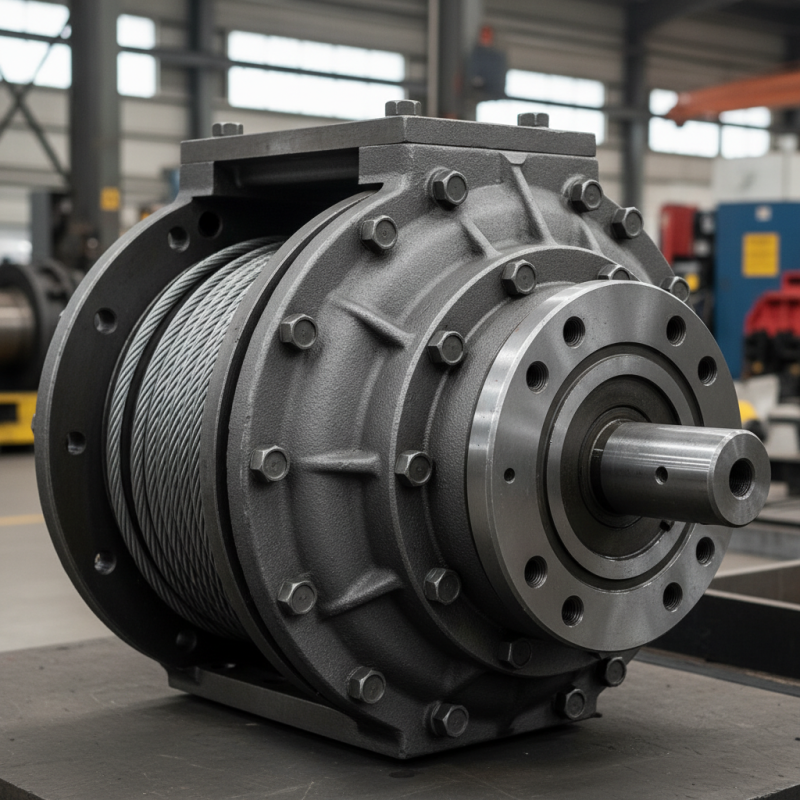
When exploring the FFT-W Series winch gearbox specifications, several key features stand out. These gearboxes are often valued for their efficiency and durability. Their design typically enhances power transmission, making them suitable for a variety of applications. However, understanding the precise specifications is crucial for optimal performance.
One important aspect to consider is the gear ratio. A higher ratio can provide more torque. This feature is essential for applications requiring heavy lifting or pulling. Additionally, the material used in construction affects reliability. Different materials may respond differently under stress. This variability can be a source of concern for long-term use.
Load capacity is another critical specification. It is vital to select a gearbox that meets the requirements of your specific application. Overloading can lead to failure or excessive wear. It’s essential to review the operational environment. Factors such as temperature and moisture play significant roles in gearbox longevity. These considerations can sometimes be overlooked, leading to unexpected issues. Evaluating these specifications carefully can help ensure that the chosen winch gearbox will meet your needs effectively.
When selecting a winch gearbox, several key features are critical. Load capacity is one of the primary considerations. You need to match the gearbox capacity with the weight it will pull. A gearbox with insufficient capacity can fail, causing damage and safety hazards.
Speed is another factor to consider. Different applications require varying speeds. If the speed is too slow, it may delay projects. Conversely, too fast can complicate control. Ensure to evaluate the speed ratio, keeping in mind your specific task.
The gearbox's durability should not be overlooked. Look for materials that withstand wear and tear. A robust construction leads to reliable performance over time. Regular maintenance and checks can extend the gearbox's lifespan and prevent unexpected breakdowns. Balancing these factors may present challenges, but doing so ensures you choose the right winch gearbox for your needs.
The FFT-W series gearboxes are crucial in various industries, providing effective solutions for torque transmission. Their applications extend across sectors like construction, mining, and marine operations. In construction, for instance, gearboxes support heavy machinery, ensuring stability and efficiency. Data indicates that gearboxes can enhance operational performance by up to 30%. This improvement is essential in high-demand environments.
In mining, FFT-W series gearboxes manage significant loads while minimizing wear and tear. Studies suggest that using efficient gearboxes can reduce maintenance costs by approximately 20%. This reduction is vital for sustained productivity in resource extraction. The robust design of FFT-W gearboxes allows them to withstand harsh conditions, showcasing their reliability.
Marine applications also benefit significantly from these gearboxes. They support winches and hoists that operate under challenging conditions. With an emphasis on safety and performance, the FFT-W series gearboxes play a pivotal role. However, even with advanced engineering, occasional failures still occur, reminding users to regularly assess and maintain their equipment. Such reflections can lead to improved reliability and longevity in systems that depend on these gearboxes.
When selecting the right winch gearbox, performance metrics are crucial. These include torque capacity, efficiency, and noise level. A higher torque rating indicates better lifting power, while efficiency measures how well the gearbox converts energy. Noise levels can affect operational comfort, making this an important consideration.
Tip: Always evaluate the load requirements before choosing a gearbox. Overestimating your needs can lead to unnecessary costs.
In comparative analyses, you may find that some gearboxes excel in torque but lack efficiency. Others may be quiet but not durable. It's essential to balance these performance metrics based on your specific application. Understand that there are trade-offs when selecting components.
Tip: Create a checklist of your performance priorities. This can guide your decision-making process effectively. Have realistic expectations about performance. Not all high-performance metrics guarantee success in the field.
| Model | Max Force (kN) | Gear Ratio | Weight (kg) | Efficiency (%) | Price ($) |
|---|---|---|---|---|---|
| Model A | 15 | 3:1 | 35 | 90 | 1200 |
| Model B | 20 | 4:1 | 40 | 88 | 1500 |
| Model C | 25 | 5:1 | 45 | 92 | 1800 |
| Model D | 30 | 6:1 | 50 | 91 | 2000 |
| Model E | 35 | 7:1 | 60 | 93 | 2500 |
When choosing an FFT-W series winch gearbox, maintenance and durability are key considerations. Regular maintenance can significantly extend the lifespan of the gearbox. Simple tasks, such as checking for leaks and lubrication levels, can prevent more significant issues. It's essential to clean the gearbox periodically to avoid the accumulation of dirt and debris. Neglecting these steps may lead to reduced performance or even failures.
Durability often depends on the materials used in the gearbox's construction. While many gearboxes are designed for heavy-duty applications, some may not withstand extreme conditions. Assessing the operating environment is crucial. For instance, exposure to moisture can cause rust. Regular inspections can help identify potential weaknesses.
The design of the gearbox can also impact its longevity. If it’s not adequately vented, heat can build up, leading to wear and tear. Consideration of cooling methods may be necessary in high-temperature situations. Each operation environment can present unique challenges. Failing to adapt maintenance routines to these challenges could result in costly downtimes.
„Thanks to the LUVIR technology, the solder resist process could be switched directly from the previously used mask exposure to direct exposure. As an outstanding digital solution on the market, this technology has been able to demonstrate fast process times and superior quality on our certified conventional ink in production. This allowed us to fully digitize the solder mask process at low cost – without process or ink adjustments. An excellent benefit to our production in Rot am See.“
Ralf Göhringer (Head of Production WE Rot am See)
I would definitely recommend the Limata machine and team for a future company purchase
Michael Greenaway
Compunetics Inc.
“The Limata ldi has been amazing!! Best thing we did was buy this machine”
Richard Brady
GM
Circuitlabs
“Since 2019, we have been running the Limata X1000 LDI system (including LUVIR for solder mask imaging) in daily production as an addition to our current process with film. The machine was capable of properly exposing Taiyo PSR-4000 BN (DI) solder mask types on normal to high-copper boards using a new and unique direct imaging process. The machine operating interface is very user friendly which allowed for a quick technical training curve. The pre-registration processing reduced several seconds of production time at every print. Limata support and service staff is incomparable. They supported our team every step of the way at basically any time of the day or night, with literally, an immediate response time, customizing the software interface to best fit our Operations and needs.
We have exposed more than 8,000 prints since end of October, on various solder mask colors and some resist film panels. Limata, has proven to be very capable and innovative. They are a strong contender in the industry.
We have very much enjoyed this project, and working with the team!
Thank you Limata for the continued support and being a part of our growth.”
Bill Sezate
Vice President, GM
Summit Interconnect
As a replacement to our current contact exposure process with film, the LIMATA X2000 system including LUVIR-Technology was capable of properly exposing non-LDI solder mask types using a direct imaging process. The machine offers cutting edge software with a very intuitive operating interface which allowed for quick technician training curve. The dual drawer system combined with pre-registration processing reduced several seconds of production time at every machine cycle. Limata support and service staff is world class. They added software patches to keep production running at shortest possible response times, customized the software interface to best fit our in-house Operations system, and even wrote a step-by-step machine processing manual. As a result of the project, we have exposed more than 16,000 times on various product types and solder mask brands/colors. Limata, in a very short timeframe as a company, has definitely shown they are truly innovative and will be challenging the industry of direct imaging for the top spot.
Kevin Beattie
Process Engineer
TTM Technologies
Forest Grove Division
