In today's industrial landscape, the efficiency of operations heavily relies on modern technologies. The "Filter Machine" plays a crucial role in optimizing production processes. Various reports indicate that effective filtration can enhance product quality by up to 30%. This highlights the importance of selecting the right filter system.
However, not all filter machines are created equal. Some models may struggle under high operational demands or may require excessive maintenance. According to a recent industry study, poor filtration can lead to increased waste, costing companies thousands in lost revenue. Thus, understanding the strengths and weaknesses of different filter machines is essential for maximizing efficiency.
Investing in a high-quality filter machine can yield significant returns. Yet, companies must also consider their unique needs and operational contexts. A one-size-fits-all solution often falls short. Therefore, it's critical for businesses to thoroughly evaluate their options and make informed decisions to sustain their competitive edge.
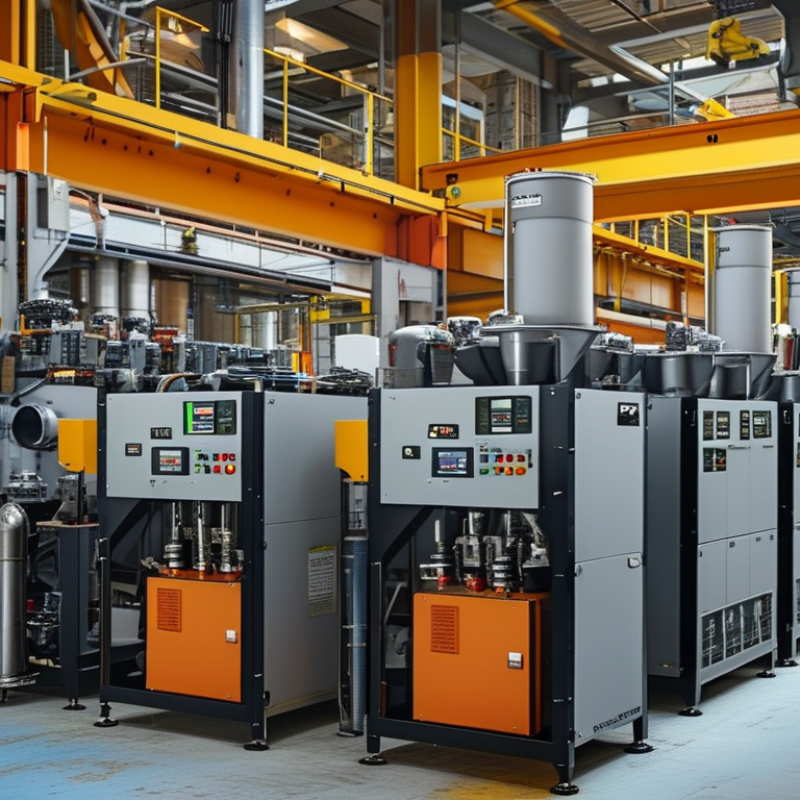
Filter machines play a crucial role across multiple industries. They ensure the purity of products and the efficiency of processes. Data from the Global Filtration Market report indicates that the filtration market is projected to reach USD 60 billion by 2028. This surge reflects growing awareness of quality and compliance standards.
In sectors like pharmaceuticals, food and beverage, and wastewater management, filter machines are indispensable. For instance, in the pharmaceutical industry, only 30% of drugs pass required filtration. Poor filtration can lead to contamination, causing costly recalls. In food production, ensuring microbiological purity is critical. Advanced filter systems reduce particle counts by over 95%, which significantly impacts product quality.
However, not all filter machines are created equal. Many companies still rely on outdated technologies. This lag can lead to inefficiencies and increased operational costs. A study found that companies optimizing filtration saw a 20% decrease in energy use. Regular reviews and updates to filtration processes are essential for maintaining competitiveness. Despite advances, relying solely on technology without proper training or maintenance can lead to errors. Balancing technology with human oversight is vital for optimal performance.
When selecting a high-performance filter machine, several key features should be prioritized. First, an efficient filtration mechanism is crucial. Look for machines that use advanced technologies to capture even the tiniest particles. This ensures that the filtered output meets stringent quality standards.
Ease of use is another significant factor. A user-friendly interface allows operators of all skill levels to manage the machine effectively. Look for machines with intuitive controls and clear indicators. They should require minimal training to operate efficiently.
Reliability is essential for optimal performance. Machines should be built with durable materials to withstand daily use without frequent breakdowns. Regular maintenance access is also important. Machines that are difficult to service can lead to downtime, which affects overall efficiency. Thus, it's vital to choose a model that balances performance with practical upkeep considerations.
When choosing filter machines, several brands stand out for their commitment to efficiency and performance. These brands have earned a reputation for delivering high-quality products. Their machines often feature advanced filtration technologies that enhance performance in various settings. Each model is designed with specific needs in mind, ensuring versatility and practicality.
Consider the design of these machines. Some models are compact, making them suitable for small spaces. Others are larger, perfect for industrial applications. It's crucial to assess your requirements before making a decision. User reviews can provide valuable insights into real-world performance. You may find that some machines are more reliable than others in handling specific tasks.
It's important to recognize that no machine is perfect. Users may encounter issues, such as maintenance challenges or performance inconsistencies. Reflecting on these drawbacks is essential when selecting a filter machine. By weighing the pros and cons, you can make an informed choice that meets your needs. Investing time in research will pay off in the long run.
When evaluating filter machines, a comparative analysis of various types reveals significant distinctions in performance and efficiency. For instance, high-efficiency particulate air (HEPA) filters can capture 99.97% of particles, making them ideal for cleanroom applications. In contrast, activated carbon filters effectively eliminate odors and volatile organic compounds (VOCs).
Recent industry reports indicate that membrane filtration systems, including microfiltration and ultrafiltration, are gaining traction. These systems can reduce operational costs by up to 30% compared to traditional filtration. However, they may require higher maintenance, leading to potential performance drops if not monitored closely.
Additionally, it is crucial to consider energy consumption. Advanced filter machines with intelligent control systems optimize energy use. Yet, many users underestimate this aspect, leading to increased operational costs. Assessing energy efficiency alongside filtration quality can enhance performance significantly. Each type of filter machine has pros and cons, making informed choices essential.
Proper maintenance of filter machines is crucial for their optimal performance and longevity. Regular cleaning is essential. Dust and particulate accumulation can hinder efficiency. According to a report from the National Institute of Standards and Technology, improper maintenance can reduce filter performance by up to 30%. This means that neglecting routine checks can lead to increased operational costs and decreased productivity.
Monitoring filter system pressures is another key component. Systems that operate outside of recommended pressure ranges often experience premature wear. A study by the American Society of Mechanical Engineers reported that consistent pressure monitoring can extend the lifespan of filter machines by 15-25%. Understanding pressure fluctuations and adjusting accordingly can help prevent costly repairs.
Additionally, staff training is vital. Employees should understand how to identify early signs of machine malfunction. A well-trained team can recognize changes in noise levels or unusual vibrations. Small issues addressed early can prevent major breakdowns. Investing in training can save significant costs in the long run, but many companies overlook this aspect. Maintenance isn't just a checklist; it requires ongoing attention and adaptation.
„Thanks to the LUVIR technology, the solder resist process could be switched directly from the previously used mask exposure to direct exposure. As an outstanding digital solution on the market, this technology has been able to demonstrate fast process times and superior quality on our certified conventional ink in production. This allowed us to fully digitize the solder mask process at low cost – without process or ink adjustments. An excellent benefit to our production in Rot am See.“
Ralf Göhringer (Head of Production WE Rot am See)
I would definitely recommend the Limata machine and team for a future company purchase
Michael Greenaway
Compunetics Inc.
“The Limata ldi has been amazing!! Best thing we did was buy this machine”
Richard Brady
GM
Circuitlabs
“Since 2019, we have been running the Limata X1000 LDI system (including LUVIR for solder mask imaging) in daily production as an addition to our current process with film. The machine was capable of properly exposing Taiyo PSR-4000 BN (DI) solder mask types on normal to high-copper boards using a new and unique direct imaging process. The machine operating interface is very user friendly which allowed for a quick technical training curve. The pre-registration processing reduced several seconds of production time at every print. Limata support and service staff is incomparable. They supported our team every step of the way at basically any time of the day or night, with literally, an immediate response time, customizing the software interface to best fit our Operations and needs.
We have exposed more than 8,000 prints since end of October, on various solder mask colors and some resist film panels. Limata, has proven to be very capable and innovative. They are a strong contender in the industry.
We have very much enjoyed this project, and working with the team!
Thank you Limata for the continued support and being a part of our growth.”
Bill Sezate
Vice President, GM
Summit Interconnect
As a replacement to our current contact exposure process with film, the LIMATA X2000 system including LUVIR-Technology was capable of properly exposing non-LDI solder mask types using a direct imaging process. The machine offers cutting edge software with a very intuitive operating interface which allowed for quick technician training curve. The dual drawer system combined with pre-registration processing reduced several seconds of production time at every machine cycle. Limata support and service staff is world class. They added software patches to keep production running at shortest possible response times, customized the software interface to best fit our in-house Operations system, and even wrote a step-by-step machine processing manual. As a result of the project, we have exposed more than 16,000 times on various product types and solder mask brands/colors. Limata, in a very short timeframe as a company, has definitely shown they are truly innovative and will be challenging the industry of direct imaging for the top spot.
Kevin Beattie
Process Engineer
TTM Technologies
Forest Grove Division
