As the construction industry evolves, insulated panels are gaining significant attention. These panels offer superior thermal efficiency. They effectively reduce energy consumption and provide sustainable building solutions. In 2026, global buyers will seek high-quality insulated panels that meet their diverse needs.
The market for insulated panels isn't without challenges. Trends show variability in quality and pricing across regions. Buyers must prioritize manufacturers with a strong reputation. Understanding the specifics, such as materials and insulation values, is crucial for making informed decisions.
Current innovations suggest promising developments in insulated panel technology. Advanced materials improve durability and performance. However, buyers should be cautious of overly optimistic claims. Research and expertise are essential for choosing the right products. The journey to find the best insulated panels demands diligence and discernment.
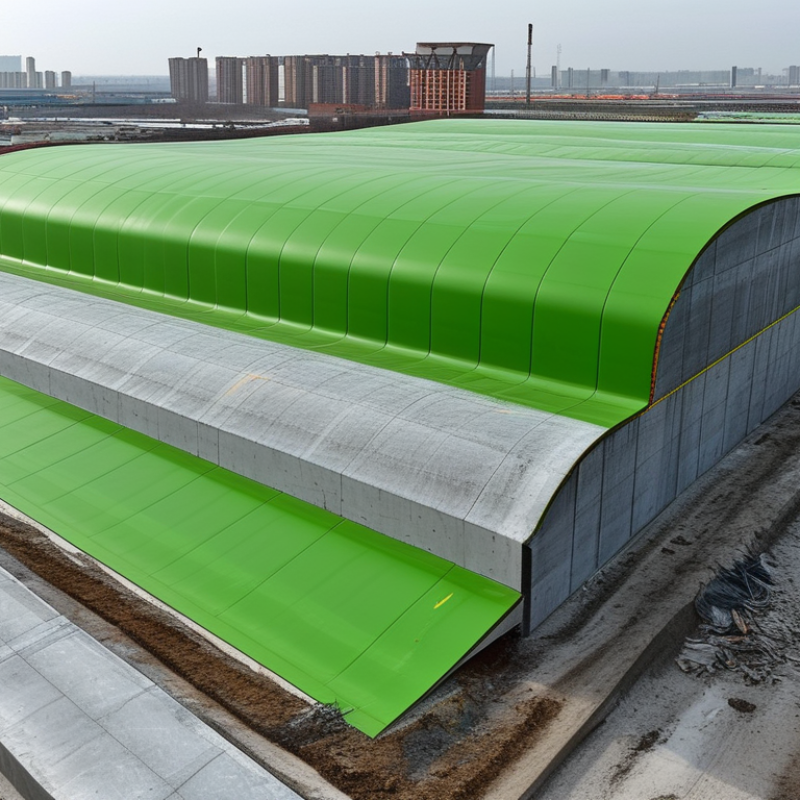
Insulated panels are becoming essential in various global markets. In 2026, their demand will likely surge due to increasing energy costs and sustainability trends. These panels offer superior thermal performance. They can help reduce heating and cooling expenses significantly.
The manufacturing of insulated panels has evolved. Innovative materials are used to enhance insulation properties. Some panels now include recycled components, promoting environmental responsibility. However, quality varies widely. Buyers should be cautious and gather detailed information before making a decision.
Market trends show a shift towards lightweight and versatile panels. These materials are easier to install and transport. However, concerns over durability remain. Some panels may not withstand extreme weather conditions as expected. Thorough research is vital for making informed choices. Understanding the unique needs of various projects will aid in selecting the best options.
When selecting insulated panels, key features significantly impact their performance and suitability. The material type is critical. Common options include polyurethane, polystyrene, and mineral wool. Each material has different thermal properties. A buyer’s specific needs should dictate the choice.
Thickness also matters. Thicker panels generally offer better insulation. However, more thickness can lead to higher costs. Finding a balance between insulation performance and budget is essential. Consider the panel density as well. Higher density typically means better durability and insulation, but this can also increase weight.
Additionally, pay attention to fire resistance ratings. Some panels offer better fire safety than others. This aspect can be crucial in specific applications. Energy efficiency standards are another vital consideration. Ensure the panels meet global energy efficiency benchmarks. Be mindful that not every panel suits every climate. Testing and certifications can further guide selection, so research is important.
The insulated panel market is growing rapidly, driven by the demand for energy efficiency and sustainable construction. The Global Insulated Panels Market Report suggests a compound annual growth rate (CAGR) of 6% between 2021 and 2026. This growth is influenced by advanced technologies and innovative materials. Buyers need to know the leading manufacturers and their market positioning.
Key players in this industry demonstrate expertise in various segments. Major manufacturers focus on diverse applications such as cold storage, roofing, and wall systems. Their commitment to research and development ensures continuous improvement and adherence to quality standards. Effective collaboration with construction firms enhances their product reliability and customer satisfaction.
Despite the competitive landscape, challenges remain. Many manufacturers struggle to meet stringent environmental regulations. Additionally, fluctuating raw material costs can hinder profitability. Buyers should consider these factors when selecting suppliers. Staying informed about industry trends and technological innovations is crucial for making strategic decisions.
The landscape of insulated panel technology is rapidly evolving. Emerging innovations focus on improving thermal efficiency and environmental sustainability. Enhanced insulation materials, such as polyisocyanurate and expanded polystyrene, are gaining traction. These materials offer superior performance while minimizing energy loss.
With a growing concern for climate change, manufacturers are prioritizing eco-friendly production processes. Many panels now incorporate recycled content. This not only reduces waste but also appeals to environmentally conscious buyers. Additionally, smart technology integration is becoming more prevalent. Panels equipped with sensors can monitor temperature fluctuations in real time.
Despite the advancements, issues remain. Some panels show vulnerabilities under extreme weather conditions. Durability is critical; buyers are advised to assess long-term performance carefully. Budget constraints also challenge some manufacturers. Pricing can impact choices, as buyers seek the best value. This complex interplay of innovation, sustainability, and cost needs close attention in the coming years.
This chart illustrates the projected demand for various types of insulated panels by region in 2026. The data represents a growing trend towards energy-efficient and sustainable building materials.
Insulated panels play a vital role in various industries, providing both thermal efficiency and structural integrity. These panels are increasingly crafted from materials like polyurethane and polystyrene, offering significant insulation. In the construction industry, for instance, they serve as crucial components in walls and roofs, improving energy efficiency. Timely upgrades can minimize heating and cooling costs, enhancing sustainability.
Food processing facilities also benefit greatly from insulated panels. These environments require strict temperature control to ensure product safety. Insulated panels help maintain cold storage efficiently. However, the type of insulation used must be carefully selected to meet health standards, reminding us that optimal solutions often require rigorous testing and validation.
Additionally, there is always potential for improvement. Installation techniques can vary widely, impacting overall performance. Ensuring a tight seal is essential but can sometimes be overlooked. Manufacturers must also consider variations in climate conditions. Adapting products to meet diverse regional needs remains a challenge. Therefore, ongoing research is essential to refine insulated panel technology, ensuring that it meets evolving industry demands effectively and reliably.
„Thanks to the LUVIR technology, the solder resist process could be switched directly from the previously used mask exposure to direct exposure. As an outstanding digital solution on the market, this technology has been able to demonstrate fast process times and superior quality on our certified conventional ink in production. This allowed us to fully digitize the solder mask process at low cost – without process or ink adjustments. An excellent benefit to our production in Rot am See.“
Ralf Göhringer (Head of Production WE Rot am See)
I would definitely recommend the Limata machine and team for a future company purchase
Michael Greenaway
Compunetics Inc.
“The Limata ldi has been amazing!! Best thing we did was buy this machine”
Richard Brady
GM
Circuitlabs
“Since 2019, we have been running the Limata X1000 LDI system (including LUVIR for solder mask imaging) in daily production as an addition to our current process with film. The machine was capable of properly exposing Taiyo PSR-4000 BN (DI) solder mask types on normal to high-copper boards using a new and unique direct imaging process. The machine operating interface is very user friendly which allowed for a quick technical training curve. The pre-registration processing reduced several seconds of production time at every print. Limata support and service staff is incomparable. They supported our team every step of the way at basically any time of the day or night, with literally, an immediate response time, customizing the software interface to best fit our Operations and needs.
We have exposed more than 8,000 prints since end of October, on various solder mask colors and some resist film panels. Limata, has proven to be very capable and innovative. They are a strong contender in the industry.
We have very much enjoyed this project, and working with the team!
Thank you Limata for the continued support and being a part of our growth.”
Bill Sezate
Vice President, GM
Summit Interconnect
As a replacement to our current contact exposure process with film, the LIMATA X2000 system including LUVIR-Technology was capable of properly exposing non-LDI solder mask types using a direct imaging process. The machine offers cutting edge software with a very intuitive operating interface which allowed for quick technician training curve. The dual drawer system combined with pre-registration processing reduced several seconds of production time at every machine cycle. Limata support and service staff is world class. They added software patches to keep production running at shortest possible response times, customized the software interface to best fit our in-house Operations system, and even wrote a step-by-step machine processing manual. As a result of the project, we have exposed more than 16,000 times on various product types and solder mask brands/colors. Limata, in a very short timeframe as a company, has definitely shown they are truly innovative and will be challenging the industry of direct imaging for the top spot.
Kevin Beattie
Process Engineer
TTM Technologies
Forest Grove Division
