In the competitive world of textile manufacturing, the choice of machinery is crucial. The Bed Linen Quilting Machine stands out as an essential tool for businesses aiming to produce high-quality bed linen. With an increasing demand for luxury bedding, understanding the features and benefits of these machines becomes vital for global buyers.
Purchasing a Bed Linen Quilting Machine from China offers numerous advantages. Chinese manufacturers provide a wide range of options, from industrial to bespoke machines. This variety allows buyers to find equipment that fits their specific production needs. However, navigating this market can be challenging. Quality can vary significantly, so it’s important to conduct thorough research and evaluate suppliers carefully.
Investing in the right Bed Linen Quilting Machine not only boosts production efficiency but also enhances the quality of finished products. However, buyers must consider factors like durability, maintenance, and support services. Making the right choice can be a complicated journey, but it is necessary for long-term success in the textile industry.
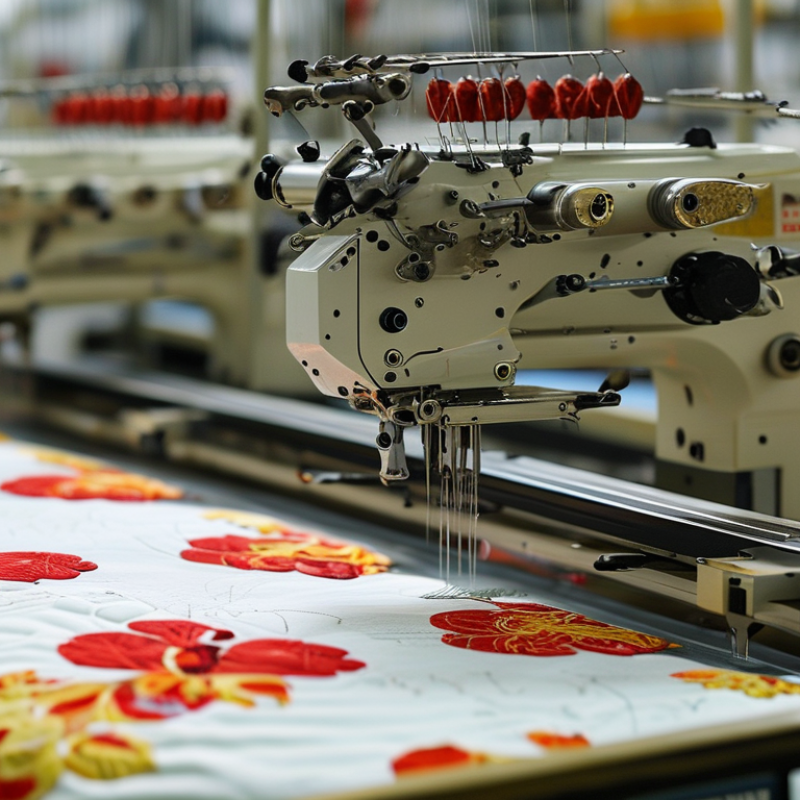
When exploring the market for bed linen quilting machines in China, there are several factors to consider. The country holds a significant share of the global quilting machine market, with a projected growth rate of 6.5% from 2021 to 2026, according to industry reports. This growth is driven by the increasing demand for high-quality bed linens and the rise of automation in textile manufacturing.
Chinese manufacturers offer a diverse range of quilting machines. Features vary widely, including advanced computerized systems that enhance precision and efficiency. Some machines come equipped with multi-needle capabilities, allowing for more intricate designs. The cost of these machines can range significantly, reflecting various functionalities and technologies. This variation demands careful consideration before making a purchase.
Despite the advancements, challenges persist. Many machines lack user-friendly interfaces, which can complicate their operation. There's often a steep learning curve for new users. Additionally, support systems can be inconsistent, leading to frustration during maintenance. These are critical factors to reflect on when selecting a machine for your quilting needs in a competitive market.
When selecting quilting machines for bed linen, consider the machine's stitching capabilities. Look for versatile stitching options to create various patterns. A machine with adjustable stitch length can enhance your quilting processes. Check for ease of use. A user-friendly interface saves time and reduces frustration.
Tip: Test the machine before purchasing. Ensure it handles multiple fabric types effectively. Pay attention to the needle and thread compatibility, as they can significantly affect your final product.
Next, evaluate the machine's durability. A sturdy construction can withstand heavy use over time. Machines that are easy to maintain also save you from frequent repairs. Research user reviews to gauge reliability in real-world scenarios.
Tip: Consider the noise level. Some machines can be loud, which might be distracting during long projects. Balance performance with comfort for a better quilting experience. Reflect on your needs and choose accordingly.
| Machine Type | Stitch Patterns | Max Stitch Length (mm) | Speed (stitches/min) | Needle System | Weight (kg) | Power Consumption (W) |
|---|---|---|---|---|---|---|
| Computerized Quilting Machine | Variety of patterns | 10 | 1500 | DB x 1 | 60 | 500 |
| Long Arm Quilting Machine | Customizable | 12 | 2000 | 135 x 1 | 75 | 600 |
| Industrial Quilting Machine | Simple and complex | 8 | 1000 | 16 x 1 | 80 | 700 |
| Handheld Quilting Machine | Limited patterns | 6 | 500 | DB x 2 | 2.5 | 100 |
| Portable Quilting Machine | Variety of patterns | 8 | 1200 | DB x 1 | 15 | 300 |
The quilting machine market for bed linen in China features a variety of brands. These brands offer advanced technologies and unique functionalities, catering to different user needs. Buyers often face challenges in choosing the right machine. Understanding different specifications can be overwhelming.
Popular brands focus on user-friendliness. They provide intuitive interfaces and helpful features for both beginners and experts. Machine durability is also a key consideration. Some brands excel in material quality, resulting in reliable performance over time. Users often share experiences about ease of maintenance and repair challenges.
Price ranges significantly among different brands. It is worth noting that lower prices do not always indicate lesser quality. Some high-end machines may not suit every user’s budget. It’s essential to weigh the pros and cons carefully. Each user’s needs and expectations can greatly influence their satisfaction.
When exploring quilting machines for bed linen production, various features stand out. The market has grown, with global demand increasing by 7% annually, driven by rising textile consumption. Key features should include stitching speed, user-friendliness, and durability. High stitching speed enhances productivity, essential for manufacturers. Machines operating at 1,500 stitches per minute can significantly reduce production time.
User-friendly interfaces are equally crucial. Many machines now offer touchscreen controls and programmable settings. This simplifies operations, particularly for less experienced staff. A report from the Textile Machinery Association notes that about 25% of manufacturers struggle with complex machinery. Therefore, simplicity can lead to better efficiency in production.
Durability is not just a buzzword. It can directly influence lifetime costs. Machines with robust components often require fewer repairs, which is financially beneficial. However, quality assurance processes sometimes fail to catch manufacturing defects early. Regular maintenance is vital. It's a practice that all manufacturers must adopt to ensure longevity and reliability. Avoiding complacency can lead to enhanced productivity in the long run.
When considering quilting machines in China, international buyers should focus on several key factors to make informed decisions. Quality and design play crucial roles in ensuring durability and efficiency. Look for machines that offer a variety of quilting functions to meet diverse needs. It's essential to assess the materials used in construction, as these can significantly impact the machine's longevity.
One practical tip is to visit factories if possible. Observing the production process helps buyers understand quality control measures. Another hint is to ask for samples of machine output. This gives insight into the stitching quality and various designs achievable with the machine.
Lastly, consider the after-sales support. Reliable service can make a big difference in your experience. Many Chinese manufacturers may not communicate in English well, so clarify all terms before purchasing. Seek feedback from previous clients to gauge the manufacturer's reputation. Doing thorough research will help mitigate potential issues.
„Thanks to the LUVIR technology, the solder resist process could be switched directly from the previously used mask exposure to direct exposure. As an outstanding digital solution on the market, this technology has been able to demonstrate fast process times and superior quality on our certified conventional ink in production. This allowed us to fully digitize the solder mask process at low cost – without process or ink adjustments. An excellent benefit to our production in Rot am See.“
Ralf Göhringer (Head of Production WE Rot am See)
I would definitely recommend the Limata machine and team for a future company purchase
Michael Greenaway
Compunetics Inc.
“The Limata ldi has been amazing!! Best thing we did was buy this machine”
Richard Brady
GM
Circuitlabs
“Since 2019, we have been running the Limata X1000 LDI system (including LUVIR for solder mask imaging) in daily production as an addition to our current process with film. The machine was capable of properly exposing Taiyo PSR-4000 BN (DI) solder mask types on normal to high-copper boards using a new and unique direct imaging process. The machine operating interface is very user friendly which allowed for a quick technical training curve. The pre-registration processing reduced several seconds of production time at every print. Limata support and service staff is incomparable. They supported our team every step of the way at basically any time of the day or night, with literally, an immediate response time, customizing the software interface to best fit our Operations and needs.
We have exposed more than 8,000 prints since end of October, on various solder mask colors and some resist film panels. Limata, has proven to be very capable and innovative. They are a strong contender in the industry.
We have very much enjoyed this project, and working with the team!
Thank you Limata for the continued support and being a part of our growth.”
Bill Sezate
Vice President, GM
Summit Interconnect
As a replacement to our current contact exposure process with film, the LIMATA X2000 system including LUVIR-Technology was capable of properly exposing non-LDI solder mask types using a direct imaging process. The machine offers cutting edge software with a very intuitive operating interface which allowed for quick technician training curve. The dual drawer system combined with pre-registration processing reduced several seconds of production time at every machine cycle. Limata support and service staff is world class. They added software patches to keep production running at shortest possible response times, customized the software interface to best fit our in-house Operations system, and even wrote a step-by-step machine processing manual. As a result of the project, we have exposed more than 16,000 times on various product types and solder mask brands/colors. Limata, in a very short timeframe as a company, has definitely shown they are truly innovative and will be challenging the industry of direct imaging for the top spot.
Kevin Beattie
Process Engineer
TTM Technologies
Forest Grove Division
