When working with metal, the right tools make all the difference. One such essential tool is high-quality Sanding Cloth For Metal. Choosing the right sanding cloth can significantly impact your project's outcome. The wrong choice may lead to scratches or improper finishing.
Sanding cloth for metal comes in various grits and materials. Selecting the correct type depends on the metal's surface and desired finish. Some may find the overwhelming options confusing. It's easy to get lost in the variety offered. This guide aims to clarify your choices, helping you make informed decisions. Quality and durability are key attributes to consider.
Exploring the best sanding cloth can save time and frustration. The right product enhances efficiency and ensures a professional-looking result. Delve into our recommendations to discover trustworthy options that meet your needs. Understanding the features of each cloth can help refine your selection process. Ultimately, the right sanding cloth transforms your metalworking experience.
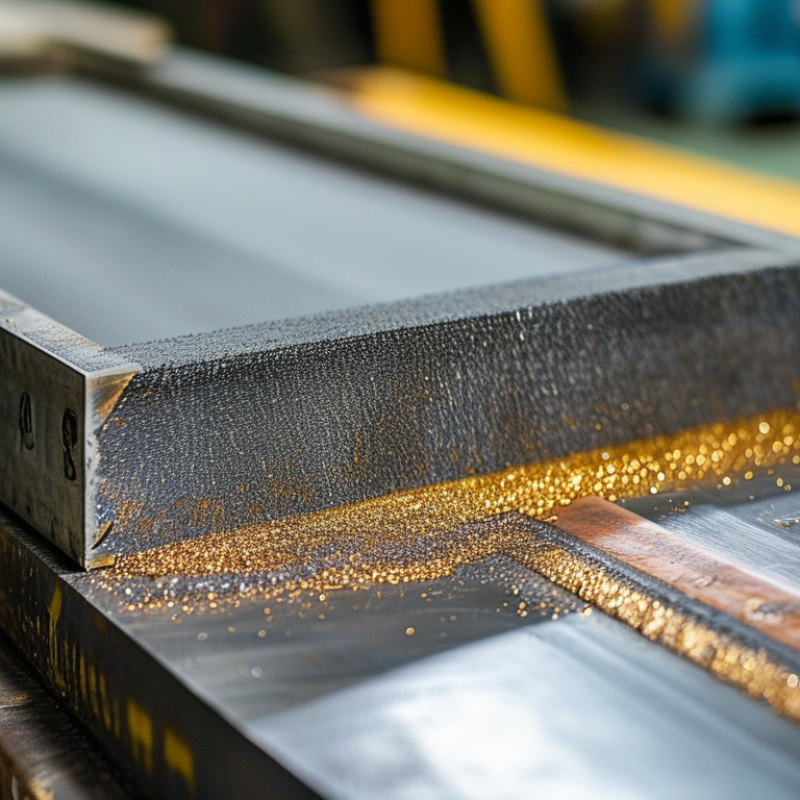
Sanding cloth is an essential tool in metalworking. It is designed specifically to smooth surfaces and prepare them for finishing. Unlike regular sandpaper, sanding cloth is sturdier and more durable. This durability allows it to handle rougher surfaces, making it suitable for metal.
Understanding the types of sanding cloth is crucial. Different materials, like aluminum oxide and silicon carbide, serve specific purposes. Aluminum oxide is effective for general use, while silicon carbide excels in wet applications. Knowing when to use each type can enhance your metalworking projects.
However, it's easy to overlook the importance of proper technique. Applying too much pressure can wear out the cloth quickly. Not using the right grit can result in scratches that are hard to remove. These mistakes can lead to frustration. Experimenting with different techniques may lead to better results. Never underestimate the impact of choosing the right sanding cloth on your project outcome.
When it comes to sanding metal surfaces, selecting the right sanding cloth is crucial. Different types of sanding cloths serve various purposes. For instance, aluminum oxide and silicon carbide materials are common choices for metalwork. According to industry reports, aluminum oxide is known for its durability. It can handle tough surfaces without breaking down quickly. This makes it suitable for heavy grinding or finishing tasks.
Silicon carbide, on the other hand, is ideal for finer finishes. It is sharper and more effective on softer metals. Concrete data from recent studies show that using the right grit size significantly affects the end result. Coarser grits (such as 60 to 120) remove material quickly. Finer grits (up to 400) polish metal surfaces to a smooth finish. The versatility of sanding cloths can enhance productivity and achieve desired outcomes.
However, it's not just about choosing the right material. Users might overlook how sanding technique plays a role. Applying too much pressure can lead to uneven surfaces. Furthermore, using an incorrect grit size can damage the metal finish. Professionals recommend testing different types on scrap metal before application. Users should always prioritize quality and safety during their sanding projects.
This chart illustrates the durability ratings of various types of sanding cloths suitable for metal surfaces, helping you choose the best option for your sanding needs.
Choosing the right sanding cloth for metal involves several important factors. First, consider the grit size. A finer grit is great for finishing touches. It helps achieve a smooth surface. Coarse grits are better for initial stripping or heavy sanding. Understand your specific project needs to select the appropriate grit.
Material matters too. Aluminum oxide is common for metal work due to its durability. Ceramic sanding cloths are excellent for tougher jobs. They can withstand higher temperatures and last longer. Think about the type of metal you're working with. Different materials may require different approaches.
Lastly, observe the sanding method. Hand sanding needs different cloth than machine sanding. Ensure the cloth adheres properly to your tools or hands. Evaluate how much pressure you will apply during use. Too much pressure can damage both the cloth and the metal surface. Assess each factor carefully for the best results.
When selecting sanding cloth for metal, the choice of material and grit is crucial. The right sanding cloth can make a significant difference in achieving a smooth finish. Reports show that aluminum oxide and silicon carbide are the most common materials used in metal applications. They are effective in sanding a variety of metals, from aluminum to steel.
Popular grit sizes range from 60 to 400, depending on the project. Coarser grits are suitable for heavy material removal, while finer grits help in finishing work. Many professionals recommend starting with a medium grit and gradually moving to finer grades. This approach ensures a better-quality surface. Tools like orbital sanders and hand sanding blocks work well with these cloths.
Research indicates that using high-quality sanding cloth can increase efficiency. However, some users experience issues with clogging when sanding metals like stainless steel. Selecting the right backing material can help minimize this problem. Understanding these details can lead to more effective sanding and ultimately superior results.
When using sanding cloth for metal, proper techniques are essential for effective results. Select the right grit for your project. Coarse grits work well for heavy material removal. Finer grits smooth surfaces and prepare for finishing. Always sand in a controlled manner to avoid deep scratches or uneven surfaces. Take your time. Rushing can lead to mistakes that are hard to fix.
Maintenance of sanding cloth prolongs its lifespan. Store it in a dry place to prevent moisture damage. Inspect the sanding cloth regularly for wear. If it loses its abrasive quality, replace it. Cleaning the sanding cloth can also help. Use a brush to remove debris and dust that clog the surface. This simple step can noticeably enhance performance.
Experimentation may be needed to find the right method for your specific metal type. Consider the pressure applied during sanding; too much pressure can lead to excessive wear. Learning from practice is key. Sometimes, results won't be perfect, and that’s okay. Analyzing your mistakes can improve your technique. Don't hesitate to adjust your approach as needed. This journey requires patience and steady hands.
„Thanks to the LUVIR technology, the solder resist process could be switched directly from the previously used mask exposure to direct exposure. As an outstanding digital solution on the market, this technology has been able to demonstrate fast process times and superior quality on our certified conventional ink in production. This allowed us to fully digitize the solder mask process at low cost – without process or ink adjustments. An excellent benefit to our production in Rot am See.“
Ralf Göhringer (Head of Production WE Rot am See)
I would definitely recommend the Limata machine and team for a future company purchase
Michael Greenaway
Compunetics Inc.
“The Limata ldi has been amazing!! Best thing we did was buy this machine”
Richard Brady
GM
Circuitlabs
“Since 2019, we have been running the Limata X1000 LDI system (including LUVIR for solder mask imaging) in daily production as an addition to our current process with film. The machine was capable of properly exposing Taiyo PSR-4000 BN (DI) solder mask types on normal to high-copper boards using a new and unique direct imaging process. The machine operating interface is very user friendly which allowed for a quick technical training curve. The pre-registration processing reduced several seconds of production time at every print. Limata support and service staff is incomparable. They supported our team every step of the way at basically any time of the day or night, with literally, an immediate response time, customizing the software interface to best fit our Operations and needs.
We have exposed more than 8,000 prints since end of October, on various solder mask colors and some resist film panels. Limata, has proven to be very capable and innovative. They are a strong contender in the industry.
We have very much enjoyed this project, and working with the team!
Thank you Limata for the continued support and being a part of our growth.”
Bill Sezate
Vice President, GM
Summit Interconnect
As a replacement to our current contact exposure process with film, the LIMATA X2000 system including LUVIR-Technology was capable of properly exposing non-LDI solder mask types using a direct imaging process. The machine offers cutting edge software with a very intuitive operating interface which allowed for quick technician training curve. The dual drawer system combined with pre-registration processing reduced several seconds of production time at every machine cycle. Limata support and service staff is world class. They added software patches to keep production running at shortest possible response times, customized the software interface to best fit our in-house Operations system, and even wrote a step-by-step machine processing manual. As a result of the project, we have exposed more than 16,000 times on various product types and solder mask brands/colors. Limata, in a very short timeframe as a company, has definitely shown they are truly innovative and will be challenging the industry of direct imaging for the top spot.
Kevin Beattie
Process Engineer
TTM Technologies
Forest Grove Division
