When starting a construction or renovation project, choosing the right tools is vital. One essential tool is the scaffolding ladder. A scaffolding ladder is designed to provide stability and safety while working at height. With many options available, making the right choice can be overwhelming.
Many people underestimate the importance of a quality scaffolding ladder. It isn’t just about reaching higher; it’s about doing so safely. A poor choice can lead to accidents or unfinished tasks. Thus, understanding what each option offers is crucial. Look for features like weight capacity, adjustable height, and ease of use.
Safety standards are not all the same across products. A trustworthy scaffolding ladder should meet industry standards. Always research before buying. With the right information and careful selection, you can ensure your projects are executed smoothly. In the end, finding the best scaffolding ladder may take time but is undeniably worthwhile.
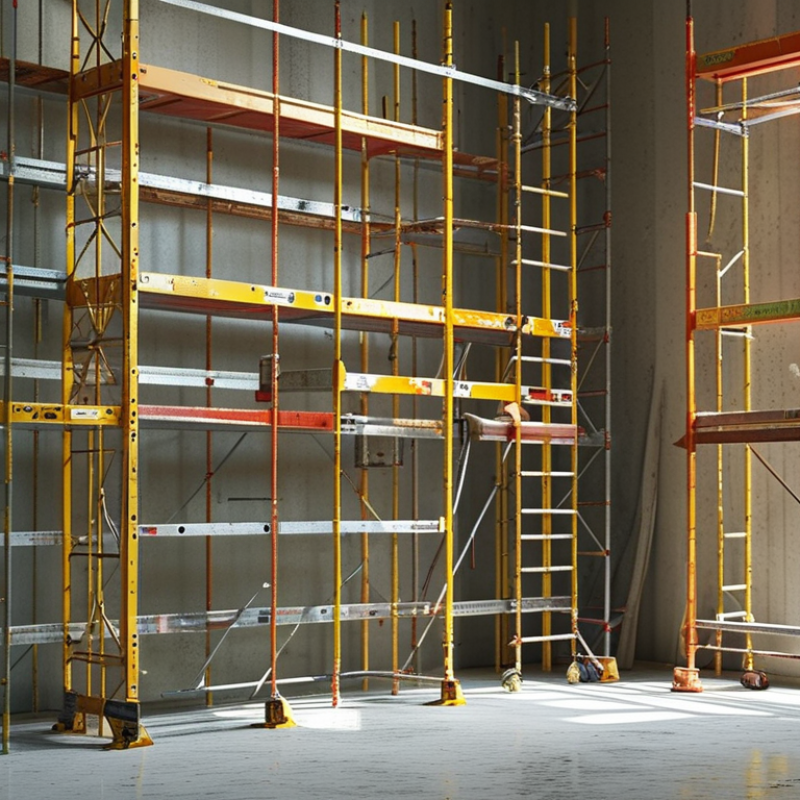
When selecting a scaffolding ladder, understanding the different types available is crucial. Common options include extension ladders, folding ladders, and multi-purpose ladders. According to a recent industry report, 47% of construction injuries are caused by falls. This highlights the importance of choosing the right ladder to ensure safety.
Extension ladders are ideal for high reach and come in various lengths. They are typically made from aluminum or fiberglass. Fiberglass ladders are preferred in environments with electrical risks, offering better protection. Folding ladders, compact and portable, are convenient for smaller projects. They offer multiple height settings and easy storage. However, they may not be as stable for larger tasks compared to extension ladders.
Multi-purpose ladders can transform into several configurations. They are versatile, serving various needs. However, this flexibility can lead to misuse if not properly understood. Industry experts recommend that users should receive training. Nearly 20% of ladder-related injuries result from improper use. Choosing the right type of ladder not only enhances safety but also improves project efficiency. Understanding the nuances between these types can help avoid potential pitfalls.
This chart illustrates the different types of scaffolding ladders available and their respective popularity based on user interest.
When choosing a scaffolding ladder, safety is paramount. Look for sturdy materials that can support your weight comfortably. Make sure the ladder is compliant with safety standards. A reliable ladder offers stability, reducing the risk of accidents. Tests on various models reveal that some ladders fail to meet basic safety requirements. This highlights the importance of thorough research.
Consider the ladder's height range. It should reach your desired working height without compromising stability. Adjustable ladders provide flexibility for different projects. But these can sometimes lack the robustness of fixed height models. Weigh the pros and cons based on your needs.
Portability is another key feature. A lightweight ladder is easier to transport, but don’t sacrifice strength. Some lightweight options wobble more than expected. It’s frustrating when a ladder doesn’t perform as intended. Always assess ladder performance under actual working conditions. Reliable user reviews can guide when making your choice.
When using scaffolding ladders, safety must always come first. Check your ladder for any defects before each use. Look for signs of wear or damage. A sturdy ladder reduces the chance of accidents. Always set it up on stable ground. Uneven surfaces can lead to tipping. If the ground is uneven, adjust the ladder's feet accordingly.
In addition to a sturdy setup, proper climbing technique is crucial. Keep your body centered and face the ladder when climbing. Avoid carrying heavy tools while ascending. Use a tool belt instead. Ensure you maintain three points of contact with the ladder at all times. This helps maintain balance and reduces the risk of falls.
Keep the work area tidy. Clutter can easily lead to slips or missteps. Be mindful of your surroundings. Watch out for overhead power lines and other hazards. Having a clear space can make a significant difference in preventing accidents. Even experienced users can overlook these steps. Regularly remind yourself of these safety tips. Safety should always be a priority on any project.
When choosing a scaffolding ladder, safety and reliability are paramount. Various brands offer unique features that enhance efficiency. Consider ladders with an anti-slip design. This simple feature can significantly reduce the risk of falls. A sturdy frame is also crucial. Look for materials that can endure heavy use while maintaining stability.
Pay attention to weight capacity. Each ladder has a limit. Ensure your choice can accommodate the user’s weight plus any tools or materials. Some ladders come with adjustable heights. This allows for versatility across different projects. Investing in a ladder with locks can provide extra stability while you work.
A tip for users is to regularly inspect your ladder for wear and tear. Ensure all hardware is intact and functioning. Dust and debris can accumulate, making rungs slippery. Cleaning the ladder after each use can prolong its lifespan. Reflect on your previous ladder experiences—what worked well, and what didn’t? Learning from these experiences enhances performance in future projects.
When selecting a scaffolding ladder for your next project, cost is often a significant factor. Numerous models are available, each with varying price points. A basic ladder may start at around $100, while more complex and sturdy options can exceed $500. The price reflects the materials used, stability features, and load capacity.
Understanding the differences in price can be tricky. Some ladders offer aluminum frames for lightweight handling, while others use steel for enhanced durability. Affordable models generally perform well for light tasks. However, for heavier jobs, investing in a more expensive option could pay off in stability and safety. Some users report that cheaper models wear out quickly, leading to safety concerns.
Many buyers also consider user reviews. Feedback can illuminate potential issues with specific models. Details like ease of assembly and portability matter. These factors can influence the overall experience but might not be reflected in the price. Evaluating these aspects ensures you pick a ladder that meets both your budget and project requirements. Prioritize your safety and the needs of your task when making your choice.
| Model | Height (ft) | Weight Capacity (lbs) | Price ($) | Material |
|---|---|---|---|---|
| Aluminum Scaffolding Ladder | 10 | 300 | 150 | Aluminum |
| Fiberglass Scaffolding Ladder | 12 | 350 | 200 | Fiberglass |
| Steel Scaffolding Ladder | 14 | 400 | 250 | Steel |
| Wooden Scaffolding Ladder | 10 | 250 | 100 | Wood |
„Thanks to the LUVIR technology, the solder resist process could be switched directly from the previously used mask exposure to direct exposure. As an outstanding digital solution on the market, this technology has been able to demonstrate fast process times and superior quality on our certified conventional ink in production. This allowed us to fully digitize the solder mask process at low cost – without process or ink adjustments. An excellent benefit to our production in Rot am See.“
Ralf Göhringer (Head of Production WE Rot am See)
I would definitely recommend the Limata machine and team for a future company purchase
Michael Greenaway
Compunetics Inc.
“The Limata ldi has been amazing!! Best thing we did was buy this machine”
Richard Brady
GM
Circuitlabs
“Since 2019, we have been running the Limata X1000 LDI system (including LUVIR for solder mask imaging) in daily production as an addition to our current process with film. The machine was capable of properly exposing Taiyo PSR-4000 BN (DI) solder mask types on normal to high-copper boards using a new and unique direct imaging process. The machine operating interface is very user friendly which allowed for a quick technical training curve. The pre-registration processing reduced several seconds of production time at every print. Limata support and service staff is incomparable. They supported our team every step of the way at basically any time of the day or night, with literally, an immediate response time, customizing the software interface to best fit our Operations and needs.
We have exposed more than 8,000 prints since end of October, on various solder mask colors and some resist film panels. Limata, has proven to be very capable and innovative. They are a strong contender in the industry.
We have very much enjoyed this project, and working with the team!
Thank you Limata for the continued support and being a part of our growth.”
Bill Sezate
Vice President, GM
Summit Interconnect
As a replacement to our current contact exposure process with film, the LIMATA X2000 system including LUVIR-Technology was capable of properly exposing non-LDI solder mask types using a direct imaging process. The machine offers cutting edge software with a very intuitive operating interface which allowed for quick technician training curve. The dual drawer system combined with pre-registration processing reduced several seconds of production time at every machine cycle. Limata support and service staff is world class. They added software patches to keep production running at shortest possible response times, customized the software interface to best fit our in-house Operations system, and even wrote a step-by-step machine processing manual. As a result of the project, we have exposed more than 16,000 times on various product types and solder mask brands/colors. Limata, in a very short timeframe as a company, has definitely shown they are truly innovative and will be challenging the industry of direct imaging for the top spot.
Kevin Beattie
Process Engineer
TTM Technologies
Forest Grove Division
