In today's fast-paced business environment, choosing the right equipment is crucial for efficiency and productivity. A Self Propel Transfer Car is an essential tool for various industries, from warehouses to manufacturing. This guide aims to help businesses make informed decisions when purchasing these vehicles.
Understanding the features and benefits of a Self Propel Transfer Car can be overwhelming. There are many models available, each with unique specifications. Factors like weight capacity, battery life, and maneuverability are key considerations. Businesses must also reflect on their specific needs to avoid costly mistakes.
While this guide provides valuable insights, it's important to remember that not all solutions fit every business. A Self Propel Transfer Car that works for one company may not be ideal for another. Thus, careful evaluation of your operational requirements is necessary for making the right decision.
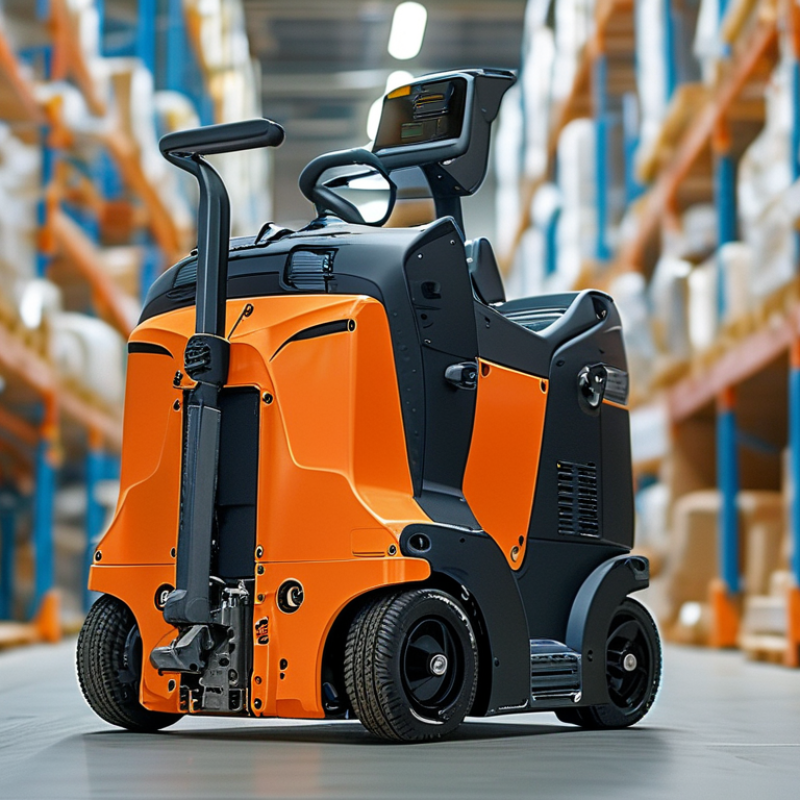
Self-propel transfer cars are essential for many businesses. They provide a safe and efficient way to move heavy loads within facilities. These vehicles are designed to handle various terrains, making them suitable for factories and warehouses. They are often used in manufacturing plants, logistics centers, and distribution hubs. The ability to transport goods quickly enhances productivity and reduces manual labor.
Understanding the applications of self-propel transfer cars is vital. They can streamline operations, cut down on transportation times, and minimize workplace injuries. Many companies rely on these vehicles for their flexibility. Users can customize them for specific tasks, like carrying pallets or equipment. However, not all businesses may recognize their full potential. Failing to train staff properly can lead to accidents or inefficient use. It’s crucial to evaluate how these vehicles can best fit your operational needs.
Consider the maintenance aspect. Regular checks ensure reliability and performance. A neglected vehicle can disrupt workflow. Businesses may think they save money by postponing repairs, but this approach could backfire. Investing in a well-maintained fleet pays off in the long run. Through understanding and proper management, self-propel transfer cars can significantly enhance operational efficiency.
When considering self-propelled transfer cars, several key features can enhance usability and efficiency. One important aspect is the weight capacity. Understanding your business's requirements ensures you choose a model that meets your needs. Look for cars that offer reliable options for moving heavy items. A car's speed and maneuverability are also crucial. Assess whether it can navigate tight spaces in your workspace.
Safety features should not be overlooked. Emergency brakes and stability systems can protect both equipment and personnel. Consider the ease of operation, especially for new users. Does the model provide intuitive controls? Additionally, think about durability. Investing in a robust vehicle means fewer repairs and longer service life. However, each model may have trade-offs, like increased weight or higher costs.
Budget is another vital factor. While some models seem cost-effective, hidden expenses may arise later. Maintenance should be realistic for your operational commitments. Always research and consult with experts, as they offer insights into durability and long-term performance. This information helps ensure your investment aligns with your business goals.
When searching for self-propelled transfer cars in 2026, it’s essential to consider top brands and models that lead the market. These vehicles are designed for efficiency and ease of use. Many businesses require reliable options that can enhance their operations. The right model can significantly impact productivity and reduce strain on workers.
In 2026, users will notice a range of innovative designs. Some brands emphasize durability, while others focus on advanced technology. It's crucial to balance these features. Businesses must evaluate how each model fits into their daily activities. Look beyond flashy specifications. Test the maneuverability and comfort during actual operations.
User feedback remains invaluable in this decision-making process. Many companies report issues with certain models but also highlight alternatives that exceeded expectations. Choosing wisely could prevent costly mistakes. Each choice should reflect specific business needs and work environments. Being informed leads to more confident purchasing decisions.
When budgeting for a self-propel transfer car, start by calculating your total cost. Consider the purchase price, maintenance, and fuel expenses. This vehicle might seem straightforward, yet costs can unexpectedly rise. Look beyond the initial price.
Tips: Always seek multiple quotes before deciding. Variation in pricing can reveal best options. Be ready for hidden fees or additional charges.
Next, factor in financing options. Leases may suit some businesses more than outright purchases. However, assess the long-term benefits versus short-term costs. This analysis often exposes where money is best utilized.
Tips: Review your cash flow and consider long-term financial health. A strict budget can prevent overspending. Invest time in researching potential financing partners. They may offer better rates.
| Model | Fuel Type | Load Capacity (lbs) | Price ($) | Maintenance Cost per Year ($) | Warranty (years) |
|---|---|---|---|---|---|
| Model A | Electric | 1500 | 25,000 | 500 | 3 |
| Model B | Gas | 2000 | 30,000 | 700 | 2 |
| Model C | Hybrid | 1800 | 28,000 | 600 | 4 |
| Model D | Electric | 1600 | 27,000 | 550 | 5 |
Self-propel transfer cars are essential in many businesses. These vehicles enhance efficiency in transporting goods. However, maintenance and safety should be a priority. According to industry reports, about 30% of accidents in warehouses involve improper vehicle use. Regular inspections can help lower these risks.
Routine maintenance checks are vital. Inspect brakes, tires, and battery levels consistently. A study shows that 70% of vehicle-related incidents occur due to inadequate maintenance. Proper training for operators is also crucial. Ensuring workers know how to use the vehicles safely can reduce accidents significantly.
Safety tips are not just about equipment. Establishing clear guidelines for the use of self-propel transfer cars is key. Create designated paths for these vehicles to follow. Utilizing visual signals improves communication within busy environments. Remember, complacency can lead to careless mistakes. Regularly reviewing safety protocols fosters a responsible culture. It’s important to encourage feedback from operators. Their insights can reveal hidden risks and inefficiencies.
„Thanks to the LUVIR technology, the solder resist process could be switched directly from the previously used mask exposure to direct exposure. As an outstanding digital solution on the market, this technology has been able to demonstrate fast process times and superior quality on our certified conventional ink in production. This allowed us to fully digitize the solder mask process at low cost – without process or ink adjustments. An excellent benefit to our production in Rot am See.“
Ralf Göhringer (Head of Production WE Rot am See)
I would definitely recommend the Limata machine and team for a future company purchase
Michael Greenaway
Compunetics Inc.
“The Limata ldi has been amazing!! Best thing we did was buy this machine”
Richard Brady
GM
Circuitlabs
“Since 2019, we have been running the Limata X1000 LDI system (including LUVIR for solder mask imaging) in daily production as an addition to our current process with film. The machine was capable of properly exposing Taiyo PSR-4000 BN (DI) solder mask types on normal to high-copper boards using a new and unique direct imaging process. The machine operating interface is very user friendly which allowed for a quick technical training curve. The pre-registration processing reduced several seconds of production time at every print. Limata support and service staff is incomparable. They supported our team every step of the way at basically any time of the day or night, with literally, an immediate response time, customizing the software interface to best fit our Operations and needs.
We have exposed more than 8,000 prints since end of October, on various solder mask colors and some resist film panels. Limata, has proven to be very capable and innovative. They are a strong contender in the industry.
We have very much enjoyed this project, and working with the team!
Thank you Limata for the continued support and being a part of our growth.”
Bill Sezate
Vice President, GM
Summit Interconnect
As a replacement to our current contact exposure process with film, the LIMATA X2000 system including LUVIR-Technology was capable of properly exposing non-LDI solder mask types using a direct imaging process. The machine offers cutting edge software with a very intuitive operating interface which allowed for quick technician training curve. The dual drawer system combined with pre-registration processing reduced several seconds of production time at every machine cycle. Limata support and service staff is world class. They added software patches to keep production running at shortest possible response times, customized the software interface to best fit our in-house Operations system, and even wrote a step-by-step machine processing manual. As a result of the project, we have exposed more than 16,000 times on various product types and solder mask brands/colors. Limata, in a very short timeframe as a company, has definitely shown they are truly innovative and will be challenging the industry of direct imaging for the top spot.
Kevin Beattie
Process Engineer
TTM Technologies
Forest Grove Division
