When it comes to optimizing your water filtration system, selecting the right Spin Down Filter is crucial. Industry expert, John Reynolds, emphasized, "A quality Spin Down Filter can significantly enhance the longevity of your plumbing and appliances." Understanding the specific needs of your system is essential.
Spin Down Filters are designed to catch larger particles, allowing finer filters to operate effectively. Users often overlook the significance of proper filtration. Many face challenges due to subpar choices that do not fit their unique requirements. An inadequate filter may lead to water damage or lower appliance efficiency.
Choosing a Spin Down Filter involves assessing several factors. The size, flow rate, and mesh micron rating impact performance. Customers frequently grapple with overwhelming options in the market. Reflecting on your specific needs can lead to a more suitable choice. Consider consulting with experts to avoid costly mistakes. Selecting the right filter is not just about immediate benefits; it's about long-term maintenance and efficiency.
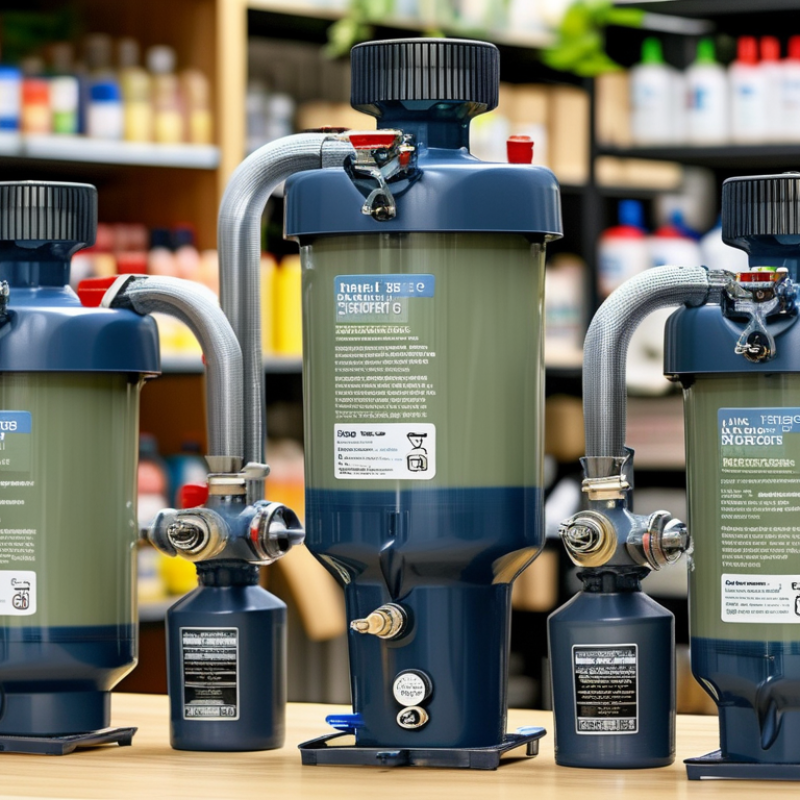
Spin down filters play a crucial role in maintaining equipment longevity. These devices are designed to remove sediment and debris from water systems. The functionality of a spin down filter relies on a simple mechanism: water enters, spins, and forces particles to the bottom. This design not only helps in filtering but also allows for easy cleaning and maintenance.
Industry reports indicate that sediment can lead to costly repairs, with machine downtime averaging $1,200 per hour in some sectors. Regularly utilizing spin down filters can significantly reduce these risks. A well-maintained filter can extend the life of downstream components, making it a valuable investment for any operation.
When selecting a spin down filter, consider the filtration rate and mesh size. Look for a filter that fits your system's specific needs. Many users overlook the importance of regular inspection. Checking for blockages ensures optimal performance. Investing in quality filtration can save you time and money in the long run.
| Filter Type | Micron Rating | Flow Rate (GPM) | Max Pressure (PSI) | Material |
|---|---|---|---|---|
| Standard Spin Down | 100 Micron | 10 GPM | 50 PSI | Plastic |
| Heavy Duty Spin Down | 50 Micron | 15 GPM | 75 PSI | Aluminum |
| Automatic Flush Spin Down | 200 Micron | 20 GPM | 60 PSI | Stainless Steel |
| Compact Spin Down | 150 Micron | 8 GPM | 40 PSI | PVC |
Spin down filters play a crucial role in water filtration systems by removing sediments and particulate matter. Understanding the various types can help you make an informed decision. There are typically three main types: self-cleaning, manual, and automatic filters. Each type has distinct features, catering to different needs.
Self-cleaning filters often employ automated functions. They utilize backwashing mechanisms, which can save time and effort. A study from the Water Quality Association revealed that self-cleaning systems can increase efficiency by up to 40% in high sediment areas. On the other hand, manual filters require periodic cleaning. Users must regularly remove the filter and clean it by hand. This type can be less expensive but demands more maintenance. For many, striking a balance between cost and labor is essential.
Automatic filters offer a combination of both. They can clean themselves and adjust to varying sediment loads. However, this complexity may lead to higher failure rates. An analysis indicated that while automatic systems can be convenient, 15% of users experienced maintenance issues within the first year. Understanding these nuances is vital for selecting the right fit for your filtration needs, particularly when considering factors like the volume of water and sediment levels.
This chart shows a comparison of different types of spin down filters based on their efficiency. The data indicates the percentage of efficiency for each filter type, helping you to make an informed decision based on your specific needs.
When selecting a spin down filter, several critical factors must be considered. The filtration efficiency is essential in any system. According to industry reports, filters with a mesh size of 80 to 200 microns are suitable for most residential applications. They can effectively remove larger debris while allowing water to flow freely. However, understanding the specific needs of your system is crucial. Underestimating the type of debris can lead to inefficient filtration.
The material of the filter is another key consideration. Many options are available: plastic, stainless steel, and fiberglass. Stainless steel filters, for example, offer superior corrosion resistance and longevity. Reports indicate that these filters often outlast others in harsh environments. However, cost and installation requirements may deter some users.
Flow rate should not be overlooked. A filter that restricts flow can lead to pressure drops and reduced system efficiency. Data from filtration studies show that maintaining a flow rate that matches your system's capacity is essential for optimal performance. Choosing a filter that strikes a balance between filtration efficiency and flow rate can be challenging. Users must often navigate trade-offs to find the perfect match for their needs.
When selecting a spin down filter, understanding the installation process is crucial. Begin by identifying the appropriate location within your plumbing system. Ideally, the filter should be installed close to the main water supply. This placement maximizes its efficiency and protects your home's pipes from debris. Ensure the filter is positioned in a way that allows for easy access when maintenance is needed.
Maintaining your spin down filter is essential for optimal performance. Regularly check the filter mesh for blockages. A clear mesh prevents water flow issues. Depending on your water quality, you may need to clean or replace the filter frequently. During cleaning, take care to follow the manufacturer’s guidelines, as improper handling can lead to problems. Consider keeping a maintenance log to track the filter's status; this can reveal patterns in performance or recurring issues.
Despite taking precautions, challenges may arise during usage. Filters can become clogged more quickly in areas with high sediment levels. This may necessitate more frequent maintenance. Monitor your system's performance and adjust maintenance schedules as needed. A thoughtful approach will enhance your filter’s longevity and reliability, ensuring clean water for your needs.
Spin down filters serve critical roles across various industries, including agriculture, food processing, and water treatment. Their primary function is to remove debris from water, preventing clogging in downstream equipment. In agriculture, for instance, effective filtration helps ensure irrigation systems function properly. According to industry reports, about 40% of crop loss can be attributed to inadequate filtration methods.
In food processing, maintaining water purity is crucial. Contaminants can affect the quality of products and ultimately consumer health. Regular use of spin down filters reduces maintenance costs and extends equipment life by minimizing sediment buildup. Studies show that facilities using proper filtration techniques report up to 25% less downtime due to equipment failures.
There is room for improvement in filter selection. Not all applications need the same filtration level. Understanding your specific requirements is vital. Failing to do so may lead to over-spending on higher-grade filters when simpler solutions suffice. Choose wisely based on your unique needs.
Observe how often you clean or replace filters. Some systems might require frequent maintenance, affecting overall efficiency. Regular assessments of your filtration process can save time and money. Rethink your current practices and look for lasting improvements in your filtration systems.
„Thanks to the LUVIR technology, the solder resist process could be switched directly from the previously used mask exposure to direct exposure. As an outstanding digital solution on the market, this technology has been able to demonstrate fast process times and superior quality on our certified conventional ink in production. This allowed us to fully digitize the solder mask process at low cost – without process or ink adjustments. An excellent benefit to our production in Rot am See.“
Ralf Göhringer (Head of Production WE Rot am See)
I would definitely recommend the Limata machine and team for a future company purchase
Michael Greenaway
Compunetics Inc.
“The Limata ldi has been amazing!! Best thing we did was buy this machine”
Richard Brady
GM
Circuitlabs
“Since 2019, we have been running the Limata X1000 LDI system (including LUVIR for solder mask imaging) in daily production as an addition to our current process with film. The machine was capable of properly exposing Taiyo PSR-4000 BN (DI) solder mask types on normal to high-copper boards using a new and unique direct imaging process. The machine operating interface is very user friendly which allowed for a quick technical training curve. The pre-registration processing reduced several seconds of production time at every print. Limata support and service staff is incomparable. They supported our team every step of the way at basically any time of the day or night, with literally, an immediate response time, customizing the software interface to best fit our Operations and needs.
We have exposed more than 8,000 prints since end of October, on various solder mask colors and some resist film panels. Limata, has proven to be very capable and innovative. They are a strong contender in the industry.
We have very much enjoyed this project, and working with the team!
Thank you Limata for the continued support and being a part of our growth.”
Bill Sezate
Vice President, GM
Summit Interconnect
As a replacement to our current contact exposure process with film, the LIMATA X2000 system including LUVIR-Technology was capable of properly exposing non-LDI solder mask types using a direct imaging process. The machine offers cutting edge software with a very intuitive operating interface which allowed for quick technician training curve. The dual drawer system combined with pre-registration processing reduced several seconds of production time at every machine cycle. Limata support and service staff is world class. They added software patches to keep production running at shortest possible response times, customized the software interface to best fit our in-house Operations system, and even wrote a step-by-step machine processing manual. As a result of the project, we have exposed more than 16,000 times on various product types and solder mask brands/colors. Limata, in a very short timeframe as a company, has definitely shown they are truly innovative and will be challenging the industry of direct imaging for the top spot.
Kevin Beattie
Process Engineer
TTM Technologies
Forest Grove Division
