In today's fast-paced digital world, protecting our electronic devices is crucial. A Surge Protective Device (SPD) can safeguard equipment from voltage spikes. SPDs come in various forms, making it essential to choose the right solution for your needs.
Global buyers face challenges when selecting SPDs. The market is saturated with options, but not all provide reliable protection. Some manufacturers focus solely on cost without considering quality. It’s important to evaluate features such as response time and energy absorption.
A good SPD should demonstrate durability and efficiency. Unfortunately, not all testing adheres to strict standards. This can lead to misunderstandings in performance. As a buyer, assessing reputation and certifications is vital. Ultimately, making an informed decision can prevent costly damages and ensure your devices remain safe.
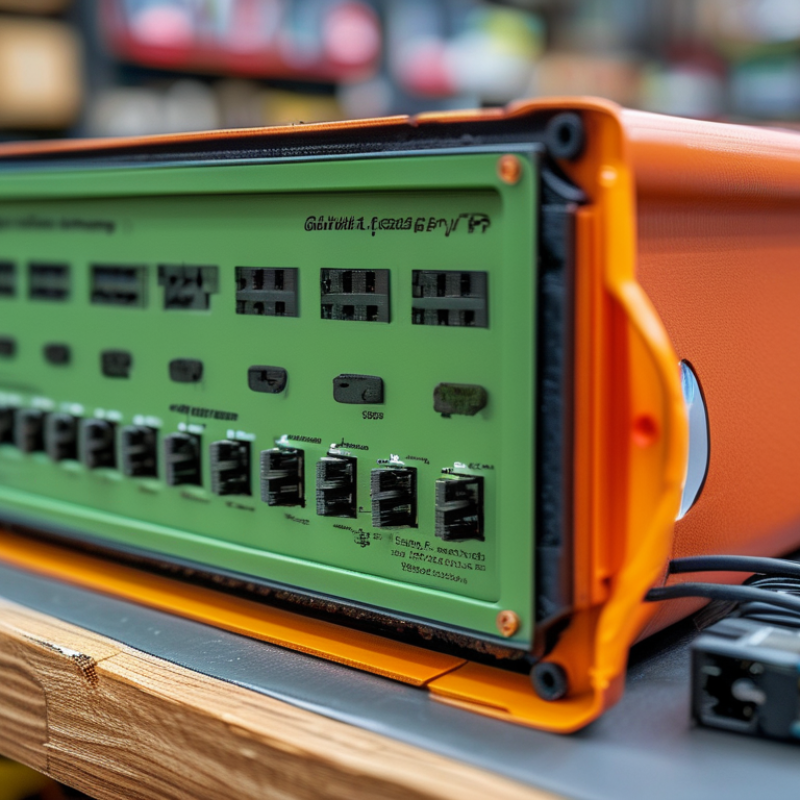
Surge Protective Devices (SPDs) play a crucial role in protecting electrical systems from transient surges. These surges can occur due to lightning strikes, power outages, or switching operations. A study by the IEEE indicates that lightning alone can generate surges exceeding 20,000 volts. Such surges can severely damage equipment, leading to costly downtime and repairs.
The importance of SPDs cannot be overstated. According to a report by the National Fire Protection Association, electrical surges account for 30% of commercial building fires. This highlights the necessity for proactive measures in surge protection. SPDs provide essential prevention, helping to safeguard sensitive electronics and maintain operational integrity.
Despite their significance, not all SPDs are created equal. Some may lack the necessary certification or fail to meet industry standards. It's essential for buyers to assess the reliability and testing of these devices. Engaging with knowledgeable suppliers can lead to better choices. Proper assessments and installations can be challenging, but they are vital for long-term effectiveness in surge protection.
Surge protective devices (SPDs) are essential in preventing electrical damage. Different types of SPDs serve distinct purposes. They can be classified into three main categories: Type 1, Type 2, and Type 3. Type 1 devices are installed at the main service panel. They protect against external surges. Type 2 devices are secondary protection units. These are installed downstream from the main panel, reducing the impact of residual surges. Lastly, Type 3 devices offer point-of-use protection. They are often used with sensitive equipment.
According to a report by the International Electrotechnical Commission, electrical surges cause billions in global damages annually. Effective SPDs mitigate these risks significantly. They can reduce potential data loss and equipment failure. This is particularly crucial for businesses relying on sensitive electronics. Installation can vary based on facility requirements. It’s vital to assess individual needs.
When selecting an SPD, consider factors like voltage rating and surge current capacity. Installation location is also critical. Ensure compatibility with your electrical system. Regular maintenance and testing of SPDs also play a vital role. After all, even the best devices require oversight to function optimally. Keeping detailed records of these inspections is advisable. It can help identify trends over time, promoting better maintenance strategies.
| Type of Surge Protective Device | Applications | Voltage Rating (V) | Maximum Surge Current (kA) | Installation Location |
|---|---|---|---|---|
| Type 1 SPD | Service Entrance Applications | 120/240 | 20 | Main Electrical Panel |
| Type 2 SPD | Branch Circuit Applications | 120/240 | 10 | Distribution Panels |
| Type 3 SPD | Point of Use Applications | 120 | 5 | Near Sensitive Equipment |
| Transistor Surge Protector | Electronic Devices | 5-30 | 3 | Inside Equipment |
| MOV based SPD | General Use | 120/240 | 20 | Main and Branch Circuits |
When selecting surge protective devices (SPDs), several key features are crucial for ensuring safety and performance. First, consider the voltage protection rating. It indicates the level of overvoltage that a device can handle. Higher ratings may not always be better; they might compromise device longevity or functionality. Assess your equipment's needs carefully to determine the appropriate rating.
Another essential feature is the response time. The quicker a device can react to a surge, the better it protects your equipment. Look for models with a fast response time, typically measured in nanoseconds. Installation ease also matters. Choose devices that are user-friendly, allowing for simple setup. Complex installations can increase the risk of errors.
Finally, think about the warranty offered. A robust warranty signifies the manufacturer’s confidence in their product. However, a shorter warranty period can suggest potential weaknesses. Transparency in performance specifications is vital as well. Manufacturers should provide clear data on how their products perform under various conditions. Always prioritize products backed by rigorous testing and industry certifications.
Surge protective devices (SPDs) are crucial in safeguarding electronic equipment from voltage spikes. Major global brands are dedicated to providing advanced surge protection solutions. According to a report by MarketsandMarkets, the surge protection market is projected to reach $2.36 billion by 2025. This growth is driven by rising demand in both industrial and residential settings.
Many top brands focus on innovation and reliability. Their products undergo rigorous testing to ensure effectiveness during power surges. A report by Allied Market Research highlights a growing trend towards smart technologies in surge protection. This includes features like remote monitoring and energy management. Such advancements enhance user experience, offering peace of mind.
**Tip:** Proper installation of SPDs can significantly reduce the risk of damage to sensitive electronics. Ensure that devices are placed close to the equipment they protect.
While the market shows great promise, not every solution is flawless. Some users report discrepancies in performance based on installation conditions. It's important to assess specific needs and seek expert guidance.
**Tip:** Regular maintenance checks on surge protectors can extend their lifespan and efficiency. Users should keep an eye on indicators and test functions periodically.
Implementing surge protective devices (SPDs) effectively requires careful consideration of the environment. For industrial settings, choosing the right type of SPD is crucial. Larger systems often experience high surge levels. Effective grounding and proper installation can mitigate significant risks. Regular inspections are necessary to ensure devices are functioning as intended.
In commercial environments, user education plays a vital role. Employees should understand how surges affect equipment. Simple training sessions can empower staff to recognize early signs of surge issues. This can prevent costly downtime and maintain productivity.
In residential applications, homeowners often overlook the importance of SPDs. They buy devices but lack knowledge on placement and usage. Ensuring that electrical panels receive adequate protection is essential. Yet, many fail to check if these devices are correctly installed and maintained. Regular maintenance checks can help identify potential failures early.
„Thanks to the LUVIR technology, the solder resist process could be switched directly from the previously used mask exposure to direct exposure. As an outstanding digital solution on the market, this technology has been able to demonstrate fast process times and superior quality on our certified conventional ink in production. This allowed us to fully digitize the solder mask process at low cost – without process or ink adjustments. An excellent benefit to our production in Rot am See.“
Ralf Göhringer (Head of Production WE Rot am See)
I would definitely recommend the Limata machine and team for a future company purchase
Michael Greenaway
Compunetics Inc.
“The Limata ldi has been amazing!! Best thing we did was buy this machine”
Richard Brady
GM
Circuitlabs
“Since 2019, we have been running the Limata X1000 LDI system (including LUVIR for solder mask imaging) in daily production as an addition to our current process with film. The machine was capable of properly exposing Taiyo PSR-4000 BN (DI) solder mask types on normal to high-copper boards using a new and unique direct imaging process. The machine operating interface is very user friendly which allowed for a quick technical training curve. The pre-registration processing reduced several seconds of production time at every print. Limata support and service staff is incomparable. They supported our team every step of the way at basically any time of the day or night, with literally, an immediate response time, customizing the software interface to best fit our Operations and needs.
We have exposed more than 8,000 prints since end of October, on various solder mask colors and some resist film panels. Limata, has proven to be very capable and innovative. They are a strong contender in the industry.
We have very much enjoyed this project, and working with the team!
Thank you Limata for the continued support and being a part of our growth.”
Bill Sezate
Vice President, GM
Summit Interconnect
As a replacement to our current contact exposure process with film, the LIMATA X2000 system including LUVIR-Technology was capable of properly exposing non-LDI solder mask types using a direct imaging process. The machine offers cutting edge software with a very intuitive operating interface which allowed for quick technician training curve. The dual drawer system combined with pre-registration processing reduced several seconds of production time at every machine cycle. Limata support and service staff is world class. They added software patches to keep production running at shortest possible response times, customized the software interface to best fit our in-house Operations system, and even wrote a step-by-step machine processing manual. As a result of the project, we have exposed more than 16,000 times on various product types and solder mask brands/colors. Limata, in a very short timeframe as a company, has definitely shown they are truly innovative and will be challenging the industry of direct imaging for the top spot.
Kevin Beattie
Process Engineer
TTM Technologies
Forest Grove Division
