When selecting the best Temperature Humidity Test Chamber, buyers face numerous challenges. The market is diverse, with various options available. Understanding the unique features of each chamber is vital.
Temperature Humidity Test Chambers are essential for industries like electronics, pharmaceuticals, and food processing. These chambers simulate environmental conditions to test product durability. However, not all chambers are created equal. Some may fail to meet specific standards or requirements. Buyers should be aware of these discrepancies.
Furthermore, selecting the right chamber requires both experience and expertise. Evaluating technical specifications can be overwhelming. Inexperienced buyers might overlook crucial details that could impact testing outcomes. Therefore, conducting thorough research and seeking expert advice is critical for ensuring reliable purchases.
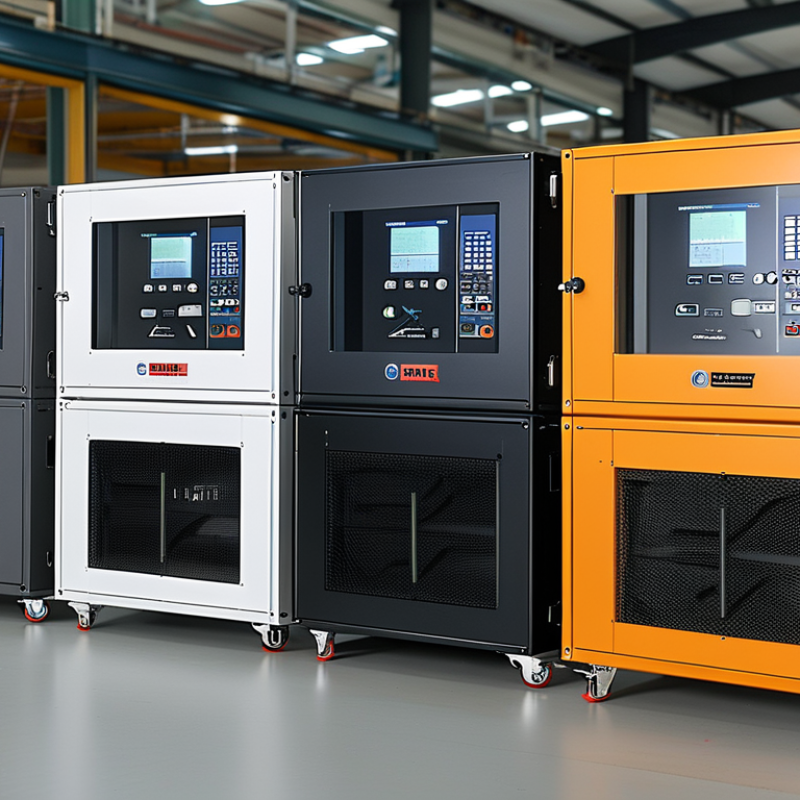
When selecting the best temperature humidity test chamber, you will encounter various models, each with unique features. These chambers play a crucial role in simulating environmental conditions for testing materials. They ensure accuracy in temperature and humidity levels, which is vital for many industries, including electronics, pharmaceuticals, and automotive.
Popular models often integrate advanced technology for precise control. This allows researchers to replicate specific climates or stress conditions. However, it's essential to consider factors like chamber size and energy efficiency. Some models may lack adequate insulation, leading to fluctuations in readings. Such issues can compromise test results and require careful evaluation.
Choosing the right test chamber demands attention to detail. Evaluate how easy it is to operate and maintain. User-friendly interfaces contribute to more reliable results. Seek chambers with robust safety features and consistency, as this can mitigate risks during experiments. In a landscape filled with options, remaining critical will ensure you find a chamber that meets your needs effectively.
When choosing a temperature humidity test chamber for global use, several key features deserve attention. Begin with size and capacity. A chamber must accommodate the specific items to be tested. Oversized chambers waste energy, while too small units limit testing options. Carefully consider dimensions to optimize performance.
Next, focus on control systems. An intuitive interface is essential for ease of use. Look for features such as programmable settings and precise monitoring capabilities. Some chambers offer advanced data logging options. This is valuable for tracking changes over time. Ensure that the system includes alerts for temperature or humidity fluctuations.
Lastly, examine the construction materials. Durable materials enhance longevity and ensure reliability. Chambers should have robust insulation to maintain stable conditions. However, this can lead to increased weight. Balance is key; a heavy unit may be cumbersome to move. Reflect on these aspects to find a chamber that meets your needs effectively.
The temperature humidity test chamber market is evolving. A few key manufacturers dominate the sector. Each offers unique features that cater to various testing requirements. Their market shares reflect their innovations and reliability in production.
Leading companies focus on building advanced chambers capable of simulating diverse environmental conditions. These manufacturers invest heavily in research. They strive to improve user experience and chamber performance. However, not all products meet expectations, which is a critical consideration for buyers. The industry faces challenges in maintaining quality control and ensuring longevity.
Consumer feedback reveals that while many chambers provide excellent climate simulation, some experience calibration issues. Buyers should thoroughly assess their needs before purchasing. As the market grows, new entrants could disrupt established players. This uncertainty can make choosing the right product daunting. Reliable performance and trustworthiness remain essential in making informed decisions.
When selecting a temperature and humidity test chamber, understanding its technical specifications is crucial. These chambers are designed to simulate various environmental conditions. They produce a controlled atmosphere to test how products respond to temperature fluctuations and humidity levels. The typical temperature range for these chambers usually falls between -40°C to 100°C. However, specific models can exceed these limits depending on their intended use.
Humidity levels often range from 20% to 95% RH. This variability allows for realistic testing scenarios. Yet, maintaining precise control over these factors can be challenging. Some chambers struggle to achieve exact humidity percentages consistently, leading to skewed results. Users must be aware that fluctuating conditions can impact test validity. Therefore, assess the chamber’s specifications thoroughly. Look for features like rapid recovery times and accuracy in readings.
Flexibility in temperature settings also plays a vital role. It can determine how well a product might perform in real-world scenarios. Some test chambers lack comprehensive ranges, limiting their applications. Choose a model that fits your specific testing needs. It’s important to keep in mind that while manufacturers provide performance data, real-world results can differ.
| Model | Temperature Range (°C) | Humidity Range (% RH) | Volume (L) | Power Supply (V) | Key Features |
|---|---|---|---|---|---|
| Model A | -40 to 150 | 20 to 98 | 500 | 220 | Rapid cooling, user-friendly interface |
| Model B | -20 to 100 | 10 to 90 | 300 | 110 | Energy efficient, compact design |
| Model C | 0 to 70 | 30 to 85 | 400 | 230 | Multi-functional, touchscreen control |
| Model D | -10 to 80 | 5 to 95 | 600 | 220 | Robust build, advanced safety features |
Temperature and humidity test chambers play a crucial role in various industries. In electronics, these chambers simulate environmental conditions. They help manufacturers understand how products react to heat and moisture. Observing performance under stress is vital. It leads to improvements in design and longevity.
Pharmaceuticals also heavily rely on accurate testing. Drug stability is impacted by temperature and humidity. Test chambers ensure that medicines remain effective over time. They help in compliance with industry regulations. However, it’s essential to regularly calibrate these chambers for reliable results. Neglecting this could lead to flawed data and potential safety concerns.
In addition, the food industry benefits from these tests. It aids in understanding how packaging materials perform under harsh conditions. While companies invest in advanced technology, many still face challenges in consistent monitoring. Proper training for staff is often overlooked. This can result in errors that affect product quality. There is always room for improvement in procedures and practices.
„Thanks to the LUVIR technology, the solder resist process could be switched directly from the previously used mask exposure to direct exposure. As an outstanding digital solution on the market, this technology has been able to demonstrate fast process times and superior quality on our certified conventional ink in production. This allowed us to fully digitize the solder mask process at low cost – without process or ink adjustments. An excellent benefit to our production in Rot am See.“
Ralf Göhringer (Head of Production WE Rot am See)
I would definitely recommend the Limata machine and team for a future company purchase
Michael Greenaway
Compunetics Inc.
“The Limata ldi has been amazing!! Best thing we did was buy this machine”
Richard Brady
GM
Circuitlabs
“Since 2019, we have been running the Limata X1000 LDI system (including LUVIR for solder mask imaging) in daily production as an addition to our current process with film. The machine was capable of properly exposing Taiyo PSR-4000 BN (DI) solder mask types on normal to high-copper boards using a new and unique direct imaging process. The machine operating interface is very user friendly which allowed for a quick technical training curve. The pre-registration processing reduced several seconds of production time at every print. Limata support and service staff is incomparable. They supported our team every step of the way at basically any time of the day or night, with literally, an immediate response time, customizing the software interface to best fit our Operations and needs.
We have exposed more than 8,000 prints since end of October, on various solder mask colors and some resist film panels. Limata, has proven to be very capable and innovative. They are a strong contender in the industry.
We have very much enjoyed this project, and working with the team!
Thank you Limata for the continued support and being a part of our growth.”
Bill Sezate
Vice President, GM
Summit Interconnect
As a replacement to our current contact exposure process with film, the LIMATA X2000 system including LUVIR-Technology was capable of properly exposing non-LDI solder mask types using a direct imaging process. The machine offers cutting edge software with a very intuitive operating interface which allowed for quick technician training curve. The dual drawer system combined with pre-registration processing reduced several seconds of production time at every machine cycle. Limata support and service staff is world class. They added software patches to keep production running at shortest possible response times, customized the software interface to best fit our in-house Operations system, and even wrote a step-by-step machine processing manual. As a result of the project, we have exposed more than 16,000 times on various product types and solder mask brands/colors. Limata, in a very short timeframe as a company, has definitely shown they are truly innovative and will be challenging the industry of direct imaging for the top spot.
Kevin Beattie
Process Engineer
TTM Technologies
Forest Grove Division
