Accurate measurements in electrical systems are crucial for optimal performance. A Three phase Current transformer plays a vital role in achieving this accuracy. The global demand for reliable power metering systems has led to better transformer technology. According to a recent industry report, the market for current transformers is projected to reach $2.1 billion by 2025, growing at a CAGR of 6.5%. This indicates a strong dependence on advanced transformers in industrial applications.
Choosing the best Three Phase Current Transformer is essential. Features such as precision, stability, and sensitivity directly affect measurement accuracy. Some models are rated for specific applications, where even minor errors can lead to significant issues. Manufacturers often claim high accuracy levels. Yet, not all products deliver as promised. Users must research thoroughly to avoid purchasing underperforming transformers.
The reliability of measurements impacts operational efficiency and cost management. Without accurate data, businesses face potential losses. As more industries adopt smart grid technologies, the need for precise measurement becomes even more pressing. Understanding the characteristics of various Three Phase Current Transformers is crucial for making informed choices. This knowledge can help mitigate risks and enhance overall system performance.
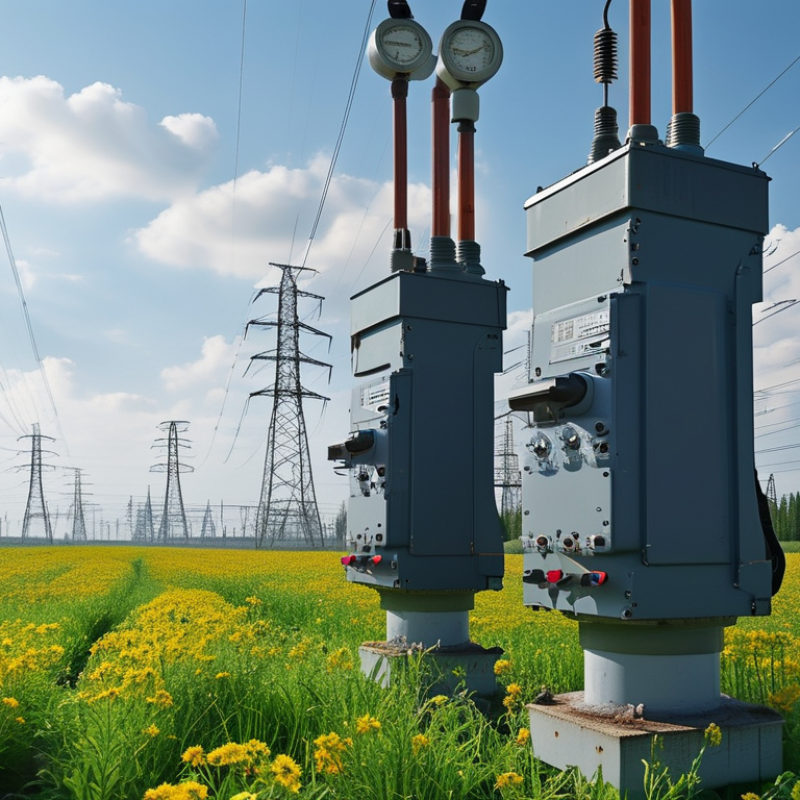
Three-phase current transformers (CTs) play a critical role in electrical measurements. They help monitor and manage power distribution efficiently. These devices convert high currents into manageable levels. This allows for safe and accurate measurement. Understanding their functionality is essential for anyone working in the electrical field.
When selecting a CT, consider its accuracy and reliability. The measurement error can impact performance. Ensure you choose a transformer that aligns with your system requirements. Measurements should be checked regularly. This ensures ongoing reliability and optimal performance.
Tips: Regular maintenance is key. Inspect connections and wiring for wear and tear. Use a multimeter periodically to verify accuracy. Consider environmental factors as well. External conditions can affect measurements. Choose CTs with appropriate ratings for your environment. Make informed decisions based on accurate data.
| Model | Current Rating (A) | Accuracy Class | Burden (VA) | Dimensions (mm) |
|---|---|---|---|---|
| CT-1000 | 1000 | 0.5 | 5 VA | 80 x 80 x 150 |
| CT-2000 | 2000 | 0.5 | 10 VA | 90 x 90 x 180 |
| CT-3000 | 3000 | 0.2 | 15 VA | 100 x 100 x 200 |
| CT-4000 | 4000 | 0.2 | 20 VA | 110 x 110 x 220 |
When selecting a three-phase current transformer, accuracy is key. Accurate measurements in current transformers depend on several critical features. These include a high turn ratio, appropriate frequency response, and low phase shift. A high turn ratio boosts the current signal for better readings. The frequency response must align with the operational range for precise data. Low phase shift ensures that the output current closely follows the input current.
Tips: Always verify the accuracy rating provided by the manufacturer. Consider the application demands; specifics like load types can influence performance. Additionally, ensure proper installation to avoid measurement errors.
When choosing a three-phase current transformer, understanding the types available is crucial. There are two main categories: window-type and bar-type transformers. Window-type transformers allow you to clamp around the conductors. They are often used in retrofit applications. Bar-type transformers are integrated into the electrical panel. They measure current directly in a more compact space.
Another option is split-core transformers. These can be opened to fit around existing wires. They provide flexibility for installation, especially in tight spaces. Residual current transformers focus on detecting imbalances, ensuring safety and protection. Their role in protecting equipment cannot be overstated.
**Tip:** Always prioritize installation ease and the specific application when selecting a transformer. A poor fit can lead to measurement inaccuracies. Ensure the current rating aligns with your system's needs. Additionally, consider the transformer’s burden rating. A mismatched burden can skew readings, affecting reliability.
Current transformers (CTs) play a crucial role in electrical systems, especially in three-phase setups. Their performance significantly hinges on several factors. Core material is key. Different materials exhibit varying magnetic properties. A transformer with a high-quality core can reduce losses. This results in better accuracy in current measurements.
The burden on a CT also affects its performance. Higher loads can lead to errors in readings. Precise matching of the CT to the measurement device is essential. Calibration is another critical aspect. Regular checks can identify drift in accuracy. Neglecting this can result in misleading measurements and significant implications for system control.
Temperature fluctuations pose another challenge. Extreme conditions may alter the impedance characteristics of a transformer. It’s vital to consider the environment and select appropriate transformers for specific conditions. Regular maintenance can help. However, many overlook this aspect, leading to potential system failures. Understanding these factors can lead to better selection and use of three-phase current transformers.
Three-phase current transformers play a crucial role in various industries, ensuring accurate measurements in power management. Designed to handle high voltage levels, these transformers are essential in applications ranging from electric utilities to manufacturing plants. In fact, according to recent industry reports, improper measurements can lead to energy losses of up to 10%. This highlights the necessity of having reliable current transformers.
In the field of renewable energy, three-phase transformers are widely used in systems like wind and solar power generation. These applications demand precise data to optimize energy output and maintain stability. Adhering to industry standards, like IEEE C57, ensures that devices meet safety and performance criteria. Nevertheless, the integration of these transformers often encounters challenges, such as installation errors or miscalculations during configuration.
Understanding the various specifications of three-phase transformers is crucial. Factors like burden rating and accuracy class can significantly influence performance. Reports indicate that transformers with a higher accuracy class can minimize measurement errors. However, the quest for perfection may sometimes lead to overlooking fundamental issues, like wire connections or environmental factors affecting readings. Continuous evaluation and adaptability are key for achieving optimal performance in every application.
„Thanks to the LUVIR technology, the solder resist process could be switched directly from the previously used mask exposure to direct exposure. As an outstanding digital solution on the market, this technology has been able to demonstrate fast process times and superior quality on our certified conventional ink in production. This allowed us to fully digitize the solder mask process at low cost – without process or ink adjustments. An excellent benefit to our production in Rot am See.“
Ralf Göhringer (Head of Production WE Rot am See)
I would definitely recommend the Limata machine and team for a future company purchase
Michael Greenaway
Compunetics Inc.
“The Limata ldi has been amazing!! Best thing we did was buy this machine”
Richard Brady
GM
Circuitlabs
“Since 2019, we have been running the Limata X1000 LDI system (including LUVIR for solder mask imaging) in daily production as an addition to our current process with film. The machine was capable of properly exposing Taiyo PSR-4000 BN (DI) solder mask types on normal to high-copper boards using a new and unique direct imaging process. The machine operating interface is very user friendly which allowed for a quick technical training curve. The pre-registration processing reduced several seconds of production time at every print. Limata support and service staff is incomparable. They supported our team every step of the way at basically any time of the day or night, with literally, an immediate response time, customizing the software interface to best fit our Operations and needs.
We have exposed more than 8,000 prints since end of October, on various solder mask colors and some resist film panels. Limata, has proven to be very capable and innovative. They are a strong contender in the industry.
We have very much enjoyed this project, and working with the team!
Thank you Limata for the continued support and being a part of our growth.”
Bill Sezate
Vice President, GM
Summit Interconnect
As a replacement to our current contact exposure process with film, the LIMATA X2000 system including LUVIR-Technology was capable of properly exposing non-LDI solder mask types using a direct imaging process. The machine offers cutting edge software with a very intuitive operating interface which allowed for quick technician training curve. The dual drawer system combined with pre-registration processing reduced several seconds of production time at every machine cycle. Limata support and service staff is world class. They added software patches to keep production running at shortest possible response times, customized the software interface to best fit our in-house Operations system, and even wrote a step-by-step machine processing manual. As a result of the project, we have exposed more than 16,000 times on various product types and solder mask brands/colors. Limata, in a very short timeframe as a company, has definitely shown they are truly innovative and will be challenging the industry of direct imaging for the top spot.
Kevin Beattie
Process Engineer
TTM Technologies
Forest Grove Division
