Choosing the right Water Purification System is not a simple matter of comparing prices or filter counts. Global buyers face different water conditions, regulations, budgets, and maintenance realities. A compact reverse osmosis unit may suit an apartment in Dubai, while a durable ultrafiltration system may work better for a rural clinic in Southeast Asia. The best choice depends on evidence.
Water quality can change within a few streets. A clear glass may still contain dissolved salts, heavy metals, microorganisms, or agricultural residues. Buyers should examine laboratory water reports, daily capacity, rejection rates, replacement costs, power requirements, and local service availability. Certifications matter, but they should match the actual contaminant risks. A familiar label is not proof of universal performance.
Dr. Peter Gleick, co-founder of the Pacific Institute and a respected water expert, has said, “The world’s water crisis is not a crisis of scarcity, but a crisis of management.” His observation applies directly to household, commercial, and industrial purification decisions. Poor maintenance can undermine an excellent machine. Filters clog. Pumps weaken. Storage tanks collect sediment.
This guide reviews seven leading Water Purification System options for global buyers. It considers performance, operating conditions, installation demands, ownership costs, and practical after-sales support. Some systems appear impressive on paper but disappoint in remote locations. That limitation deserves attention. There is no perfect solution, only a more defensible match between water quality, user needs, and long-term responsibility.
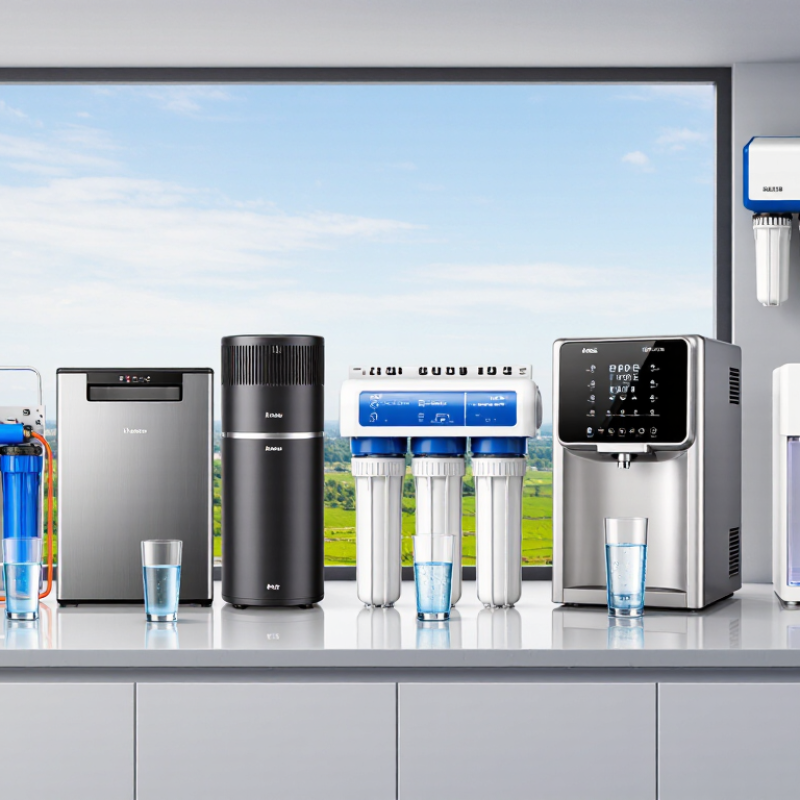
7 Best Water Purification Systems for Global Buyers
Water purification systems remove or reduce physical, chemical, and biological contaminants. Their purpose depends on the incoming water, not only the filter label. The WHO/UNICEF Joint Monitoring Programme reported that 2.2 billion people lacked safely managed drinking water in 2022. That gap makes reliable treatment important in homes, factories, clinics, and remote communities. However, one design cannot solve every water problem.
A practical system may begin with sediment filtration for sand and rust. Activated carbon can reduce chlorine, odors, and some organic chemicals. Ultrafiltration targets bacteria and suspended particles, while reverse osmosis reduces dissolved salts and many metals. Ultraviolet treatment can inactivate microorganisms, but it needs clear water and stable electricity. The WHO Guidelines for Drinking-water Quality stress risk-based control from source to consumer, rather than relying on one device.
Water chemistry changes everything.
Global buyers should test source water, daily demand, pressure, temperature, and wastewater limits before selecting equipment. The 2024 United Nations World Water Development Report notes that agriculture accounts for roughly 70% of global freshwater withdrawals. This increases pressure on efficient treatment and reuse planning. In field use, neglected membrane cleaning often reduces performance faster than expected. That is an uncomfortable point. A cheaper system may appear efficient, yet replacement parts, energy use, and operator training can define its real cost. Reliability also depends on documented testing, maintenance records, and clear contaminant claims.
Water Purification Systems: Purpose, Scope, and Core Technologies
| System Type | Primary Purpose | Core Technology | Typical Contaminant Reduction | Main Limitations | Typical Water Recovery or Output | Energy Requirement | Maintenance Needs | Best-Fit Applications |
|---|---|---|---|---|---|---|---|---|
| 1. Sediment Filtration | Protects downstream treatment equipment and improves water clarity by removing suspended particles. | Depth filtration or surface filtration through porous media, commonly rated from approximately 1 to 50 micrometres. | Sand, silt, rust particles, dirt, pipe scale, and other suspended solids. | Does not reliably remove dissolved salts, dissolved metals, pesticides, viruses, or most chemicals. | Usually near 100% water recovery, excluding filter flushing and replacement losses. | No direct electricity is normally required; pressure loss increases as the filter loads. | Replace or clean the filter when pressure drops, flow decreases, or the filter becomes visibly fouled. | Pre-treatment Well water Rainwater Whole-house systems |
| 2. Activated Carbon Filtration | Improves taste and odor while reducing chlorine and selected organic compounds. | Adsorption onto granular activated carbon or carbon-block media; some carbon blocks also provide physical filtration. | Free chlorine, unpleasant tastes and odors, and many organic chemicals. Performance depends on contact time and carbon quality. | Generally does not remove hardness, dissolved salts, nitrate, or microorganisms reliably unless specifically certified for those contaminants. | Typically near 100% recovery; flow depends on media size, pressure, and contact time. | No direct electricity is normally required. | Replace media on a scheduled basis or when taste, odor, flow, or tested performance deteriorates. Carbon can support bacterial growth if neglected. | Municipal water Point-of-use drinking water Chlorine reduction |
| 3. Ultraviolet Disinfection | Inactivates microorganisms without adding disinfectant chemicals to the treated water. | UV-C light damages the genetic material of microorganisms. A commonly used drinking-water design target is at least 40 mJ/cm², subject to local requirements. | Bacteria, viruses, and protozoa when the correct UV dose and sufficient lamp intensity are maintained. | Does not remove particles, salts, metals, chemicals, or odor. Turbid or highly colored water can shield microorganisms. It leaves no lasting disinfectant residual. | Nearly 100% water recovery with continuous flow through the chamber. | Low electricity consumption, commonly tens of watts for household units; commercial demand varies with flow and dose. | Clean the quartz sleeve, replace the lamp according to the operating schedule, and verify lamp intensity or dose where monitoring is available. | Private wells Rainwater systems Microbial control Clear water |
| 4. Ultrafiltration Membrane | Removes fine suspended matter and many microorganisms while retaining most dissolved minerals. | Pressure-driven membrane separation with pore sizes commonly around 0.01 micrometres. | Suspended solids, colloids, bacteria, and protozoa; virus removal varies by membrane rating, integrity, and operating conditions. | Does not substantially reduce dissolved salts, hardness, nitrate, or many low-molecular-weight chemicals. | Commonly about 85–98% recovery, depending on the flushing design and feed-water quality. | Usually low electricity demand because it operates at relatively low pressure; a pump may be required. | Periodic backwashing or flushing is required. Membranes may need chemical cleaning or replacement when fouling becomes excessive. | Surface water Community systems Pre-treatment for RO Mineral retention |
| 5. Reverse Osmosis | Produces low-total-dissolved-solids water for drinking, process use, and sensitive equipment. | High-pressure water movement across a semipermeable membrane. The membrane rejects dissolved ions and many contaminants. | Typically reduces total dissolved solids by approximately 95–99%, including many salts, fluoride, nitrate, arsenic species, and heavy metals when properly designed. | Requires adequate pre-treatment. It produces a reject stream, removes beneficial minerals, and performance varies with pressure, temperature, pH, and feed-water chemistry. | Point-of-use units commonly recover approximately 15–35%; larger optimized systems may achieve substantially higher recovery. | Requires pressurized operation. Household systems often operate around 3–8 bar, with energy use depending on pressure, pump efficiency, and recovery. | Replace sediment and carbon pre-filters, sanitize the system, monitor product quality, and replace the membrane when rejection declines. | High-TDS water Desalination Drinking water Laboratories |
| 6. Distillation | Produces highly purified water by separating water from many non-volatile dissolved substances. | Evaporation followed by condensation. Volatile contaminants may require additional carbon treatment or specialized controls. | Dissolved salts, many heavy metals, bacteria, viruses, and other non-volatile contaminants. | High heat and energy demand; some volatile organic compounds can carry over unless the system is properly designed. | Water recovery is commonly about 70–90% in small units, with the remainder retained as concentrated residue or lost during operation. | High energy demand. Small electric units commonly use roughly 0.7–1.0 kWh per litre, depending on design and operating conditions. | Remove scale and residue from the boiling chamber, replace any post-treatment carbon, and clean the condenser as specified. | Small-volume high-purity water Emergency use Remote locations High-mineral feed water |
| 7. Ion-Exchange Water Softening | Reduces hardness to prevent scale formation in pipes, heaters, boilers, and appliances. | Resin beads exchange calcium and magnesium ions for sodium or, in some designs, hydrogen ions. | Calcium and magnesium hardness; specialized resins can target selected contaminants such as nitrate or certain metals. | Does not disinfect water and does not generally remove the full range of dissolved salts, particles, or organic chemicals. Sodium concentration can increase after softening. | Nearly 100% recovery during service operation, with additional water used during regeneration and rinsing. | Low electricity use for control valves and metering; salt-based systems require periodic regeneration. | Refill regenerant, clean and inspect the brine tank, monitor hardness leakage, and maintain the control valve. | Hard water Boiler protection Household plumbing Industrial pre-treatment |
Selection note: Actual performance depends on feed-water quality, flow rate, pressure, temperature, membrane or media condition, installation design, and local drinking-water regulations. Buyers should confirm contaminant-specific performance through independent certification, laboratory testing, and a current water analysis before selecting a system.
Comparing water purification systems worldwide requires more than checking advertised removal rates. The WHO and UNICEF Joint Monitoring Programme reported that 2.2 billion people lacked safely managed drinking water in 2022. This figure makes local water quality the starting point. Test for microbes, arsenic, fluoride, nitrates, salinity, and sediment before choosing equipment. A system effective in a European apartment may fail beside a saline coastal well.
Evaluate performance under real conditions. Compare certified reduction claims, daily capacity, flow rate, recovery ratio, electricity use, and replacement intervals. Standards such as NSF/ANSI 42, 53, and 58 can support clearer comparisons, but certification scope matters. It may cover one contaminant, not every risk. The WHO Guidelines for Drinking-water Quality also emphasize health-based targets and regular monitoring. Buyers should request laboratory results, not only sales brochures. A neat specification sheet can still mislead.
Tips: Calculate total ownership cost for five years. Include filters, membranes, testing, transport, storage, and technician visits. Check whether replacement parts are available locally. In remote areas, a lower-flow gravity system may outperform a sophisticated unit with no service support. The World Bank’s Water Global Practice repeatedly links reliable water services with strong operation and maintenance. That point is easy to overlook. Even experienced buyers can overvalue advanced technology and undervalue daily usability. Choose measurable protection, practical maintenance, and evidence that fits the actual water source.
Seven Leading Water Purification Systems for Global Buyers
Global buyers face different water risks, from muddy wells to salty coastal supplies. The WHO/UNICEF Joint Monitoring Programme reported that 2.2 billion people lacked safely managed drinking water in 2022. That figure makes source testing essential before selecting equipment. Sediment filters remove sand and rust. Activated carbon reduces chlorine, odors, and some organic chemicals. Ultrafiltration targets suspended particles and many microorganisms. Reverse osmosis reduces dissolved salts, metals, and other contaminants. Ultraviolet treatment inactivates microorganisms without adding chemicals. Distillation uses heat for high-purity water, while nanofiltration offers a middle option.
Choose by evidence.
The WHO Guidelines for Drinking-water Quality recommend risk-based control from source to consumer. Buyers should request independent laboratory results, flow-rate data, and replacement schedules. NSF/ANSI drinking-water standards can help verify material safety and performance claims. In practical installations, a pressure gauge, transparent prefilter, and accessible drain simplify maintenance. Reverse osmosis can waste water and consume electricity, especially with poor pressure. UV systems need clear water and reliable power. These limits are easy to overlook.
The World Bank’s 2023 water resources reporting also highlights growing stress on freshwater supplies. Therefore, efficient recovery and safe wastewater handling matter during procurement. A compact household unit may suit a city apartment, but not a village clinic. Local technicians, spare-part availability, and climate conditions deserve equal attention. Specifications alone can mislead. Even well-designed systems need regular testing, because filters age and source water changes.
This comparison shows representative midpoint performance values commonly reported for major purification technologies. Actual results vary according to water quality, system design, operating conditions, and maintenance.
Choosing among seven water purification systems starts with the water source, not the product label. Municipal water may need activated carbon for chlorine taste and sediment filtration for visible particles. Private wells require laboratory testing because iron, hardness, nitrate, or bacteria may be present. Test before choosing.
Reverse osmosis can reduce many dissolved contaminants, but it needs pressure, regular filter changes, and wastewater management. Ultraviolet treatment can control microorganisms when water is clear, yet it does not remove chemicals or muddy particles. Ceramic filtration suits households needing particle and microbial reduction, while ultrafiltration offers a lower-waste option for some sources. Distillation can produce highly purified water, although its energy use may limit daily practicality. Needs vary.
For a small apartment, a compact carbon or ultrafiltration unit may be easier to maintain than a complex system. A rural home may need sediment removal, iron treatment, and disinfection in stages. Travelers should prioritize simple, gravity-fed purification with verified performance and easy replacement parts. Families with infants, older adults, or weakened immunity should use stricter testing and professional advice. A certified laboratory can confirm whether treatment targets the actual risk. Maintenance is often underestimated. Even an excellent system performs poorly when filters sit unchanged for too long. Water quality can also change seasonally, so one test may not tell the whole story.
Global buyers should judge water purification systems by installation, maintenance, certification, and lifetime cost, not purchase price alone. The WHO/UNICEF Joint Monitoring Programme reported that 2.2 billion people lacked safely managed drinking water in 2022. Local testing remains essential because well water, municipal water, and desalinated supplies create different risks.
Installation needs practical planning. Check inlet pressure, drainage access, electrical safety, and replacement space beneath the sink. In small kitchens, a compact unit may reduce labor costs. However, poor plumbing can cause leaks and contaminated bypass water. This detail is often underestimated. A qualified installer should verify flow direction and test treated water after commissioning.
Certification must match the claimed function. NSF/ANSI 42 generally covers aesthetic improvements, while NSF/ANSI 53 addresses specific health contaminants. NSF/ANSI 58 applies to reverse osmosis systems. Certification does not cover every contaminant or every replacement cartridge. Buyers should read the performance data sheet carefully. Maintenance costs include filters, membranes, sanitization, electricity, wastewater, and technician visits. The WHO Guidelines for Drinking-water Quality, 2022, support risk-based monitoring rather than relying on appearance or taste. A five-year ownership spreadsheet should include actual replacement intervals and local service prices. Otherwise, the “cheapest” system may become expensive. One overlooked expense can change the decision.
„Thanks to the LUVIR technology, the solder resist process could be switched directly from the previously used mask exposure to direct exposure. As an outstanding digital solution on the market, this technology has been able to demonstrate fast process times and superior quality on our certified conventional ink in production. This allowed us to fully digitize the solder mask process at low cost – without process or ink adjustments. An excellent benefit to our production in Rot am See.“
Ralf Göhringer (Head of Production WE Rot am See)
I would definitely recommend the Limata machine and team for a future company purchase
Michael Greenaway
Compunetics Inc.
“The Limata ldi has been amazing!! Best thing we did was buy this machine”
Richard Brady
GM
Circuitlabs
“Since 2019, we have been running the Limata X1000 LDI system (including LUVIR for solder mask imaging) in daily production as an addition to our current process with film. The machine was capable of properly exposing Taiyo PSR-4000 BN (DI) solder mask types on normal to high-copper boards using a new and unique direct imaging process. The machine operating interface is very user friendly which allowed for a quick technical training curve. The pre-registration processing reduced several seconds of production time at every print. Limata support and service staff is incomparable. They supported our team every step of the way at basically any time of the day or night, with literally, an immediate response time, customizing the software interface to best fit our Operations and needs.
We have exposed more than 8,000 prints since end of October, on various solder mask colors and some resist film panels. Limata, has proven to be very capable and innovative. They are a strong contender in the industry.
We have very much enjoyed this project, and working with the team!
Thank you Limata for the continued support and being a part of our growth.”
Bill Sezate
Vice President, GM
Summit Interconnect
As a replacement to our current contact exposure process with film, the LIMATA X2000 system including LUVIR-Technology was capable of properly exposing non-LDI solder mask types using a direct imaging process. The machine offers cutting edge software with a very intuitive operating interface which allowed for quick technician training curve. The dual drawer system combined with pre-registration processing reduced several seconds of production time at every machine cycle. Limata support and service staff is world class. They added software patches to keep production running at shortest possible response times, customized the software interface to best fit our in-house Operations system, and even wrote a step-by-step machine processing manual. As a result of the project, we have exposed more than 16,000 times on various product types and solder mask brands/colors. Limata, in a very short timeframe as a company, has definitely shown they are truly innovative and will be challenging the industry of direct imaging for the top spot.
Kevin Beattie
Process Engineer
TTM Technologies
Forest Grove Division