When it comes to choosing the right Wire for Thermal Spray applications, several factors demand careful consideration. The wire for thermal spray plays a crucial role in ensuring the efficiency and effectiveness of the process. Various materials and coatings can influence the final outcome. Each type of wire offers distinct characteristics, impacting adhesion, coating thickness, and overall performance.
Understanding the specific requirements of your applications is essential. Factors such as substrate material, environmental conditions, and desired coating properties can guide your decision. For instance, selecting a wire with the right chemical composition can lead to superior wear resistance or enhanced corrosion protection. However, the variety of options can be overwhelming, leading to mistakes in selection.
Evaluating the wire for thermal spray requires an assessment of its compatibility with your equipment. It's important to reflect on past experiences and outcomes. This approach allows for a more informed choice, ultimately leading to better performance. Taking the time to thoroughly explore all alternatives can prevent costly errors in the long run.
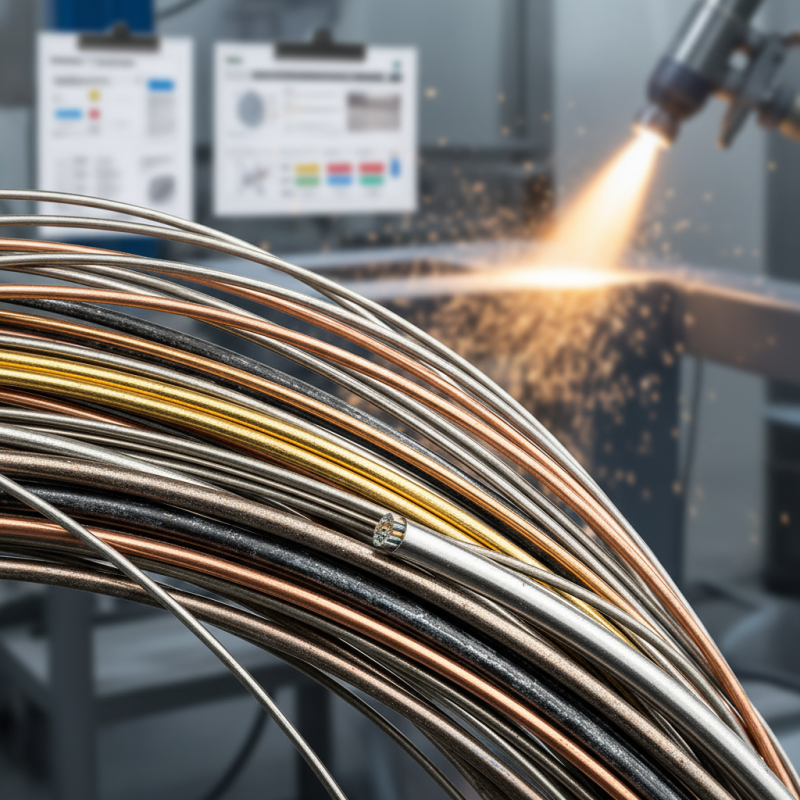
When selecting wire for thermal spray applications, several factors come into play. The material composition is crucial. Different alloys provide varied hardness and adhesion properties. Users should evaluate which properties matter most for their specific applications. A mismatch can lead to poor performance.
Another important consideration is wire diameter. This affects the spray pattern and the thickness of the coating. Thinner wires may create finer coatings, while thicker wires can build up quickly. It's essential to consider the equipment in use, as not all systems handle varying diameters well.
Environmental factors also impact wire selection. Humidity and temperature can alter spray behavior. Higher temperatures may change the wire’s integrity and affect coating quality. Users must carefully assess these conditions for optimal results. Relying solely on previous experiences can lead to oversight, so it's critical to stay updated with current trends and research.
When it comes to thermal spraying, choosing the right wire material is crucial. Various types of wire materials are commonly used in this process, each with unique properties that affect performance. For example, aluminum wire is popular due to its lightweight nature and good corrosion resistance. According to a recent industry report, approximately 30% of thermal spray applications utilize aluminum due to these benefits.
Another common material is nickel-based wire. This wire excels in high-temperature applications, making it suitable for environments where heat resistance is vital. Reports indicate that materials like nickel can sustain strong wear resistance, leading to increased longevity in protective coatings. However, nickel wire can be more expensive than alternatives, which may impact project budgets.
Cobalt-based wires are also noteworthy. They provide exceptional hardness and are often used in applications requiring high wear resistance. Studies indicate that about 15% of thermal spraying processes utilize cobalt due to its durability. While these materials offer great performance, they also come with challenges. For instance, the selection of wire needs to reflect the specific application and environmental conditions. Not all wires suit every requirement, highlighting the need for careful consideration in material choice.
When selecting wire for thermal spray applications, wire diameter and coating thickness are crucial factors. The diameter significantly influences the melting and spraying process. A finer wire creates a finer spray. This can enhance the coating's uniformity and adhesion. However, if the wire is too thin, it may not provide adequate strength.
Coating thickness helps determine the performance of the application. According to industry reports, an optimal thickness often ranges from 50 to 150 microns. Thickness affects wear resistance and corrosion protection. Thicker coatings can offer better protection, but they may also increase production costs. Striking the right balance is essential for achieving desired performance outcomes.
Additionally, there’s room for improvement in understanding the synergies between wire diameter and coating thickness. Many manufacturers overlook how changes in one parameter affect the others. Finding this balance often requires trial and error. More empirical research is needed to refine these relationships. Understanding the nuances can lead to better long-term results in thermal spray applications.
In thermal spray applications, understanding process parameters is crucial. The characteristics of the wire significantly influence the quality of coatings. Factors such as feed rate, temperature, and spray distance can alter the material properties. Studies indicate that a slight adjustment in these parameters can lead to a 30% increase in coating adhesion strength.
A critical aspect is wire composition. Different materials exhibit unique melting points and flow behaviors. For instance, metals like aluminum can have a lower melting point, affecting the thermal energy needed during application. Conversely, harder materials may require different handling. A report by the International Thermal Spray Association highlights that optimizing these selections could improve production efficiency by up to 25%.
Moreover, inconsistencies in application can lead to defects in the coating. Variations in spray distance can result in uneven thickness. Likewise, fluctuating temperatures might cause stress in the coating, leading to premature failure. Feedback from industry experts suggests that regular monitoring of these parameters can enhance reliability, yet many organizations overlook this aspect.
When considering wire for thermal spray applications, cost is a crucial factor. Prices can vary based on the alloy composition and production process. It’s essential to analyze the budget allocated for the entire project. Low-cost options may initially seem appealing, but they might not deliver the desired performance. Sometimes, investing more upfront in high-quality wire can lead to better results in the long run, saving costs on potential repairs or replacements.
Material availability is another significant concern. Not all types of wire are readily accessible in every region. Supply chain issues can delay projects, and it's vital to have reliable suppliers. Researching local vendors may reveal unexpected options, but be cautious. The availability of materials can change rapidly, impacting your project schedule. Always keep a backup plan for alternative suppliers to mitigate any risks. Manufacturing limits and market conditions can affect this availability, leading to unforeseen complications.
„Thanks to the LUVIR technology, the solder resist process could be switched directly from the previously used mask exposure to direct exposure. As an outstanding digital solution on the market, this technology has been able to demonstrate fast process times and superior quality on our certified conventional ink in production. This allowed us to fully digitize the solder mask process at low cost – without process or ink adjustments. An excellent benefit to our production in Rot am See.“
Ralf Göhringer (Head of Production WE Rot am See)
I would definitely recommend the Limata machine and team for a future company purchase
Michael Greenaway
Compunetics Inc.
“The Limata ldi has been amazing!! Best thing we did was buy this machine”
Richard Brady
GM
Circuitlabs
“Since 2019, we have been running the Limata X1000 LDI system (including LUVIR for solder mask imaging) in daily production as an addition to our current process with film. The machine was capable of properly exposing Taiyo PSR-4000 BN (DI) solder mask types on normal to high-copper boards using a new and unique direct imaging process. The machine operating interface is very user friendly which allowed for a quick technical training curve. The pre-registration processing reduced several seconds of production time at every print. Limata support and service staff is incomparable. They supported our team every step of the way at basically any time of the day or night, with literally, an immediate response time, customizing the software interface to best fit our Operations and needs.
We have exposed more than 8,000 prints since end of October, on various solder mask colors and some resist film panels. Limata, has proven to be very capable and innovative. They are a strong contender in the industry.
We have very much enjoyed this project, and working with the team!
Thank you Limata for the continued support and being a part of our growth.”
Bill Sezate
Vice President, GM
Summit Interconnect
As a replacement to our current contact exposure process with film, the LIMATA X2000 system including LUVIR-Technology was capable of properly exposing non-LDI solder mask types using a direct imaging process. The machine offers cutting edge software with a very intuitive operating interface which allowed for quick technician training curve. The dual drawer system combined with pre-registration processing reduced several seconds of production time at every machine cycle. Limata support and service staff is world class. They added software patches to keep production running at shortest possible response times, customized the software interface to best fit our in-house Operations system, and even wrote a step-by-step machine processing manual. As a result of the project, we have exposed more than 16,000 times on various product types and solder mask brands/colors. Limata, in a very short timeframe as a company, has definitely shown they are truly innovative and will be challenging the industry of direct imaging for the top spot.
Kevin Beattie
Process Engineer
TTM Technologies
Forest Grove Division
