When optimizing your purchasing strategy, understanding the nuances of Bobbin Coil is crucial. Bobbin Coils are essential components in many electronic devices. Their design and quality can significantly impact performance. Therefore, a strategic approach to purchasing these coils is necessary.
The market for Bobbin Coils is diverse and complex. Buyers often face challenges in selecting the right supplier or product. This complexity can lead to mistakes, resulting in poor purchasing decisions. It’s important to recognize that not all Bobbin Coils are created equal. Variations in materials and specifications can affect their longevity and efficiency.
Investing time in research is critical. Explore different suppliers and their offerings. Look for expert reviews and user feedback. Asking the right questions can also uncover valuable insights. This process may feel overwhelming, but taking these steps is essential. The right Bobbin Coil can make a distinct difference in your final product's success.
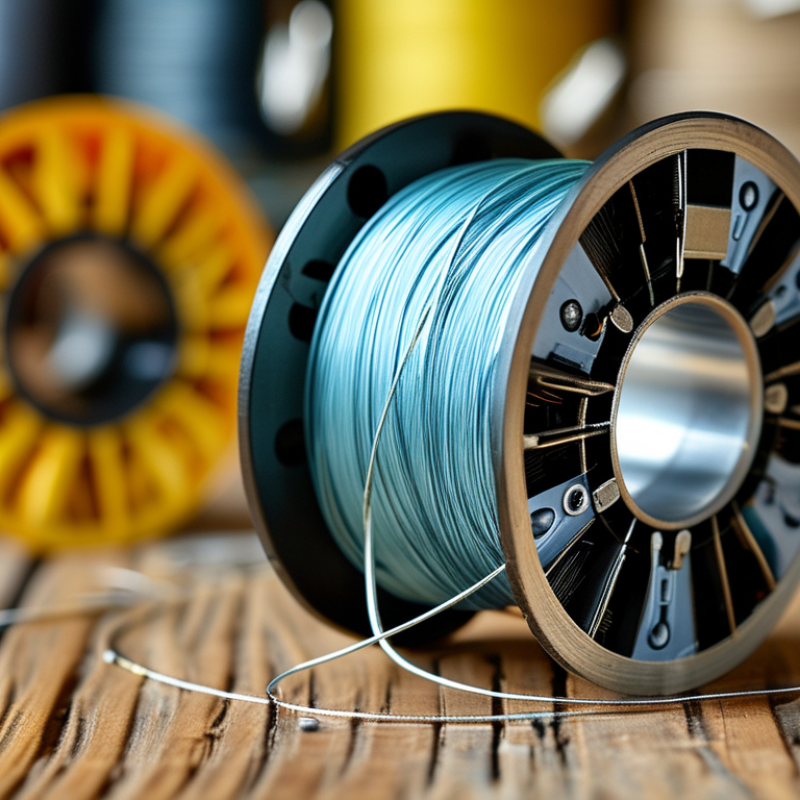
When sourcing bobbin coils, understanding specifications is crucial. Different applications require specific coil types. Key specifications include wire gauge, core material, and resistance values. Each detail impacts performance and durability. Knowledge of these factors can lead to better purchasing decisions.
Evaluating supplier reliability is also essential. Not all suppliers provide the same quality. Request samples to test before committing. Document results. This approach minimizes risks in your sourcing strategy. Consider feedback from peers or industry experts. Their insights can illuminate potential pitfalls in supplier selection.
Keep in mind that even minor miscalculations can lead to significant issues down the line. A small error in resistance could affect the entire system's performance. Reflect on past sourcing decisions. Learning from mistakes enhances future buying strategies. The goal is to ensure consistency and reliability in your supply chain.
Evaluating supplier performance metrics is crucial in optimizing your bobbin coil procurement strategy. According to the latest industry reports, about 75% of procurement challenges stem from inadequate supplier assessment. Companies often overlook critical metrics, such as on-time delivery rates and quality compliance. A study revealed that suppliers with a 95% on-time delivery rate significantly reduce overall production delays. Tracking these metrics helps identify suppliers that align with your operational goals.
Tip: Set specific key performance indicators (KPIs) for suppliers. Consider metrics like defect rates and responsiveness. Regularly review these to ensure reliability. Use dashboard tools to visualize performance data. This transparency can spur improvement.
Performance evaluations also require a holistic approach. Many organizations fail to engage with suppliers meaningfully. Only 40% of firms report conducting regular reviews. Frequent communication fosters better relationships and uncovers issues early. Understanding supplier strengths and weaknesses is essential. A thoughtful analysis of long-term partnerships could enhance production efficiency.
Tip: Implement quarterly supplier reviews. Discuss performance openly and set collaborative goals. Building a trusting relationship can lead to shared successes. It’s not just about numbers; a responsive supplier can be a valuable ally in turbulent markets.
| Supplier Name | Delivery Time (Days) | Quality Rating (1-5) | Cost per Unit ($) | Response Time (Hours) |
|---|---|---|---|---|
| Supplier A | 10 | 4.5 | 15.00 | 2 |
| Supplier B | 7 | 4.0 | 14.50 | 1.5 |
| Supplier C | 12 | 4.8 | 16.25 | 3 |
| Supplier D | 5 | 3.5 | 13.00 | 1 |
When evaluating bobbin coil purchasing decisions, analyzing the cost-benefit ratio is crucial. This metric helps businesses assess how much value they receive compared to the costs incurred. Start by calculating the total cost, which includes not just the purchase price but also transportation and storage expenses. These factors can significantly impact overall expenditure.
Next, consider the benefits. High-quality bobbin coils may have a higher upfront cost but can lead to reduced maintenance and longer lifespan. This is where it gets tricky. You might save money initially, but poor quality can lead to increased downtime and repair costs later. Reflecting on these hidden costs is essential in making informed decisions.
Market research also plays a vital role. Analyze competitors and their purchasing practices, even if their strategies differ. You might discover alternative suppliers or innovative products that fit your needs better. Gathering feedback from other businesses enhances understanding, yet be cautious of relying too heavily on anecdotal evidence. Each business context is unique, and assumptions based on others can lead to pitfalls.
Effective inventory management is crucial for businesses dealing with bobbin coils. According to a recent report by the International Electromechanical Commission, poorly managed inventory can lead to up to a 25% increase in costs. Implementing precise techniques can counteract this issue. Regular audits of inventory levels are essential. They help in understanding which bobbin coils are moving quickly and which are not.
Monitoring trends in demand is another key aspect. Analyzing historical sales data can reveal patterns and prevent overstocking. A survey from the Supply Chain Management Review indicated that 70% of companies using data analytics improved their inventory turnover rates significantly. The goal is to ensure that all inventory aligns with real-time demand.
Tips for optimizing your inventory strategy include setting clear reorder points and utilizing just-in-time (JIT) inventory strategies. Regularly assess the performance of your suppliers too. If a supplier consistently delays deliveries, it might be time to consider alternatives. A lack of reliable supply can destabilize your entire inventory system. Remember, flexibility and vigilance are necessary for successful inventory management.
When it comes to optimizing bobbin coil orders, leveraging industry trends and data is crucial. According to a recent study by the Electrical Component Manufacturers Association, 68% of industry players rely heavily on data-driven insights for procurement decisions. Data analytics can enhance purchasing strategies. The right insights can lead to better inventory management and reduced costs.
Many companies struggle with timing their orders. The fluctuating prices of raw materials can complicate this. For instance, copper prices have varied by around 45% in the last two years. This volatility necessitates a keen understanding of market trends. Industry experts recommend closely monitoring commodity price indexes. They provide foresight on when to buy materials at their lowest.
Additionally, not all businesses have implemented effective data analysis techniques. A survey showed that 37% of companies do not actively use predictive analytics. This gap can hinder their purchasing efficiency. Investing in the right technology can be a game changer. Proper analysis not only aids in reducing costs but also in forecasting demand accurately.
„Thanks to the LUVIR technology, the solder resist process could be switched directly from the previously used mask exposure to direct exposure. As an outstanding digital solution on the market, this technology has been able to demonstrate fast process times and superior quality on our certified conventional ink in production. This allowed us to fully digitize the solder mask process at low cost – without process or ink adjustments. An excellent benefit to our production in Rot am See.“
Ralf Göhringer (Head of Production WE Rot am See)
I would definitely recommend the Limata machine and team for a future company purchase
Michael Greenaway
Compunetics Inc.
“The Limata ldi has been amazing!! Best thing we did was buy this machine”
Richard Brady
GM
Circuitlabs
“Since 2019, we have been running the Limata X1000 LDI system (including LUVIR for solder mask imaging) in daily production as an addition to our current process with film. The machine was capable of properly exposing Taiyo PSR-4000 BN (DI) solder mask types on normal to high-copper boards using a new and unique direct imaging process. The machine operating interface is very user friendly which allowed for a quick technical training curve. The pre-registration processing reduced several seconds of production time at every print. Limata support and service staff is incomparable. They supported our team every step of the way at basically any time of the day or night, with literally, an immediate response time, customizing the software interface to best fit our Operations and needs.
We have exposed more than 8,000 prints since end of October, on various solder mask colors and some resist film panels. Limata, has proven to be very capable and innovative. They are a strong contender in the industry.
We have very much enjoyed this project, and working with the team!
Thank you Limata for the continued support and being a part of our growth.”
Bill Sezate
Vice President, GM
Summit Interconnect
As a replacement to our current contact exposure process with film, the LIMATA X2000 system including LUVIR-Technology was capable of properly exposing non-LDI solder mask types using a direct imaging process. The machine offers cutting edge software with a very intuitive operating interface which allowed for quick technician training curve. The dual drawer system combined with pre-registration processing reduced several seconds of production time at every machine cycle. Limata support and service staff is world class. They added software patches to keep production running at shortest possible response times, customized the software interface to best fit our in-house Operations system, and even wrote a step-by-step machine processing manual. As a result of the project, we have exposed more than 16,000 times on various product types and solder mask brands/colors. Limata, in a very short timeframe as a company, has definitely shown they are truly innovative and will be challenging the industry of direct imaging for the top spot.
Kevin Beattie
Process Engineer
TTM Technologies
Forest Grove Division
