In the realm of water treatment technology, the Ceramic Uf Membrane has emerged as a significant innovation. Renowned expert Dr. Angela Wright states, "The Ceramic Uf Membrane is redefining filtration with durability and efficiency." This underscores the growing importance of this technology in various industries.
Ceramic Uf Membranes utilize a unique process for separating particles from liquids. They offer exceptional resistance to fouling, which enhances their lifespan. As industries strive for sustainable practices, this technology stands out for its effectiveness. Yet, challenges remain. The cost of Ceramic Membranes can be higher than traditional options, making their adoption slower in some sectors.
Investing in Ceramic Uf Membrane technology requires careful consideration of both its advantages and limitations. The potential for improved filtration performance is immense. However, this must be balanced against budget constraints and operational realities. Understanding this nuanced landscape is crucial for both manufacturers and end-users alike.
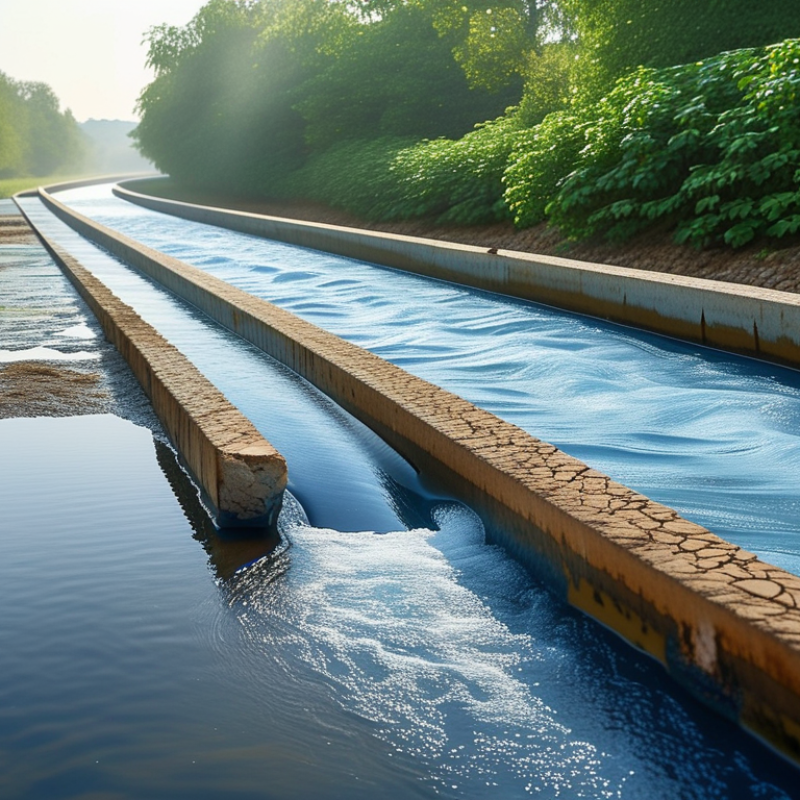
A Ceramic UF membrane is a sophisticated filtration technology that provides efficient water purification. It is made from advanced ceramic materials, which enhance durability and longevity. Unlike traditional membranes, ceramic UF membranes can withstand harsh conditions, including high temperatures and aggressive chemicals. This robustness allows them to be used in various applications, such as industrial processes and wastewater treatment.
Ceramic UF membranes operate by using micro-sized pores to filter out particles, bacteria, and suspended solids. The filtration process involves pushing water through these tiny pores. The result is high-quality permeate, free from contaminants. It’s fascinating that the ceramic material not only aids in filtration but also minimizes fouling, reducing maintenance requirements.
When considering a Ceramic UF membrane, reflect on your specific needs. The cost can be higher than polymer membranes, but the long-term efficiencies can justify the investment. Evaluate the required flow rate and the types of contaminants present. Understanding these factors can guide you in choosing the right model.
Keep in mind that while these membranes are efficient, they may still require pretreatment in some cases. Always research and consult with experts before making decisions. This step ensures you are informed and can make the best choice for your water purification needs.
Ceramic ultrafiltration (UF) membranes are gaining traction in water treatment. Their robust nature allows them to withstand harsh conditions and high temperatures. This makes them suitable for various applications, including wastewater treatment and drinking water purification. Recent reports indicate that ceramic membranes can achieve over 90% removal efficiency for contaminants, such as bacteria and suspended solids.
One of the key features of ceramic UF membranes is their high chemical resistance. They can endure aggressive cleaning agents, minimizing maintenance frequency. This means a longer lifespan compared to polymer membranes, often lasting more than ten years. Moreover, the pore size of ceramic membranes ranges from 1 to 100 nanometers, enabling effective separation of macromolecules while maintaining high permeate flux.
Another notable advantage is their environmentally friendly profile. Ceramic membranes do not degrade in landfills and can be recycled. However, they can be more expensive initially than traditional membranes. Companies should carefully assess their budget and application needs. While ceramic membranes offer many benefits, some limitations need addressing, including fragility and sensitivity to rapid pressure changes. Balancing these factors is crucial for effective system design and operation.
Ceramic ultrafiltration (UF) membranes are a crucial technology in water purification. These membranes utilize ceramic materials to filter out contaminants from water. The filtration process begins when water flows through the porous ceramic membrane. This membrane has tiny pores, usually ranging from 0.1 to 0.001 micron in size. As water passes through, larger particles, bacteria, and viruses remain on the surface while clean water permeates through.
Recent industry reports highlight that ceramic UF membranes can achieve a removal efficiency of over 99% for bacteria and suspended solids. This effectiveness is crucial in applications such as municipal water treatment and food processing. The ceramic material offers durability and resistance to chemicals, adding to the reliability of the filtration process. However, the initial investment for ceramic membranes can be significant compared to polymer counterparts. End-users must weigh this against long-term operational savings.
Regular maintenance is vital for optimal performance. Cleaning the membranes helps restore their filtration capacity. If left unattended, fouling can occur, leading to reduced flow rates. To enhance the lifespan of these membranes, consider implementing a backwashing process periodically. A rigorous maintenance schedule aids in achieving consistent water quality and maximizing efficiency. It's essential to stay informed about the latest advancements in ceramic membrane technology to improve operational processes continually.
Ceramic ultrafiltration (UF) membranes have gained substantial traction in various industries. Their durability and resistance to fouling make them ideal for applications requiring reliable filtration. In the food and beverage sector, these membranes effectively separate proteins and fats from liquids, ensuring product clarity and safety. The ability to operate at high temperatures makes them particularly useful in pasteurization processes. This can enhance the quality of beverages while maintaining compliance with health standards.
In the pharmaceuticals industry, ceramic UF membranes play a critical role in purification. They can effectively remove unwanted contaminants from drug formulations. Their high level of precision ensures that only desired molecules pass through. This is crucial for producing sterile and safe medicinal products. However, the high initial cost of installation can be a barrier for some companies. It is important for manufacturers to weigh these costs against potential long-term savings and efficiency gains.
Environmental applications are also significant. Ceramic UF membranes are essential in wastewater treatment systems, helping to remove suspended solids and pathogens. This not only ensures cleaner water but also supports regulatory compliance. Adopting these systems can still be challenging. Some facilities may struggle with the technical know-how needed for optimal integration and maintenance. Collaboration with experts is often necessary to achieve effective outcomes.
Ceramic ultrafiltration (UF) membranes have gained attention in various industries for their unique advantages. Unlike conventional membranes, ceramic UF membranes offer superior chemical stability. They can withstand extreme pH levels and temperatures, leading to longer operational life. A recent industry report highlights that ceramic membranes can last up to five times longer than polymeric membranes, depending on the application.
In terms of efficiency, ceramic UF membranes exhibit higher permeate flux rates. They allow for faster water flow, which can improve system productivity. Research shows that ceramic membranes can achieve flux rates of 80-100 L/m²/h, compared to typical polymeric membranes with rates around 30-50 L/m²/h. This translates into reduced energy consumption over time. Additionally, their robust nature significantly decreases maintenance needs.
However, there are limitations to consider. The initial capital cost of ceramic UF systems is higher. Despite their longer lifespan, the upfront investment may deter some users. Another area for reflection is fouling potential. While fouling is generally lower with ceramic membranes, certain conditions can still lead to challenges. Understanding these dynamics is crucial for optimal performance and decision-making in various filtration applications.
„Thanks to the LUVIR technology, the solder resist process could be switched directly from the previously used mask exposure to direct exposure. As an outstanding digital solution on the market, this technology has been able to demonstrate fast process times and superior quality on our certified conventional ink in production. This allowed us to fully digitize the solder mask process at low cost – without process or ink adjustments. An excellent benefit to our production in Rot am See.“
Ralf Göhringer (Head of Production WE Rot am See)
I would definitely recommend the Limata machine and team for a future company purchase
Michael Greenaway
Compunetics Inc.
“The Limata ldi has been amazing!! Best thing we did was buy this machine”
Richard Brady
GM
Circuitlabs
“Since 2019, we have been running the Limata X1000 LDI system (including LUVIR for solder mask imaging) in daily production as an addition to our current process with film. The machine was capable of properly exposing Taiyo PSR-4000 BN (DI) solder mask types on normal to high-copper boards using a new and unique direct imaging process. The machine operating interface is very user friendly which allowed for a quick technical training curve. The pre-registration processing reduced several seconds of production time at every print. Limata support and service staff is incomparable. They supported our team every step of the way at basically any time of the day or night, with literally, an immediate response time, customizing the software interface to best fit our Operations and needs.
We have exposed more than 8,000 prints since end of October, on various solder mask colors and some resist film panels. Limata, has proven to be very capable and innovative. They are a strong contender in the industry.
We have very much enjoyed this project, and working with the team!
Thank you Limata for the continued support and being a part of our growth.”
Bill Sezate
Vice President, GM
Summit Interconnect
As a replacement to our current contact exposure process with film, the LIMATA X2000 system including LUVIR-Technology was capable of properly exposing non-LDI solder mask types using a direct imaging process. The machine offers cutting edge software with a very intuitive operating interface which allowed for quick technician training curve. The dual drawer system combined with pre-registration processing reduced several seconds of production time at every machine cycle. Limata support and service staff is world class. They added software patches to keep production running at shortest possible response times, customized the software interface to best fit our in-house Operations system, and even wrote a step-by-step machine processing manual. As a result of the project, we have exposed more than 16,000 times on various product types and solder mask brands/colors. Limata, in a very short timeframe as a company, has definitely shown they are truly innovative and will be challenging the industry of direct imaging for the top spot.
Kevin Beattie
Process Engineer
TTM Technologies
Forest Grove Division
