The world of 3d Printing Materials is evolving rapidly, with China emerging as a key player in the global market. According to a recent report by SmarTech Analysis, the global 3D printing materials market is projected to reach $8.62 billion by 2027, with a compound annual growth rate (CAGR) of 24.5%. This growth is driven by the increasing adoption of 3D printing technologies across various industries.
China is becoming a hub for the production of high-quality 3D printing materials. The nation is known for its extensive range of materials, including plastics, metals, and ceramics. However, challenges still exist. The quality and consistency of some materials may vary, leading to uncertainty for businesses and manufacturers. Buyers must navigate these complexities to ensure they choose the right suppliers.
Furthermore, as the demand for sustainable solutions rises, the focus on eco-friendly 3D printing materials is crucial. By providing innovative and environmentally friendly options, Chinese manufacturers can gain a competitive advantage. Yet, the need for standardization and regulation in this sector remains an area for improvement, necessitating ongoing collaboration among industry stakeholders.
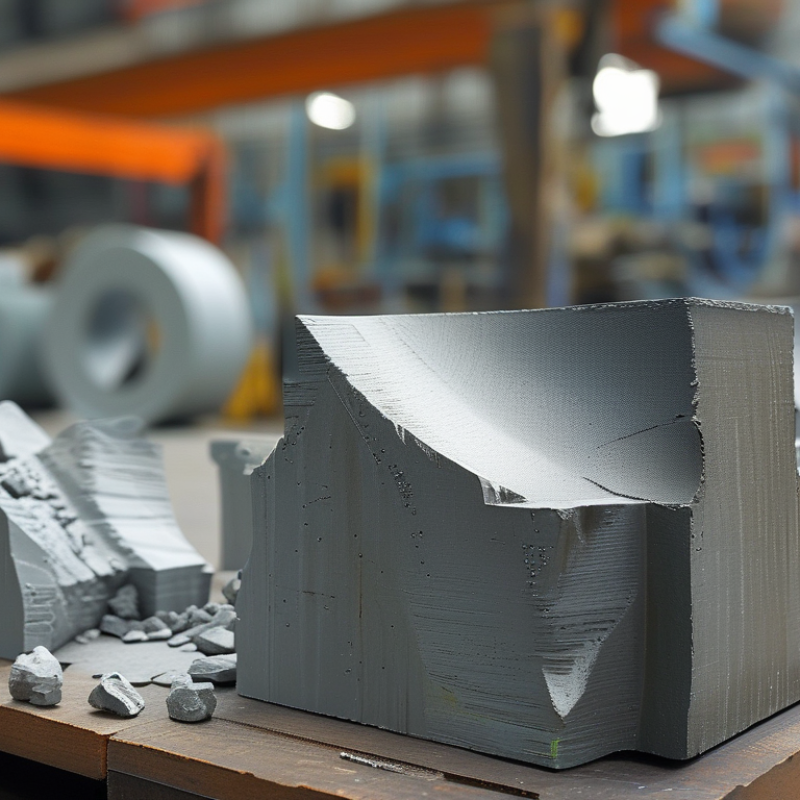
China has emerged as a key player in the global 3D printing materials market. The country produces a diverse range of materials, catering to various industrial needs. According to a recent market report, China accounts for over 40% of the world's 3D printing material production. This remarkable statistic highlights the robust growth and innovation within the sector.
Among the available materials, thermoplastics dominate the landscape. Polylactic acid (PLA) and acrylonitrile butadiene styrene (ABS) are among the most popular types. In addition, advanced materials like nylon and resin have gained traction in industries such as aerospace and automotive. However, challenges remain. The consistency and quality of materials can vary significantly among manufacturers.
Data indicates that the global demand for 3D printing materials is projected to grow by 25% annually. Yet, sourcing high-quality materials can require extensive research and testing. Buyers must navigate the complexities of the supply chain. Ensuring reliability and performance remains critical. There is a need for improved standards within the industry to safeguard against subpar products.
When exploring 3D printing materials in China, several options stand out for global buyers. PLA, or Polylactic Acid, is popular due to its ease of use. It biodegrades, making it an eco-friendly choice. According to a recent industry report, PLA accounts for approximately 30% of the global 3D printing filament market. Its low printing temperature can save energy in production.
Another material gaining traction is ABS, known for its strength and durability. ABS can withstand higher temperatures than PLA, making it suitable for functional prototypes. Data shows that ABS has a higher impact resistance, which can enhance product lifecycle in various applications. However, it is advisable to manage the venting during printing, as fumes can be an issue.
PETG is emerging as a versatile alternative. It combines the ease of printing of PLA with the strength of ABS. Research indicates that PETG's adhesion properties make it ideal for industrial applications. While its flexibility and toughness are commendable, users must be cautious about its print settings to prevent warping. The right parameters can significantly affect output quality.
The landscape of 3D printing materials in China is vast and diverse. Recent studies highlight that Chinese suppliers dominate the global market, offering a wide range of materials such as PLA, ABS, and PETG. According to industry reports, the average price for high-quality PLA filament ranges from $20 to $30 per kilogram. However, prices often vary based on quality and vendor reputation.
Quality assessment reveals that not all suppliers maintain the same standards. Some offer inconsistent filament diameter or poor color fidelity. Data from industry experts suggest that about 25% of cheaper materials may lead to clogging or layer adhesion issues. Users often find that a slight increase in investment can yield significantly better outcomes. The more expensive options frequently provide better reliability and compatibility with various printers, reducing waste and downtime.
Moreover, buyers should be cautious when evaluating supplier claims. Some materials may look appealing on the surface but fall short in performance. Comprehensive reviews and customer feedback are essential in making informed choices. Comparing suppliers based on user experiences can shed light on unseen challenges, such as delivery times and customer service, which are critical in the 3D printing supply chain.
In recent years, China has emerged as a key player in the 3D printing materials market. The country boasts a range of manufacturers that specialize in producing high-quality materials. These manufacturers focus on various categories, such as thermoplastics, metal powders, and biocompatible materials. Each category serves different industries, from aerospace to medical applications.
Many of these companies invest heavily in research and development. They aim to refine their materials for better performance and reliability. However, despite the rapid innovation, there can be inconsistency in material quality. Buyers should conduct thorough testing before large-scale purchases. It’s essential to choose a supplier that demonstrates a strong track record.
Collaboration between manufacturers and research institutions is growing. This partnership aims to enhance the capabilities of 3D printing materials. Yet, the market still faces challenges in scalability and production consistency. Ensuring that the materials perform as needed remains a critical area for improvement. Global buyers need to navigate this landscape carefully to find reliable suppliers.
International shipping and logistics play a critical role in the 3D printing industry. As global buyers seek high-quality materials, understanding the logistics landscape becomes vital. Shipping can be complex. Different countries have various regulations that impact deliveries. Buyers need to navigate these rules carefully to avoid delays.
Choosing the right shipping partner is a key factor. A reliable logistics service ensures timely delivery of 3D printing materials. However, not all logistics providers have expertise in handling specialized materials. Experience is essential. Buyers should consider partners with a proven track record in the 3D printing sector.
Time zones and language barriers can complicate communication. Maintaining clear connections with suppliers is crucial. Misunderstandings may lead to errors in orders. Flexibility is necessary when dealing with international logistics. Unexpected delays can occur. A response plan helps mitigate these challenges.
Suppliers and buyers must work together closely to ensure smooth transactions. It’s a collaborative effort that demands attention to detail.
„Thanks to the LUVIR technology, the solder resist process could be switched directly from the previously used mask exposure to direct exposure. As an outstanding digital solution on the market, this technology has been able to demonstrate fast process times and superior quality on our certified conventional ink in production. This allowed us to fully digitize the solder mask process at low cost – without process or ink adjustments. An excellent benefit to our production in Rot am See.“
Ralf Göhringer (Head of Production WE Rot am See)
I would definitely recommend the Limata machine and team for a future company purchase
Michael Greenaway
Compunetics Inc.
“The Limata ldi has been amazing!! Best thing we did was buy this machine”
Richard Brady
GM
Circuitlabs
“Since 2019, we have been running the Limata X1000 LDI system (including LUVIR for solder mask imaging) in daily production as an addition to our current process with film. The machine was capable of properly exposing Taiyo PSR-4000 BN (DI) solder mask types on normal to high-copper boards using a new and unique direct imaging process. The machine operating interface is very user friendly which allowed for a quick technical training curve. The pre-registration processing reduced several seconds of production time at every print. Limata support and service staff is incomparable. They supported our team every step of the way at basically any time of the day or night, with literally, an immediate response time, customizing the software interface to best fit our Operations and needs.
We have exposed more than 8,000 prints since end of October, on various solder mask colors and some resist film panels. Limata, has proven to be very capable and innovative. They are a strong contender in the industry.
We have very much enjoyed this project, and working with the team!
Thank you Limata for the continued support and being a part of our growth.”
Bill Sezate
Vice President, GM
Summit Interconnect
As a replacement to our current contact exposure process with film, the LIMATA X2000 system including LUVIR-Technology was capable of properly exposing non-LDI solder mask types using a direct imaging process. The machine offers cutting edge software with a very intuitive operating interface which allowed for quick technician training curve. The dual drawer system combined with pre-registration processing reduced several seconds of production time at every machine cycle. Limata support and service staff is world class. They added software patches to keep production running at shortest possible response times, customized the software interface to best fit our in-house Operations system, and even wrote a step-by-step machine processing manual. As a result of the project, we have exposed more than 16,000 times on various product types and solder mask brands/colors. Limata, in a very short timeframe as a company, has definitely shown they are truly innovative and will be challenging the industry of direct imaging for the top spot.
Kevin Beattie
Process Engineer
TTM Technologies
Forest Grove Division
