In recent years, Cnc Precision Machining has gained immense attention globally. Many manufacturers are seeking high-quality solutions. China stands out with its advanced technologies and skilled workforce. Companies in various industries rely on precise machining for their products.
However, navigating the diverse options can be overwhelming. It is essential to identify reliable partners who offer quality and durability. Not all suppliers meet these standards. Some may promise excellent results but fall short in execution. Hence, buyers must be diligent.
Investing time in research can yield significant rewards. Explore the innovative capabilities of Chinese machining services. It's crucial to evaluate past performance and customer feedback. Understanding the nuances can prevent unnecessary challenges. Connect with trusted suppliers to achieve your project goals effectively.
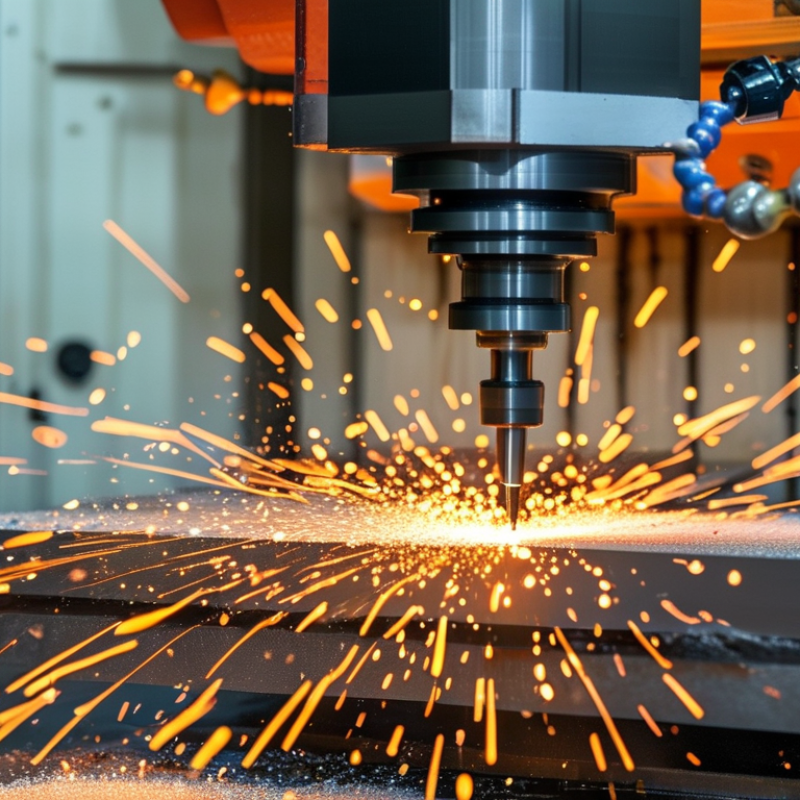
CNC precision machining in China has become a cornerstone of the global manufacturing landscape. The advanced technology employed in these processes allows for the production of intricate parts with high precision. Various industries, including automotive, aerospace, and electronics, rely on China's machining capabilities. The ability to handle diverse materials enhances its appeal to international buyers.
China's CNC machining industry possesses a skilled workforce. Experienced engineers and technicians contribute to this expertise. They understand both traditional and modern machining techniques. However, quality control remains a challenge, with occasional inconsistencies reported. Buyers must verify the reliability of suppliers and their manufacturing practices. Clear communication can help bridge potential gaps in expectations.
The cost-effective nature of CNC precision machining in China attracts global clients. Yet, competitive pricing can sometimes lead to corners being cut, affecting product quality. It's vital for buyers to conduct thorough research before committing. Evaluating supplier credentials and factory visits can help mitigate risks. As the industry evolves, companies must adapt to changing demands and technological advancements.
| Dimension | Material | Precision | Lead Time (days) | Application |
|---|---|---|---|---|
| 10mm x 10mm x 10mm | Aluminum 6061 | ±0.01 mm | 5 | Aerospace |
| 20mm x 15mm x 5mm | Stainless Steel 304 | ±0.02 mm | 7 | Automotive |
| 30mm x 20mm x 10mm | Brass | ±0.05 mm | 10 | Electronics |
| 50mm x 40mm x 20mm | Aluminum 7075 | ±0.03 mm | 14 | Medical Devices |
CNC precision machining is a vital process in modern manufacturing. It combines the power of computer technology with traditional machining. This results in highly accurate and complex components. Many industries rely on CNC services for their precision needs, including aerospace, automotive, and electronics.
Key features of CNC precision machining include high accuracy and repeatability. Machines can create parts with tolerances of just a few microns. The process can use various materials, from metals to plastics, which adds flexibility. Technicians often face challenges like tool wear and machine calibration. Regular maintenance is crucial to ensure optimal performance.
Another important aspect is the software used in CNC machining. Advanced programming can optimize tool paths to reduce waste. However, improper programming can lead to errors and material loss. Continuous improvement is essential, as technology evolves rapidly. Manufacturers must keep up-to-date with trends and techniques. This is necessary to maintain a competitive edge in the global market.
Chinese CNC machining solutions offer many advantages that attract global buyers. First, cost efficiency is a significant factor. According to a report by Deloitte, manufacturing in China can be up to 30% cheaper than in North America. This difference is mainly due to lower labor costs and optimized production processes. Companies can achieve significant savings while maintaining high standards.
Quality is another essential consideration. Many Chinese manufacturers have invested heavily in advanced technology. Research from McKinsey shows that over 70% of Chinese manufacturing firms have adopted Industry 4.0 technologies. This transition enhances precision and efficiency. However, not all providers meet these high standards. Buyers must conduct thorough research to identify reliable partners.
Additionally, the speed of production in China can be impressive. The ability to produce and deliver orders quickly is crucial for competitive industries. A report by Statista noted that 60% of manufacturers in China have improved their delivery times through automation. Yet, this rapid pace can sometimes lead to quality control issues, highlighting the need for stringent oversight. Understanding these dynamics is vital for building successful partnerships.
CNC machining has evolved significantly, creating a competitive landscape for global buyers. When comparing providers, various factors come into play. Quality, precision, and delivery times are crucial. Buyers should focus on how well providers can meet their specifications. It’s essential to understand that not all manufacturers are created equal.
One concern is consistency. Some providers may promise high precision but fail to deliver after initial projects. It’s worth examining case studies or reaching out to previous clients for feedback. Another issue is the technology used. Advanced machinery can dramatically influence outcomes. Buyers must ensure that their potential partners utilize modern equipment to guarantee high-quality results.
Cost is another critical factor. While seeking the best deal, it's important not to sacrifice quality for lower prices. An economical choice today may lead to expensive mistakes later. It's vital to weigh the long-term implications of each decision. Engaging in thorough research will enhance the likelihood of forming successful partnerships in the CNC machining sector.
The CNC precision machining industry in China is evolving rapidly. As of 2023, the market size is projected to reach approximately $10.39 billion. This growth is driven by the increasing demand for custom and precise components across various sectors, including automotive, aerospace, and medical devices.
A significant trend is the integration of advanced technologies like AI and IoT in machining processes. Reports indicate that companies adopting smart manufacturing solutions could see productivity improvements of up to 30%. However, challenges remain, particularly in workforce skills. Many skilled operators are retiring, creating a gap in expertise. Companies are investing in training programs, yet these efforts need more urgency.
Sustainability is becoming another critical focus. As environmental regulations tighten, manufacturers must adopt greener practices. The push for sustainable machining can be daunting, requiring investment in new technologies and processes. In this landscape, companies that adapt quickly will gain a competitive edge, while others may struggle to keep pace.
„Thanks to the LUVIR technology, the solder resist process could be switched directly from the previously used mask exposure to direct exposure. As an outstanding digital solution on the market, this technology has been able to demonstrate fast process times and superior quality on our certified conventional ink in production. This allowed us to fully digitize the solder mask process at low cost – without process or ink adjustments. An excellent benefit to our production in Rot am See.“
Ralf Göhringer (Head of Production WE Rot am See)
I would definitely recommend the Limata machine and team for a future company purchase
Michael Greenaway
Compunetics Inc.
“The Limata ldi has been amazing!! Best thing we did was buy this machine”
Richard Brady
GM
Circuitlabs
“Since 2019, we have been running the Limata X1000 LDI system (including LUVIR for solder mask imaging) in daily production as an addition to our current process with film. The machine was capable of properly exposing Taiyo PSR-4000 BN (DI) solder mask types on normal to high-copper boards using a new and unique direct imaging process. The machine operating interface is very user friendly which allowed for a quick technical training curve. The pre-registration processing reduced several seconds of production time at every print. Limata support and service staff is incomparable. They supported our team every step of the way at basically any time of the day or night, with literally, an immediate response time, customizing the software interface to best fit our Operations and needs.
We have exposed more than 8,000 prints since end of October, on various solder mask colors and some resist film panels. Limata, has proven to be very capable and innovative. They are a strong contender in the industry.
We have very much enjoyed this project, and working with the team!
Thank you Limata for the continued support and being a part of our growth.”
Bill Sezate
Vice President, GM
Summit Interconnect
As a replacement to our current contact exposure process with film, the LIMATA X2000 system including LUVIR-Technology was capable of properly exposing non-LDI solder mask types using a direct imaging process. The machine offers cutting edge software with a very intuitive operating interface which allowed for quick technician training curve. The dual drawer system combined with pre-registration processing reduced several seconds of production time at every machine cycle. Limata support and service staff is world class. They added software patches to keep production running at shortest possible response times, customized the software interface to best fit our in-house Operations system, and even wrote a step-by-step machine processing manual. As a result of the project, we have exposed more than 16,000 times on various product types and solder mask brands/colors. Limata, in a very short timeframe as a company, has definitely shown they are truly innovative and will be challenging the industry of direct imaging for the top spot.
Kevin Beattie
Process Engineer
TTM Technologies
Forest Grove Division
