Choosing the right window aluminum profile can significantly impact your home’s aesthetics and energy efficiency. With diverse options available, it’s essential to understand what suits your specific needs. The market is flooded with profiles that differ in design, functionality, and durability. This choice can be overwhelming, particularly for first-time buyers.
Consider factors like insulation properties and design flexibility. Not all window aluminum profiles are created equal; some may excel in thermal performance while others focus on aesthetic appeal. While you might be drawn to a specific style, reflect on its longevity and maintenance needs. Opting for a visually appealing option could lead to higher long-term costs if it requires frequent repairs or replacements.
Moreover, assessing the reputation of the manufacturer is vital. A trusted brand often ensures quality and durability. Your choice should balance initial cost with potential savings on energy bills. Investing time in research may avoid future regrets. Always remember: what looks good now might not serve you well later. Thoughtful consideration will lead you to the best window aluminum profile for your needs.
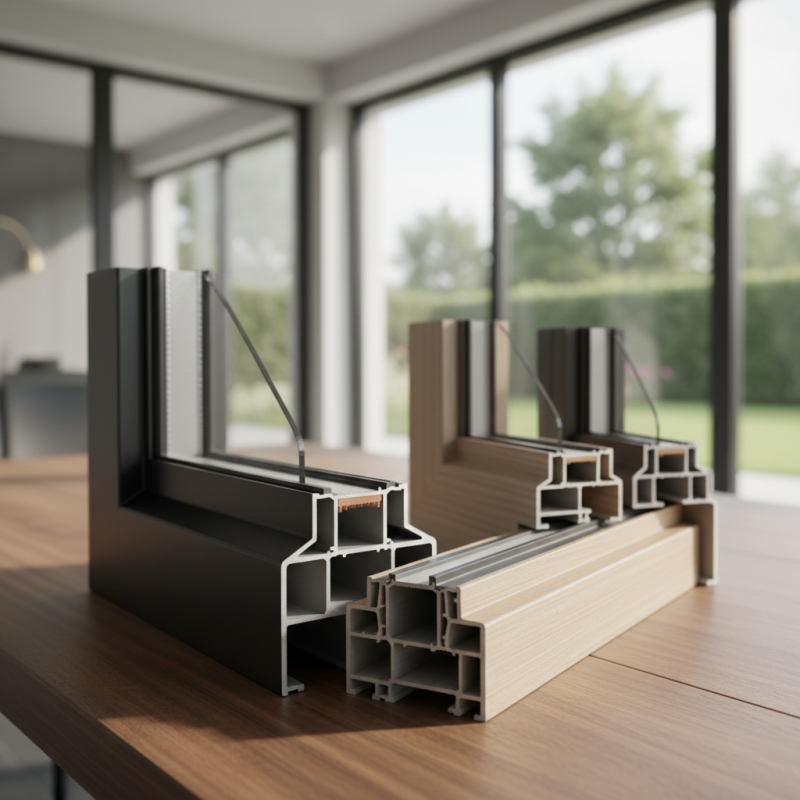
Aluminum profiles for windows play a critical role in enhancing the overall functionality and aesthetics of a building. According to a report by the Aluminum Association, aluminum framing provides superior strength and durability, making it a preferred choice in construction. These profiles are particularly valued for their corrosion resistance and minimal maintenance needs. In fact, buildings using aluminum profiles can have longer lifespans, contributing to better environmental sustainability.
Consider energy efficiency. The U.S. Department of Energy highlights that well-insulated aluminum frames can reduce heating and cooling costs by as much as 30%. Proper selection of window profiles can significantly affect thermal performance. However, aluminum is also known for its potential thermal bridging issues, especially in uninsulated options. Careful consideration is necessary to ensure adequate insulation is integrated.
Design is equally important. Various finishes and styles of aluminum profiles allow for customization to reflect personal or architectural styles. Unfortunately, not all finishes are created equal. Some may fade or peel over time. Thus, understanding the quality of finishes and the expected wear is crucial. Collectively, these factors underline the importance of choosing the right aluminum profile to meet both practical and aesthetic needs.
Choosing the right window aluminum profile is crucial for performance and aesthetic appeal. Consider structural integrity, thermal efficiency, and aesthetic matching with your environment. According to the Aluminum Association, aluminum profiles provide up to 80% better energy efficiency compared to other materials. This statistic highlights why selecting the right profile is essential for energy savings.
Another factor to weigh is the thickness of the aluminum profile. Thicker profiles typically offer increased durability. However, they can be heavier, which may not suit every installation. The key lies in balancing weight and strength. Consult professional reports for regional climate impacts on material choice.
Tip: Always check the thermal break. A thermal break helps reduce heat transfer, enhancing energy performance significantly. A well-selected thermal break can lead to a 20-30% reduction in energy costs.
Aesthetic considerations also matter. Profile color and finish can enhance a building’s exterior. Many homeowners overlook this aspect, leading to mismatches with their building design. Conduct thorough research and seek options that blend with your architecture. Prioritize your needs over trends but stay informed on market updates.
When selecting aluminum profiles for windows, understanding the different types is vital. Common types include structural, thermal break, and decorative profiles. Structural profiles are strong and provide excellent support. They withstand various environmental conditions. Thermal break profiles improve energy efficiency. They help in reducing heat loss. Decorative profiles enhance the aesthetics of a window. They come in various designs and finishes.
Each type serves unique purposes. Structural profiles ensure durability, whereas thermal break profiles offer insulation. Decorative profiles add a personal touch to your space. Think about your specific needs before deciding. Are you focused on durability or energy efficiency? Or is appearance your priority? These questions are fundamental. It’s easy to overlook. However, making an informed choice requires careful reflection. Consider the local climate, your budget, and design preferences.
Many factors affect the final choice. Frame thickness can influence strength and insulation. Profile shape impacts both looks and functionality. A more complex design may look great but could raise costs. It’s essential to balance aesthetic appeal with practicality. Not every profile suits every situation. While one could overlook these details, doing so may lead to future regrets. Focus on what truly matters for your windows.
| Profile Type | Thickness | Use Case | Thermal Performance | Price Range |
|---|---|---|---|---|
| Standard Aluminum Profile | 1.0 mm | Residential Windows | Moderate | $5 - $10 per meter |
| Thermal Break Profile | 1.2 mm | Commercial Windows | High | $10 - $15 per meter |
| Structural Profile | 1.5 mm | High-Rise Buildings | Very High | $15 - $25 per meter |
| Reinforced Profile | 2.0 mm | Customized Sizes | High | $20 - $30 per meter |
| Slim Profile | 0.8 mm | Modern Aesthetics | Moderate | $8 - $12 per meter |
When selecting an aluminum window profile, performance standards and durability are crucial factors. The material's resistance to weather can determine how long a window lasts. Look for profiles with corrosion resistance. This feature can extend the life of your windows, especially in harsh climates. A reliable profile should withstand extreme temperatures and UV exposure without losing its integrity.
Another important aspect is the thermal performance of the profile. Energy-efficient windows can significantly reduce heating and cooling costs. Profiles with a high insulation value create a barrier against heat loss. This is vital for maintaining a comfortable indoor environment. Check for certifications that indicate thermal performance standards. These certifications often reflect real-world testing results.
Evaluating the durability of window aluminum profiles also includes manufacturing quality. Consider profiles that have undergone rigorous quality control processes. Not all profiles are made equal, and some might not meet your needs. Factor in the thickness of the aluminum and the design features that enhance robustness. Always seek profiles that align with your specific environmental conditions. Reflecting on these elements can lead to better choices in window installations.
When considering window aluminum profiles, budgeting is crucial. The initial cost of materials can significantly impact your project. According to a recent industry report, aluminum frame windows typically range from $50 to $100 per square foot based on quality and design. This price can vary based on features like thermal performance and finish options.
It's essential to balance quality with budget constraints. High-quality aluminum profiles often include thermal breaks and better weather resistance. Investing in superior materials may seem costly at first. However, it can lead to long-term savings through improved energy efficiency. Energy Star states that well-insulated windows can reduce heating and cooling costs by up to 15%.
Cost considerations should not end with the purchase price. Installation costs can add another layer to your budget. Professional installation might cost between $100 and $200 per window, impacting your overall investment. Some homeowners opt for DIY installations to save money. However, this choice can lead to costly errors if not handled correctly. Consideration of these factors is key to making an informed decision on aluminum profiles.
„Thanks to the LUVIR technology, the solder resist process could be switched directly from the previously used mask exposure to direct exposure. As an outstanding digital solution on the market, this technology has been able to demonstrate fast process times and superior quality on our certified conventional ink in production. This allowed us to fully digitize the solder mask process at low cost – without process or ink adjustments. An excellent benefit to our production in Rot am See.“
Ralf Göhringer (Head of Production WE Rot am See)
I would definitely recommend the Limata machine and team for a future company purchase
Michael Greenaway
Compunetics Inc.
“The Limata ldi has been amazing!! Best thing we did was buy this machine”
Richard Brady
GM
Circuitlabs
“Since 2019, we have been running the Limata X1000 LDI system (including LUVIR for solder mask imaging) in daily production as an addition to our current process with film. The machine was capable of properly exposing Taiyo PSR-4000 BN (DI) solder mask types on normal to high-copper boards using a new and unique direct imaging process. The machine operating interface is very user friendly which allowed for a quick technical training curve. The pre-registration processing reduced several seconds of production time at every print. Limata support and service staff is incomparable. They supported our team every step of the way at basically any time of the day or night, with literally, an immediate response time, customizing the software interface to best fit our Operations and needs.
We have exposed more than 8,000 prints since end of October, on various solder mask colors and some resist film panels. Limata, has proven to be very capable and innovative. They are a strong contender in the industry.
We have very much enjoyed this project, and working with the team!
Thank you Limata for the continued support and being a part of our growth.”
Bill Sezate
Vice President, GM
Summit Interconnect
As a replacement to our current contact exposure process with film, the LIMATA X2000 system including LUVIR-Technology was capable of properly exposing non-LDI solder mask types using a direct imaging process. The machine offers cutting edge software with a very intuitive operating interface which allowed for quick technician training curve. The dual drawer system combined with pre-registration processing reduced several seconds of production time at every machine cycle. Limata support and service staff is world class. They added software patches to keep production running at shortest possible response times, customized the software interface to best fit our in-house Operations system, and even wrote a step-by-step machine processing manual. As a result of the project, we have exposed more than 16,000 times on various product types and solder mask brands/colors. Limata, in a very short timeframe as a company, has definitely shown they are truly innovative and will be challenging the industry of direct imaging for the top spot.
Kevin Beattie
Process Engineer
TTM Technologies
Forest Grove Division
