Choosing the right conveyor roller suppliers is crucial for operational efficiency. A reliable supplier can enhance your production flow and reduce downtime. Their expertise directly impacts your supply chain.
When evaluating potential conveyor roller suppliers, consider their industry experience and technical knowledge. A supplier with a proven track record will likely understand your unique needs better. Look for those who demonstrate a commitment to quality and customer satisfaction. They should offer a range of options suitable for various applications.
However, not all suppliers will meet your expectations. Beware of those lacking transparency in their processes. Trust is essential, so verify their references and past performance. Engaging with the right supplier can lead to long-term success. As you navigate your choices, reflect on past experiences to avoid common pitfalls.
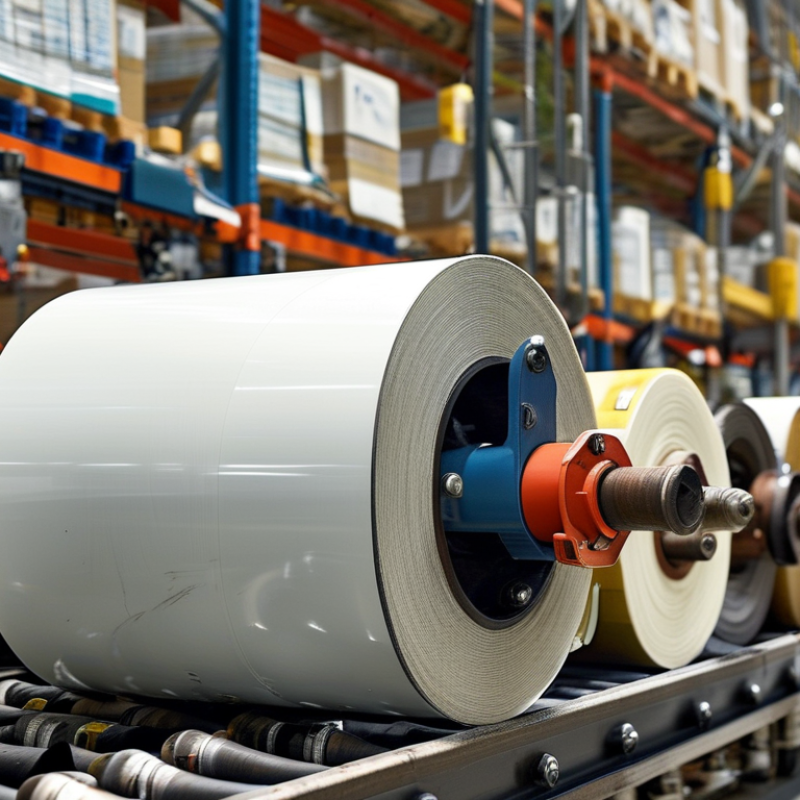
When selecting conveyor rollers, assessing your specific requirements is crucial. Consider the materials you plan to transport. Different products necessitate different roller types. For example, heavy items may require stronger, more durable rollers. On the other hand, lightweight items may benefit from standard models. This distinction can save you from costly mistakes.
Next, think about the environment where the rollers will operate. Are they needed indoors or outdoors? Will they be exposed to extreme temperatures or moisture? These factors impact the roller's lifespan and efficiency. Identify your operational conditions carefully. Sometimes, decisions are made without adequate reflection on these aspects, leading to future issues.
Additionally, evaluate the load capacities you need. Understanding the maximum and average weights your conveyor system will handle is essential. If you miscalculate, it can lead to frequent breakdowns. Be proactive in gathering data on your load requirements. This way, you can avoid regret later on when the system fails to perform as needed.
When researching potential conveyor roller suppliers, it’s essential to gather comprehensive data. Consider industry reports, such as those from the Conveyor Equipment Manufacturers Association (CEMA). Their findings indicate that 70% of operational inefficiencies can be traced back to subpar conveyor systems. This underscores the importance of selecting a reliable supplier.
Tips for evaluating suppliers include requesting detailed specifications and prior customer reviews. Pay attention to the materials used in the rollers. High-quality steel or plastic can significantly affect durability. A study by Market Research Future notes that demand for durable conveyor components is growing at a CAGR of 5.8% globally. This highlights the importance of investing in quality.
Examine each supplier's customer service. Reliable support can make a difference in the long run. Questions about delivery times and warranty policies can reveal their reliability. Look beyond the price; sometimes, a lower cost may compromise quality. It’s essential to reflect on what trade-offs you are willing to make for efficiency and reliability.
When selecting conveyor roller suppliers, evaluating their experience and reputation is crucial. Industry reports indicate that suppliers with over ten years of experience generally offer more reliable products. Seasoned suppliers often understand customer needs better, which leads to higher satisfaction rates. According to a recent survey, 75% of companies prefer suppliers with proven track records in quality and service.
Reputation in the industry is built over time. Suppliers with positive reviews and testimonials often display a commitment to excellence. However, not all suppliers with good reputations deliver consistently. Some may excel in sales but lack the behind-the-scenes expertise. A study revealed that 30% of companies experienced issues when relying solely on supplier reputation. Therefore, digging deeper into their history and past projects is essential.
Moreover, it’s wise to look for certifications and industry affiliations. These can serve as indicators of commitment to quality and best practices. Statistical data shows that certified suppliers have a 40% higher chance of meeting industry standards. Still, one must remain vigilant. Some certifications could be outdated or irrelevant. Evaluating a supplier’s reputation requires ongoing scrutiny and a willingness to ask challenging questions.
Choosing conveyor rollers requires an understanding of both quality and cost. Quality significantly affects operational efficiency. According to a report from the Conveyor Equipment Manufacturers Association (CEMA), subpar rollers can decrease system performance by up to 30%. Investing in high-quality rollers may initially seem costly, but the return on investment can be substantial due to reduced maintenance and downtime.
Cost plays a crucial role in selection. Data from industry analysis indicates that businesses often opt for cheaper options without considering long-term impacts. This can lead to unexpected expenses. Companies frequently underestimate repair costs linked to inferior products. Balancing initial investment with total cost of ownership is essential for sustainable operations.
Moreover, different materials used in roller construction can influence both quality and price. Steel, for example, is durable but heavier, while plastic rollers offer resistance to corrosion but may lack strength. Understanding these trade-offs is crucial. Often, businesses rush the selection process, leading to choices that may not meet their needs. Taking the time to analyze both quality parameters and associated costs can enhance operational success significantly.
When selecting a conveyor roller supplier, customer support is crucial. Excellent support can make the difference between a smooth operation and costly downtime. Ask potential suppliers about their response times. Quick answers to issues show commitment. You need to know they’re there when problems arise.
After-sales service is another area to probe. It's vital that suppliers offer reliable warranties and maintenance options. Without strong after-sales support, you might face unexpected costs. Some suppliers may promise great service but fail to deliver when it counts. Look for reviews or testimonials to gauge their reliability.
Evaluating support systems can be tricky. Sometimes, you may encounter companies that appear responsive at first. However, their real commitment may only show during stressful situations. A comprehensive evaluation should include their track record and client satisfaction levels. Don't hesitate to ask specific questions about their processes. This reveals their dedication and expertise in navigating potential challenges.
| Supplier Rating | Customer Support Response Time | After-Sales Service Quality | Warranty Period | Availability of Replacement Parts |
|---|---|---|---|---|
| 4.5 / 5 | Within 24 hours | Excellent | 2 years | Always in stock |
| 4.0 / 5 | 1-2 days | Good | 1 year | Limited availability |
| 3.8 / 5 | Up to 3 days | Average | 6 months | Occasional stock issues |
| 4.2 / 5 | Same day | Very Good | 18 months | Regularly stocked |
| 3.5 / 5 | 3-5 days | Below Average | 3 months | Rarely available |
„Thanks to the LUVIR technology, the solder resist process could be switched directly from the previously used mask exposure to direct exposure. As an outstanding digital solution on the market, this technology has been able to demonstrate fast process times and superior quality on our certified conventional ink in production. This allowed us to fully digitize the solder mask process at low cost – without process or ink adjustments. An excellent benefit to our production in Rot am See.“
Ralf Göhringer (Head of Production WE Rot am See)
I would definitely recommend the Limata machine and team for a future company purchase
Michael Greenaway
Compunetics Inc.
“The Limata ldi has been amazing!! Best thing we did was buy this machine”
Richard Brady
GM
Circuitlabs
“Since 2019, we have been running the Limata X1000 LDI system (including LUVIR for solder mask imaging) in daily production as an addition to our current process with film. The machine was capable of properly exposing Taiyo PSR-4000 BN (DI) solder mask types on normal to high-copper boards using a new and unique direct imaging process. The machine operating interface is very user friendly which allowed for a quick technical training curve. The pre-registration processing reduced several seconds of production time at every print. Limata support and service staff is incomparable. They supported our team every step of the way at basically any time of the day or night, with literally, an immediate response time, customizing the software interface to best fit our Operations and needs.
We have exposed more than 8,000 prints since end of October, on various solder mask colors and some resist film panels. Limata, has proven to be very capable and innovative. They are a strong contender in the industry.
We have very much enjoyed this project, and working with the team!
Thank you Limata for the continued support and being a part of our growth.”
Bill Sezate
Vice President, GM
Summit Interconnect
As a replacement to our current contact exposure process with film, the LIMATA X2000 system including LUVIR-Technology was capable of properly exposing non-LDI solder mask types using a direct imaging process. The machine offers cutting edge software with a very intuitive operating interface which allowed for quick technician training curve. The dual drawer system combined with pre-registration processing reduced several seconds of production time at every machine cycle. Limata support and service staff is world class. They added software patches to keep production running at shortest possible response times, customized the software interface to best fit our in-house Operations system, and even wrote a step-by-step machine processing manual. As a result of the project, we have exposed more than 16,000 times on various product types and solder mask brands/colors. Limata, in a very short timeframe as a company, has definitely shown they are truly innovative and will be challenging the industry of direct imaging for the top spot.
Kevin Beattie
Process Engineer
TTM Technologies
Forest Grove Division
