Choosing the right Indexable Mill can be challenging. Many factors influence your decision. Understanding your specific needs is crucial.
An Indexable Mill is designed for efficiency and precision. It offers versatility in various applications. Factors like material type and cutting speed matter. Assessing these details helps streamline your choice. Many options can be overwhelming.
Consider the tool's features. Not all mills fit every task. Take time to evaluate your production goals. A thorough analysis often reveals lasting benefits. Often, an imperfect choice may lead to inefficiencies. Reflecting on your current tooling will guide better decisions in the future.
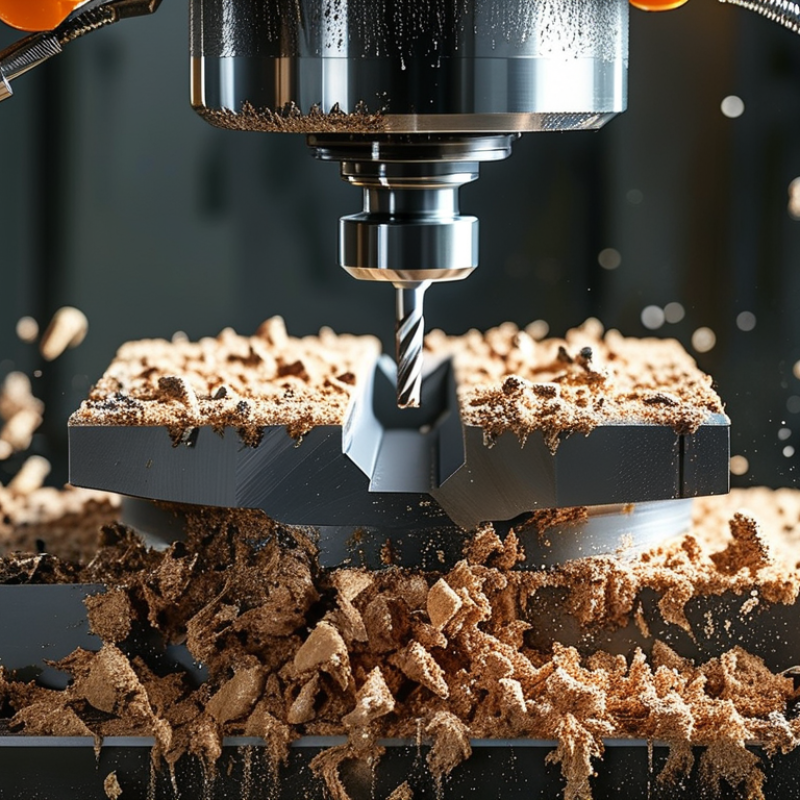
Choosing the right indexable mill involves understanding the types available. There are several variations, each designed for specific applications, materials, and machining conditions. Indexable face mills, for instance, excel in creating flat surfaces. They often feature interchangeable inserts that can be tailored for different tasks. This flexibility is vital for efficiency in manufacturing.
Another option is the indexable end mill. This type is beneficial for machining deep slots or contoured surfaces. Users should consider the geometry of the inserts. Specific shapes provide advantages in different scenarios. Ultimately, selecting the right tool can affect production speed and surface quality, which are critical for many industries.
While it's easy to feel overwhelmed, not every mill will suit every project. It's essential to consider your actual needs against the capabilities of each type. Trial and error may be necessary to find the best match. The goal is not perfection but practicality—a focus on productivity while managing costs. A thorough understanding of these tools can empower better decision-making in machining operations.
Choosing the right indexable mill is crucial for machining efficiency. Start with the material compatibility. Not all mills work well with every material. For instance, some excel with steel, while others perform better on aluminum. Understanding your specific needs helps narrow down options.
Next, consider the insert geometry. Different shapes impact cutting performance and tool life. A positive rake angle can improve chip flow, while a negative rake may offer better stability. Evaluate your typical applications to find the right fit. Tool life and wear resistance are also essential. Select a grade that withstands your cutting conditions, be it high-speed or heavy feed.
Lastly, don't overlook the milling strategy. Are you using climb or conventional milling? This affects the choice of cutter and insert design. Experimenting with different setups may reveal unexpected results. Remember, what works for one application might not be ideal for another. Keep track of performance and be prepared to reassess your choices regularly.
When selecting an indexable mill, the choice of cutting tool material and coatings is vital. Options include carbide, ceramic, and high-speed steel (HSS). Each material has distinct benefits and limitations. Carbide offers hardness and wear resistance, making it ideal for tough materials. However, it can be brittle and may require special handling.
Tool coatings significantly influence longevity and performance. Coatings like TiN, TiAlN, and DLC improve surface hardness and reduce friction. These enhancements lead to extended tool life and enhanced cutting efficiency. Yet, coatings can add cost and complexity. Evaluating the right combination for specific applications is crucial. Factors such as machining speed, material type, and desired finish will guide this decision.
Consider your production environment and frequency of use. Heavier workload may demand more resilient materials. Conversely, lighter tasks can utilize cost-effective options. It's essential to constantly assess operational demands and tool performance. Regular reviews help ensure your milling tools remain effective and efficient in production.
Choosing the right indexable mill is crucial for optimizing machining performance. The geometrical design directly impacts how effectively a mill can cut through materials. Key factors include the insert shape, angle, and the overall design of the cutter body. Each of these elements influences the cutting forces and the chip removal process.
When analyzing insert geometry, consider the intended application. A more pointed insert can enhance precision for fine details. Conversely, a flatter shape might be better for roughing tasks. The angle of the insert affects the cutting action and the surface finish. A steep angle may create higher forces, while a more gradual angle can help with smoother entry into the material.
Reflect on the specifics of your machining tasks. Not every design is perfect for all materials. For example, harder alloys may require a different geometry than softer metals. It's essential to experiment and adjust based on real-world feedback. Understanding how each aspect of geometrical design influences performance is vital. Each milling operation can reveal strengths and weaknesses in your choices. Make sure to adapt as you gain more insights.
When investing in indexable milling solutions, conducting a thorough cost-benefit analysis is essential. This process allows you to assess the financial viability of various milling tools. It’s crucial to factor in the initial costs of the tools, as well as their lifespan and maintenance needs. A higher initial investment might offer better durability and longer intervals between tool changes.
Consider the specific needs of your projects. How often will you use the mill? A less expensive option may suffice for occasional use but could lead to higher costs in the long run if it needs frequent replacements. Moreover, analyze the time saved during production. Faster, more efficient milling can significantly impact overall productivity, making your investment more justifiable.
Don’t overlook the learning curve involved. Some indexable mills may require specialized training. This added expense and time may erode the perceived cost benefits. Every project can present unique challenges. It's important to remain flexible in your analysis while ensuring that the chosen solution aligns with your operational goals. Balancing these factors can make a meaningful difference in your decision-making process.
„Thanks to the LUVIR technology, the solder resist process could be switched directly from the previously used mask exposure to direct exposure. As an outstanding digital solution on the market, this technology has been able to demonstrate fast process times and superior quality on our certified conventional ink in production. This allowed us to fully digitize the solder mask process at low cost – without process or ink adjustments. An excellent benefit to our production in Rot am See.“
Ralf Göhringer (Head of Production WE Rot am See)
I would definitely recommend the Limata machine and team for a future company purchase
Michael Greenaway
Compunetics Inc.
“The Limata ldi has been amazing!! Best thing we did was buy this machine”
Richard Brady
GM
Circuitlabs
“Since 2019, we have been running the Limata X1000 LDI system (including LUVIR for solder mask imaging) in daily production as an addition to our current process with film. The machine was capable of properly exposing Taiyo PSR-4000 BN (DI) solder mask types on normal to high-copper boards using a new and unique direct imaging process. The machine operating interface is very user friendly which allowed for a quick technical training curve. The pre-registration processing reduced several seconds of production time at every print. Limata support and service staff is incomparable. They supported our team every step of the way at basically any time of the day or night, with literally, an immediate response time, customizing the software interface to best fit our Operations and needs.
We have exposed more than 8,000 prints since end of October, on various solder mask colors and some resist film panels. Limata, has proven to be very capable and innovative. They are a strong contender in the industry.
We have very much enjoyed this project, and working with the team!
Thank you Limata for the continued support and being a part of our growth.”
Bill Sezate
Vice President, GM
Summit Interconnect
As a replacement to our current contact exposure process with film, the LIMATA X2000 system including LUVIR-Technology was capable of properly exposing non-LDI solder mask types using a direct imaging process. The machine offers cutting edge software with a very intuitive operating interface which allowed for quick technician training curve. The dual drawer system combined with pre-registration processing reduced several seconds of production time at every machine cycle. Limata support and service staff is world class. They added software patches to keep production running at shortest possible response times, customized the software interface to best fit our in-house Operations system, and even wrote a step-by-step machine processing manual. As a result of the project, we have exposed more than 16,000 times on various product types and solder mask brands/colors. Limata, in a very short timeframe as a company, has definitely shown they are truly innovative and will be challenging the industry of direct imaging for the top spot.
Kevin Beattie
Process Engineer
TTM Technologies
Forest Grove Division
