Choosing the right metal seated ball valve is essential for various industrial applications. It ensures effective flow control and durability under challenging conditions. Metal seated ball valves are known for their strength and longevity, especially in high-pressure environments. These valves are often used in oil, gas, and chemical processing, where reliability is paramount.
When selecting a metal seated ball valve, consider the materials and design. Different applications require specific features to handle temperature fluctuations and corrosive substances. Understanding these needs can help you find an ideal match. A well-chosen valve can enhance system efficiency and reduce maintenance costs.
However, some may overlook crucial factors, leading to unexpected issues. It's vital to assess the operating environment and compatibility. Misjudgments here can result in costly downtime. The goal is to find a valve that meets all specifications while ensuring safety and performance. Being thorough in your selection process will reward you with a dependable metal seated ball valve that stands the test of time.
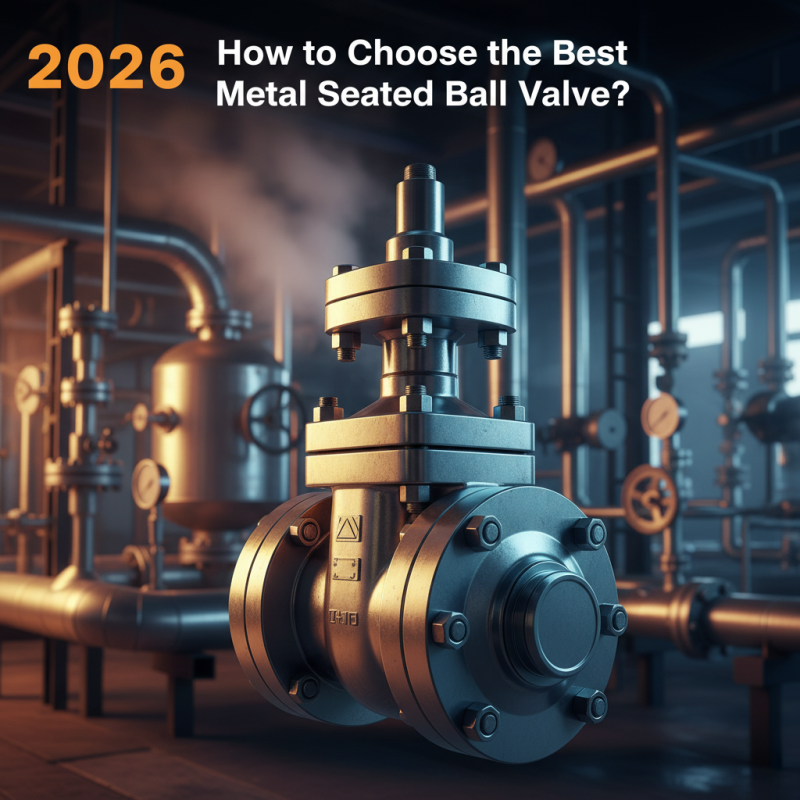
Metal seated ball valves are a reliable choice for various industrial applications. Their construction features a metal seat, making them suitable for high temperatures and pressures. This design enables them to handle abrasive materials better than soft seated valves. Engineers often prefer metal seated options for environments where durability is paramount, such as oil and gas industries.
When selecting the right valve, consider your specific needs. Look at the pressure rating and temperature limits of the metal seated ball valve. Check the compatibility with the fluids you'll be handling. These factors significantly affect performance and longevity.
Tip: Always consult with a valve expert to ensure the best choice for your application.
Another important feature is maintenance. Metal seated valves typically require more care than their soft seated counterparts. Regular inspections can help identify wear and tear early on. This proactive approach can save costs in the long run.
Tip: Keep a log of maintenance activities to track valve performance over time.
In summary, understanding the key features is vital for an optimal selection. An informed decision will lead to better efficiency and reliability in your operations.
Metal seated ball valves are essential in various industrial applications. They offer durability and reliability in high-temperature and high-pressure settings. Understanding their types can help in making informed choices.
There are generally three types of metal seated ball valves: trunnion-mounted, floating, and segmented ball valves. Trunnion-mounted valves are robust. They handle large flow rates and can endure severe conditions. Floating ball valves are best for lighter applications. They rely on pressure to seal. Segmented ball valves provide excellent flow control and are ideal for abrasive substances.
Choosing the right type requires more than just specifications. It demands an understanding of the environment in which they will operate. Factors like temperature, pressure, and the nature of the fluid matter. Each application can pose unique challenges. For instance, some valves might struggle with certain chemicals. This reflection on potential shortcomings is vital for long-term performance.
This chart illustrates the distribution of different types of metal seated ball valves used in various applications across industries.
When selecting a metal seated ball valve, several critical factors come into play. Material compatibility is crucial. Ensure that the valve material can withstand the specific chemicals in your application. Temperature and pressure ratings are also essential. Each valve has limits, and exceeding these can lead to failure.
Another aspect to consider is the design type of the valve. Some designs offer better sealing capabilities, while others excel in flow control. Evaluate your system's needs carefully. The size and connection types matter as well. Improper sizing can lead to inefficiencies or downtime.
Installation and maintenance are often overlooked but remain vital. Ensure that you have access for future maintenance needs. A difficult-to-reach valve can become a headache if repairs are necessary later. Don't ignore the importance of supplier reliability. A reputable supplier will provide guidance and support throughout the valve's lifecycle.
Proper installation is crucial for maximizing the efficiency of metal seated ball valves. Begin by ensuring the valve is suitable for your application. Check the pressure ratings and temperature limits. This ensures long-lasting performance. When installing, align the valve correctly with the pipeline. Misalignment can lead to leaks and premature failure. Use appropriate tools to avoid damaging the integrity of the valve.
Regular maintenance plays a vital role in the valve’s lifespan. Inspect seals and seats frequently for wear and tear. A small crack can lead to significant problems later. Lubrication is important but should be done carefully. Over-lubricating can attract debris, causing blockages. Consider implementing a routine maintenance schedule to detect issues early. This proactive approach can save costs in the long run. Stay informed about the specific requirements for your valve, as each type can have unique needs.
When selecting a metal seated ball valve, many common mistakes can lead to costly errors. A frequent oversight is underestimating the importance of material selection. The wrong material can lead to premature wear or failure. It's vital to match the valve material with the specific application’s pressure and temperature requirements. Many buyers focus purely on cost and overlook the long-term impact of their choice.
Another prevalent mistake is neglecting the valve’s size and connection type. A mismatched size can cause flow issues. If the valve doesn’t fit with existing piping, extra expenses arise. It's essential to measure accurately and consider connection types that align with your system. Misjudging flow rates and pressure drops can also occur without proper calculations.
Lastly, don’t ignore the valve manufacturer’s specifications. Some buyers skip this step, thinking all products are similar. Each manufacturer has different quality standards and testing protocols. A lack of research can result in selecting an unreliable product. Always seek out detailed specifications and consult professionals to make informed decisions.
„Thanks to the LUVIR technology, the solder resist process could be switched directly from the previously used mask exposure to direct exposure. As an outstanding digital solution on the market, this technology has been able to demonstrate fast process times and superior quality on our certified conventional ink in production. This allowed us to fully digitize the solder mask process at low cost – without process or ink adjustments. An excellent benefit to our production in Rot am See.“
Ralf Göhringer (Head of Production WE Rot am See)
I would definitely recommend the Limata machine and team for a future company purchase
Michael Greenaway
Compunetics Inc.
“The Limata ldi has been amazing!! Best thing we did was buy this machine”
Richard Brady
GM
Circuitlabs
“Since 2019, we have been running the Limata X1000 LDI system (including LUVIR for solder mask imaging) in daily production as an addition to our current process with film. The machine was capable of properly exposing Taiyo PSR-4000 BN (DI) solder mask types on normal to high-copper boards using a new and unique direct imaging process. The machine operating interface is very user friendly which allowed for a quick technical training curve. The pre-registration processing reduced several seconds of production time at every print. Limata support and service staff is incomparable. They supported our team every step of the way at basically any time of the day or night, with literally, an immediate response time, customizing the software interface to best fit our Operations and needs.
We have exposed more than 8,000 prints since end of October, on various solder mask colors and some resist film panels. Limata, has proven to be very capable and innovative. They are a strong contender in the industry.
We have very much enjoyed this project, and working with the team!
Thank you Limata for the continued support and being a part of our growth.”
Bill Sezate
Vice President, GM
Summit Interconnect
As a replacement to our current contact exposure process with film, the LIMATA X2000 system including LUVIR-Technology was capable of properly exposing non-LDI solder mask types using a direct imaging process. The machine offers cutting edge software with a very intuitive operating interface which allowed for quick technician training curve. The dual drawer system combined with pre-registration processing reduced several seconds of production time at every machine cycle. Limata support and service staff is world class. They added software patches to keep production running at shortest possible response times, customized the software interface to best fit our in-house Operations system, and even wrote a step-by-step machine processing manual. As a result of the project, we have exposed more than 16,000 times on various product types and solder mask brands/colors. Limata, in a very short timeframe as a company, has definitely shown they are truly innovative and will be challenging the industry of direct imaging for the top spot.
Kevin Beattie
Process Engineer
TTM Technologies
Forest Grove Division
