Choosing the best Rubber Conveyor Belt can be a daunting task, especially at large trade fairs like the Canton Fair. With numerous suppliers showcasing their products, finding the right one requires a strategy. The Canton Fair, scheduled from April to May 2026, introduces advanced features like AI navigation. This helps buyers locate suppliers that have specific certifications, such as ISO and CE. With over 1.55 million square meters of exhibition space, efficiency is crucial.
When evaluating Rubber Conveyor Belts, consider the material quality, strength, and intended application. Buyers should also assess the manufacturer’s reputation. A belt may look great, but performance matters. Many suppliers claim to offer the best, yet not all meet quality standards. Keep an open mind and be prepared to ask tough questions.
Understand the specific requirements for your industry. This includes load capacity and environmental resilience. Don't rush into a decision. Reflect on your choices and seek recommendations. Ultimately, the right Rubber Conveyor Belt can significantly impact your operations. The Canton Fair provides an excellent opportunity to explore options, but careful consideration is key.
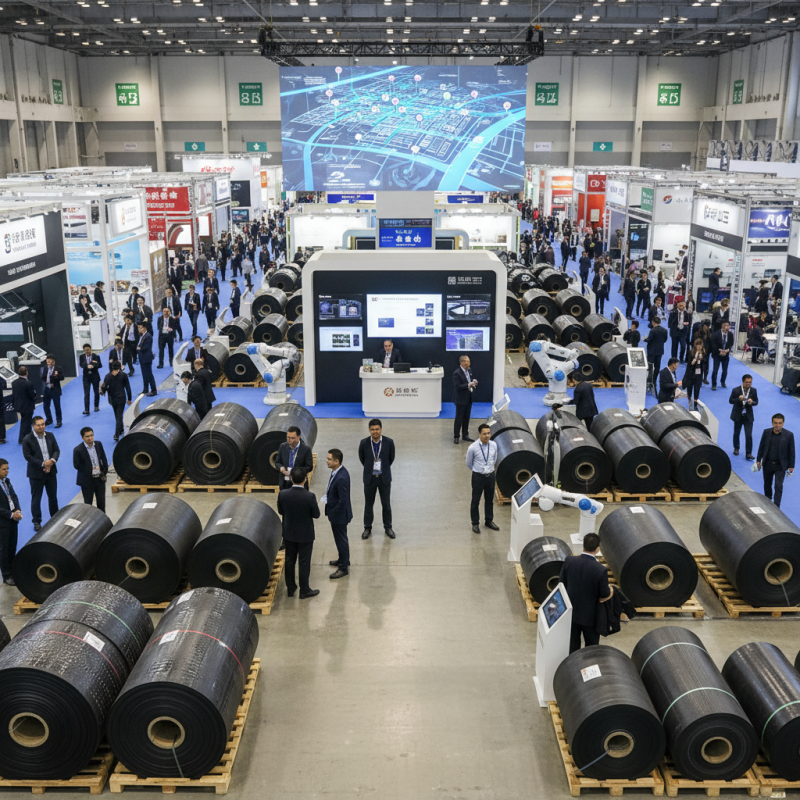
When selecting rubber conveyor belts, several critical factors demand attention. One of the most important aspects is the material composition. Rubber belts can vary in terms of durability, flexibility, and resistance to environmental factors. Research indicates that the right material can enhance longevity by up to 30%. This could significantly reduce replacement costs.
Another factor to consider is the belt's operational environment. Is it exposed to heavy loads or extreme temperatures? According to industry standards, belts used in heavy-duty applications should have a higher tensile strength. For instance, belts with a tensile strength of 200 N/mm are preferred for challenging environments.
Additionally, it’s essential to examine the belt's surface texture. A textured surface can provide better grip, reducing slippage during operations. Industry reports suggest that belts with appropriate surface designs can improve load stability by nearly 25%. Yet, buyers often overlook this aspect, which can lead to inefficiencies and safety concerns. Choosing the right conveyer belt requires careful consideration of these factors to ensure optimal performance.
At the Canton Fair, various types of rubber conveyor belts are showcased, catering to diverse industrial needs. One popular category includes general-purpose belts. These are designed for light to medium load applications. They usually feature a versatile rubber composition. This rubber can withstand both abrasion and moderate temperatures, making it an ideal choice for many businesses.
Another significant type is the oil-resistant conveyor belt. The Global Rubber Conveyor Belt Market report indicates that demand for oil-resistant belts is growing, especially in industries like automotive and food processing. These belts are formulated specifically to resist oil degradation. They help enhance durability and service life, especially in harsh environments.
Specialty belts are also on display. These include heat-resistant and chemical-resistant options. Heat-resistant belts maintain structural integrity under high temperatures. Chemical-resistant belts protect against corrosive substances. The right choice depends on your specific operational requirements. It's vital to analyze factors like load, environment, and materials handled. This decision-making process can often be challenging. Some buyers may overlook critical specifications, leading to inefficiencies. Therefore, reflecting on these details will help in selecting the best rubber conveyor belt for your needs.
When selecting a rubber conveyor belt, evaluating its quality and durability is crucial. Industry reports suggest that belts made from high-grade rubber exhibit a longer lifespan. In fact, studies show that using premium materials can extend service life by up to 40%. Look for belts designed to withstand harsh environments. Belts exposed to extreme temperatures or chemicals require enhanced durability.
Understanding the testing standards is vital. The International Organization for Standardization (ISO) provides specific guidelines for rubber conveyor belts. Belts that meet ISO 14890 standards are generally more reliable. They undergo rigorous testing for tensile strength and abrasion resistance. This can prevent costly downtime in production lines.
Take into account the manufacturing process. A belt may look sturdy, but without proper vulcanization, its durability may suffer. The thickness of the rubber plays a role too, as thicker belts can resist wear better. Unfortunately, some manufacturers cut corners to save costs. Be wary of the signs. A low price often indicates lower quality materials. Always verify the manufacturing details.
When considering conveyor belt purchases, pricing and budgeting are crucial. Reports show that rubber conveyor belts can range significantly in price, from $2 to $15 per meter depending on specifications. The type of rubber, durability, and intended use can all impact costs. Quality belts may seem pricey, but they often save money in the long run by reducing maintenance.
Budgeting for these purchases requires careful planning. Companies should evaluate their needs and potential future growth. It's wise to factor in not just belt costs but also installation and maintenance expenses. Industry statistics indicate that maintenance can consume up to 20% of the total cost of ownership over time. Thus, investing in higher-quality belts may lead to lower operational expenses overall.
Be prepared for fluctuations in costs. Market conditions and material shortages can affect pricing unpredictably. This unpredictability means you must have contingencies in your budget. Additionally, having a flexible approach may allow for better negotiation outcomes at trade shows like the Canton Fair, where many suppliers compete.
Effective communication is essential at the Canton Fair. When interacting with suppliers, clarity is key. Prepare specific questions in advance. This approach helps in getting straight to the point. Avoid vague inquiries; instead, focus on details. Suppliers appreciate directness. It shows that you are serious about your needs.
Using visual aids can improve understanding. Bring samples or images of the products you’re interested in. This gives suppliers a clear idea of what you are looking for. Additionally, take notes during discussions. This helps you track important details and follow up later.
Sometimes, messages are lost in translation. Clarify points immediately to avoid confusion.
Building rapport is also beneficial. A friendly demeanor can create a more open environment. Don't rush conversations; take your time to build trust. However, be mindful of cultural differences. Misinterpretations can occur easily. Ask for clarification if needed. A small misunderstanding can derail negotiations. Focus on making genuine connections.
„Thanks to the LUVIR technology, the solder resist process could be switched directly from the previously used mask exposure to direct exposure. As an outstanding digital solution on the market, this technology has been able to demonstrate fast process times and superior quality on our certified conventional ink in production. This allowed us to fully digitize the solder mask process at low cost – without process or ink adjustments. An excellent benefit to our production in Rot am See.“
Ralf Göhringer (Head of Production WE Rot am See)
I would definitely recommend the Limata machine and team for a future company purchase
Michael Greenaway
Compunetics Inc.
“The Limata ldi has been amazing!! Best thing we did was buy this machine”
Richard Brady
GM
Circuitlabs
“Since 2019, we have been running the Limata X1000 LDI system (including LUVIR for solder mask imaging) in daily production as an addition to our current process with film. The machine was capable of properly exposing Taiyo PSR-4000 BN (DI) solder mask types on normal to high-copper boards using a new and unique direct imaging process. The machine operating interface is very user friendly which allowed for a quick technical training curve. The pre-registration processing reduced several seconds of production time at every print. Limata support and service staff is incomparable. They supported our team every step of the way at basically any time of the day or night, with literally, an immediate response time, customizing the software interface to best fit our Operations and needs.
We have exposed more than 8,000 prints since end of October, on various solder mask colors and some resist film panels. Limata, has proven to be very capable and innovative. They are a strong contender in the industry.
We have very much enjoyed this project, and working with the team!
Thank you Limata for the continued support and being a part of our growth.”
Bill Sezate
Vice President, GM
Summit Interconnect
As a replacement to our current contact exposure process with film, the LIMATA X2000 system including LUVIR-Technology was capable of properly exposing non-LDI solder mask types using a direct imaging process. The machine offers cutting edge software with a very intuitive operating interface which allowed for quick technician training curve. The dual drawer system combined with pre-registration processing reduced several seconds of production time at every machine cycle. Limata support and service staff is world class. They added software patches to keep production running at shortest possible response times, customized the software interface to best fit our in-house Operations system, and even wrote a step-by-step machine processing manual. As a result of the project, we have exposed more than 16,000 times on various product types and solder mask brands/colors. Limata, in a very short timeframe as a company, has definitely shown they are truly innovative and will be challenging the industry of direct imaging for the top spot.
Kevin Beattie
Process Engineer
TTM Technologies
Forest Grove Division
