Selecting the right solar inverter for your needs is crucial. A solar inverter is the heart of any solar energy system. It converts direct current (DC) from solar panels into alternating current (AC) for household use. The choice of inverter can significantly impact energy efficiency and overall system performance.
Not all solar inverters are created equal. Different types serve different purposes. For example, string inverters are popular for residential setups, while microinverters are suitable for complex roofs. Understanding your unique energy demands is essential. This ensures you choose a solar inverter that aligns with your lifestyle and energy goals.
Investing in a high-quality solar inverter can yield long-term benefits. It may seem overwhelming at first, especially with so many options. However, a well-chosen inverter can maximize savings and increase reliability. Take your time during the selection process. Reflect on how your energy needs may change in the future. Keep in mind, the right solar inverter can enhance your solar experience.
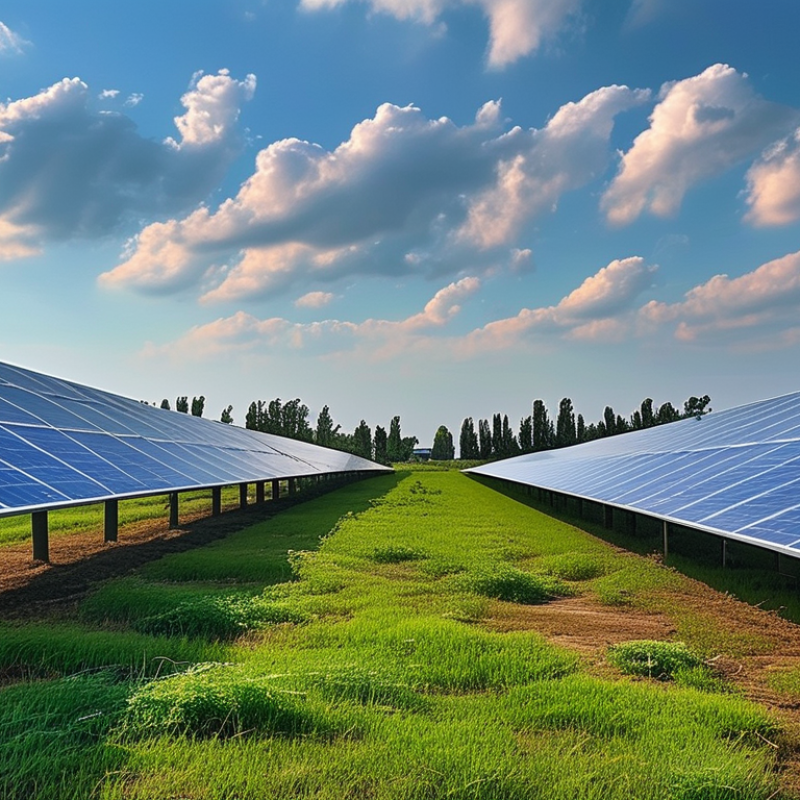
Solar inverters are essential components in solar energy systems. They convert the direct current (DC) produced by solar panels into alternating current (AC), which powers homes and businesses. Understanding their role is vital for making informed choices about solar energy. A reliable inverter ensures efficiency and maximizes the energy output from your solar array.
Different types of solar inverters exist: string inverters, microinverters, and power optimizers. Each type has its advantages and challenges. For instance, string inverters are often more economical, yet they may struggle in partially shaded environments. Microinverters tend to perform better under varied conditions but come with a higher price tag. Evaluating your specific needs is crucial for selecting the best option.
Selecting the right inverter requires careful consideration of features like efficiency ratings and monitoring capabilities. Some inverters provide real-time data on energy production. This allows users to track performance but may lead to overconfidence in the system. It’s essential to understand how environmental factors can impact energy generation and the inverter's performance. A deeper understanding of these elements can lead to better long-term planning and energy independence.
When selecting a solar inverter, it’s essential to understand the different types: grid-tied, off-grid, and hybrid. Grid-tied inverters connect directly to the electrical grid. They allow homeowners to sell excess energy back to the grid. According to the National Renewable Energy Laboratory, in 2022, over 80% of new solar installations used grid-tied systems. This option is ideal for those who live in urban areas with reliable utility service.
Off-grid inverters work independently from the utility grid. They are commonly used in remote locations where grid access is limited. Data from Solar Power International indicates that off-grid systems accounted for approximately 10% of new installations last year. While they provide energy independence, these systems often require battery storage, adding complexity and cost. Many homeowners find the investment challenging.
Hybrid inverters, which combine elements of both grid-tied and off-grid systems, are gaining popularity. They offer flexibility and can optimize energy use during outages. A report from the International Energy Agency highlights that hybrid installations are expected to grow by 15% annually. However, potential buyers need to consider their specific energy needs and local regulations. Each inverter type has pros and cons, so assessing energy usage and lifestyle is crucial.
Choosing the right solar inverter is essential for optimizing solar energy production. Key factors include inverter type, efficiency ratings, and warranty offerings. The two common types are string inverters and microinverters. String inverters are cost-effective but may struggle in shaded conditions. Microinverters often provide better performance in diverse environments.
Efficiency is crucial. According to industry reports, high-efficiency inverters can exceed 98%, increasing overall system performance. A small efficiency gain can translate to significant energy savings over time. Some reports indicate that every 1% increase in inverter efficiency can yield up to 10% more energy annually. When evaluating inverters, consider their maximum DC input and how it matches your solar array size.
Warranty duration is also important. Look for inverters with at least a 10-year warranty. A longer warranty often indicates manufacturer confidence and may provide reassurance about reliability. While it’s tempting to choose based solely on price, investing in quality pays off in longevity and performance.
Tips: Always check for independent reviews and efficiency ratings. Don’t hesitate to ask for advice from solar energy professionals. Understand that certain configurations may yield better results than others, so tailored solutions often outperform generic ones. Reflect on your specific energy needs before making a decision.
When selecting a solar inverter, efficiency ratings play a pivotal role. Studies reveal that inverter efficiency directly affects the overall performance of a solar energy system. According to the National Renewable Energy Laboratory (NREL), an inverter with just 1% higher efficiency can generate thousands of additional kilowatt-hours over its lifetime. This small difference significantly impacts the return on investment (ROI).
Choosing an inverter with high efficiency ratings is crucial. Research indicates that inverters typically operate between 95% to 98% efficiency. However, many systems struggle to reach top performance due to suboptimal conditions. Factors such as temperature, shading, and installation quality can lower actual efficiency. It’s essential to consider these aspects when evaluating performance, as real-world outcomes may differ from manufacturer claims.
Moreover, efficiency ratings also include partial load performance. Some inverters excel only at full capacity. When energy demands fluctuate, inverter efficiency can drop, causing potential energy loss. A balanced consideration of peak and off-peak efficiency is vital for maximizing energy output. These insights should guide decisions when investing in solar technology, ensuring long-term benefits align with actual performance.
When choosing a solar inverter, understanding costs and long-term savings is crucial. Different models have varying price points. Some may cost more upfront but promise better efficiency. Checking the specifications can feel overwhelming. Not all inverters offer the same return on investment.
Consider installation costs as well. Complex systems can lead to higher expenses. Evaluating energy needs might show you don’t need the top-tier model. A mid-range option could suffice for residential use. Reflect on your energy consumption over time. How much do you expect your usage to grow?
Long-term savings can be significant, but there can be trade-offs. Some inverters may have warranties that seem promising. However, service issues might arise over time. It’s wise to research user reviews and talk to professionals. Hearing about real experiences helps clarify what works best for different situations. Always weigh upfront costs against potential savings carefully.
„Thanks to the LUVIR technology, the solder resist process could be switched directly from the previously used mask exposure to direct exposure. As an outstanding digital solution on the market, this technology has been able to demonstrate fast process times and superior quality on our certified conventional ink in production. This allowed us to fully digitize the solder mask process at low cost – without process or ink adjustments. An excellent benefit to our production in Rot am See.“
Ralf Göhringer (Head of Production WE Rot am See)
I would definitely recommend the Limata machine and team for a future company purchase
Michael Greenaway
Compunetics Inc.
“The Limata ldi has been amazing!! Best thing we did was buy this machine”
Richard Brady
GM
Circuitlabs
“Since 2019, we have been running the Limata X1000 LDI system (including LUVIR for solder mask imaging) in daily production as an addition to our current process with film. The machine was capable of properly exposing Taiyo PSR-4000 BN (DI) solder mask types on normal to high-copper boards using a new and unique direct imaging process. The machine operating interface is very user friendly which allowed for a quick technical training curve. The pre-registration processing reduced several seconds of production time at every print. Limata support and service staff is incomparable. They supported our team every step of the way at basically any time of the day or night, with literally, an immediate response time, customizing the software interface to best fit our Operations and needs.
We have exposed more than 8,000 prints since end of October, on various solder mask colors and some resist film panels. Limata, has proven to be very capable and innovative. They are a strong contender in the industry.
We have very much enjoyed this project, and working with the team!
Thank you Limata for the continued support and being a part of our growth.”
Bill Sezate
Vice President, GM
Summit Interconnect
As a replacement to our current contact exposure process with film, the LIMATA X2000 system including LUVIR-Technology was capable of properly exposing non-LDI solder mask types using a direct imaging process. The machine offers cutting edge software with a very intuitive operating interface which allowed for quick technician training curve. The dual drawer system combined with pre-registration processing reduced several seconds of production time at every machine cycle. Limata support and service staff is world class. They added software patches to keep production running at shortest possible response times, customized the software interface to best fit our in-house Operations system, and even wrote a step-by-step machine processing manual. As a result of the project, we have exposed more than 16,000 times on various product types and solder mask brands/colors. Limata, in a very short timeframe as a company, has definitely shown they are truly innovative and will be challenging the industry of direct imaging for the top spot.
Kevin Beattie
Process Engineer
TTM Technologies
Forest Grove Division
