In today's industrial landscape, the choice of lifting equipment plays a critical role in operational efficiency. An Electric Hoist has become a go-to solution for many businesses, thanks to its impressive load capacity and ease of use. According to industry reports, the global electric hoist market was valued at approximately $3.5 billion in 2022 and is projected to grow significantly. The efficiency of an Electric Hoist can reduce operating costs and increase productivity, making it a smart investment for companies.
However, with various options available, it's essential to choose wisely. Many users may not fully understand their operational requirements, leading to suboptimal choices. An Electric Hoist is not just about lifting heavy loads; it also provides features like speed control and safety mechanisms. Such features enhance reliability and protect workers. Yet, some businesses overlook these factors, focusing solely on initial costs. This oversight can lead to increased downtime and maintenance issues in the long run.
Furthermore, safety should always be a priority. Electric Hoists are designed with advanced safety systems, but user training is crucial. Misuse can lead to accidents, which result in costly delays and harm. Companies must invest time in understanding the equipment’s capabilities. Ultimately, the right Electric Hoist can transform lifting operations, but it requires thoughtful selection and responsible use.
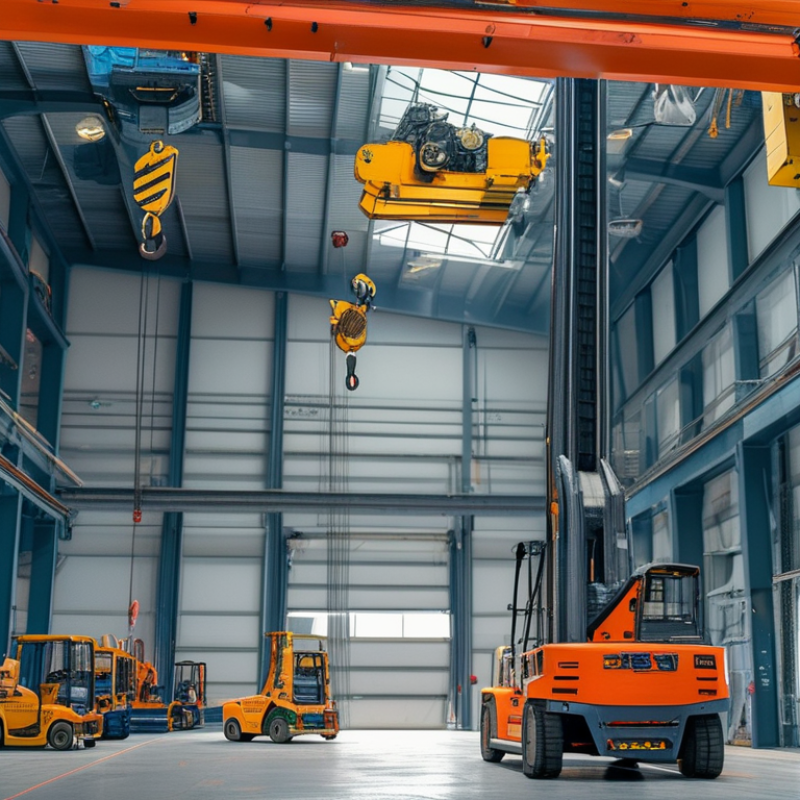
When it comes to lifting heavy objects, electric hoists offer distinct advantages over manual options. One primary benefit is efficiency. Electric hoists can lift and lower loads quickly, often with just the push of a button. This speed can significantly reduce project time, especially in industrial settings where every second counts.
Another key aspect is the reduced physical strain on operators. Manual hoisting can lead to fatigue and injury from repetitive motions or heavy lifting. Electric hoists minimize these risks by doing the hard work for you. Moreover, they often include safety features that prevent overloading, which enhances overall workplace safety.
While electric hoists can present a higher upfront cost, their long-term benefits are substantial. Maintenance and operational costs are typically lower compared to manual hoists. However, it’s crucial to regularly assess and maintain electric hoists for safety and reliability. Neglecting this can lead to costly repairs or accidents. Embracing electric hoists means prioritizing efficiency and safety in lifting tasks.
When selecting an electric hoist, there are key features to consider. The hoist's lifting capacity is crucial. Ensure it can handle your heaviest loads. A hoist with a higher capacity than your maximum load is safer. Look for a model with an overload protection feature. This prevents potential accidents caused by overloading.
Speed is another vital aspect. Different projects require different lifting speeds. A faster hoist saves time but may not always be necessary. Evaluate the tasks you need to complete. Choose a hoist that aligns with your workflow, balancing speed and control.
**Tip:** Regular maintenance is essential. Check the cables and pulleys frequently. This ensures efficiency and safety.
Consider the hoist's design. Portable options are great for job sites. If you need something stationary, look for a durable unit that can withstand the elements. The ease of installation matters too. Some models require complex setup, while others offer simplicity.
**Tip:** Read user reviews to gauge reliability. Real experiences provide insights beyond specifications.
Lastly, think about the power source. Electric hoists can be powered by batteries or electricity. Battery-operated ones offer flexibility, while wired options provide consistent power. Choose based on your working environment. Good decision-making today ensures smoother lifting for tomorrow's tasks.
When considering an electric hoist, safety must be a top priority. These devices can lift heavy loads, making it essential to follow proper usage guidelines. Operators should receive thorough training to understand the equipment's functions and limitations. Even experienced users can overlook safety checks, which can lead to accidents. Regular maintenance of the hoist is crucial. A worn or damaged component can create dangerous situations.
Before operating an electric hoist, check the surroundings for potential hazards. Overhead obstacles, unstable ground, or inadequate power sources can compromise safety. Always use appropriate personal protective equipment. Inspect the hoist's power supply and connections as well. Unintentional power loss can lead to dropped loads, causing serious injury or damage. Small mistakes can have severe consequences.
Being vigilant is key when using an electric hoist. Remember that human error is a common factor in accidents. Encourage a culture of communication among operators. Sharing experiences can foster better practices and safety awareness. Even minor oversights deserve reflection. Safety is not just about following rules; it’s about creating a habit of caution and mindfulness in every lifting operation.
| Feature | Description | Safety Consideration |
|---|---|---|
| Load Capacity | Electric hoists come in various load capacities, suitable for different lifting needs. | Ensure the hoist is rated for the weight being lifted to prevent failures and accidents. |
| Operation Speed | Electric hoists allow for quick lifting and lowering of loads, increasing productivity. | Avoid rapid operation without supervision to manage load safety. |
| Power Source | Electric hoists run on electric power, eliminating the need for manual effort. | Ensure proper electrical connections and use appropriate power ratings. |
| Control Mechanism | Most electric hoists feature a remote control for easy operation from a distance. | Use the remote control properly to prevent unintended movements of the load. |
| Durability | Electric hoists are designed for heavy-duty use with robust materials. | Regularly inspect for wear and tear to maintain safety standards. |
| Portability | Some models are lightweight and portable for versatile applications. | Ensure stable setup on uneven surfaces to avoid tipping hazards. |
Electric hoists play a crucial role in various industries. Construction sites benefit significantly from their lifting capabilities. Workers rely on electric hoists to move heavy materials efficiently. Instead of manual labor, these machines save time and reduce the risk of injuries. They can lift loads to impressive heights, making them essential for tall buildings.
Manufacturing facilities also see great advantages. Electric hoists streamline assembly lines. They transport heavy components with ease. This enhances productivity and maintains safety standards. In warehouses, electric hoists facilitate quick loading and unloading. They reduce strain on workers, allowing them to focus on other tasks.
Despite their many benefits, some challenges exist. Maintenance is crucial to ensure optimal performance. Operators need proper training for safe usage. Occasional malfunctions can disrupt operations. Reflecting on these factors is essential for effective implementation. Balancing benefits and potential issues leads to better decision-making in using electric hoists.
This bar chart illustrates the percentage of electric hoist usage across various industries. The construction industry leads with 30%, followed by manufacturing and warehouse applications. Electric hoists contribute significantly to improving efficiency and safety in these sectors.
Electric hoists are transforming the lifting industry due to their cost-effectiveness and operational efficiency. Businesses leveraging these tools often see significant reductions in labor costs. Electric hoists require less manual input, allowing personnel to focus on other essential tasks. This shift leads to higher productivity as operations become smoother and more streamlined.
In addition to labor savings, electric hoists can handle heavy loads with precision. This efficiency minimizes wear and tear, which can lead to longer lifespans for the equipment. Regular maintenance is crucial, though. It can be easy to overlook minor issues that may escalate into major problems later.
Tips: Always check the load capacity before use. This simple step can prevent accidents. Invest in training for operators to ensure safety. Understanding the equipment better can significantly enhance performance. Choose a reliable power source, as fluctuations can impact lifting efficiency.
„Thanks to the LUVIR technology, the solder resist process could be switched directly from the previously used mask exposure to direct exposure. As an outstanding digital solution on the market, this technology has been able to demonstrate fast process times and superior quality on our certified conventional ink in production. This allowed us to fully digitize the solder mask process at low cost – without process or ink adjustments. An excellent benefit to our production in Rot am See.“
Ralf Göhringer (Head of Production WE Rot am See)
I would definitely recommend the Limata machine and team for a future company purchase
Michael Greenaway
Compunetics Inc.
“The Limata ldi has been amazing!! Best thing we did was buy this machine”
Richard Brady
GM
Circuitlabs
“Since 2019, we have been running the Limata X1000 LDI system (including LUVIR for solder mask imaging) in daily production as an addition to our current process with film. The machine was capable of properly exposing Taiyo PSR-4000 BN (DI) solder mask types on normal to high-copper boards using a new and unique direct imaging process. The machine operating interface is very user friendly which allowed for a quick technical training curve. The pre-registration processing reduced several seconds of production time at every print. Limata support and service staff is incomparable. They supported our team every step of the way at basically any time of the day or night, with literally, an immediate response time, customizing the software interface to best fit our Operations and needs.
We have exposed more than 8,000 prints since end of October, on various solder mask colors and some resist film panels. Limata, has proven to be very capable and innovative. They are a strong contender in the industry.
We have very much enjoyed this project, and working with the team!
Thank you Limata for the continued support and being a part of our growth.”
Bill Sezate
Vice President, GM
Summit Interconnect
As a replacement to our current contact exposure process with film, the LIMATA X2000 system including LUVIR-Technology was capable of properly exposing non-LDI solder mask types using a direct imaging process. The machine offers cutting edge software with a very intuitive operating interface which allowed for quick technician training curve. The dual drawer system combined with pre-registration processing reduced several seconds of production time at every machine cycle. Limata support and service staff is world class. They added software patches to keep production running at shortest possible response times, customized the software interface to best fit our in-house Operations system, and even wrote a step-by-step machine processing manual. As a result of the project, we have exposed more than 16,000 times on various product types and solder mask brands/colors. Limata, in a very short timeframe as a company, has definitely shown they are truly innovative and will be challenging the industry of direct imaging for the top spot.
Kevin Beattie
Process Engineer
TTM Technologies
Forest Grove Division
