Choosing the right injection blow molded lightweight coolers can be challenging. With various options available, it’s essential to understand their unique features. These coolers are not just for convenience; they offer durability and thermal efficiency.
Understanding how injection blow molding works can help you make a better choice. This process creates strong, lightweight materials. They withstand the rigors of outdoor activities. Yet, with so many brands and designs, which one stands out? It’s easy to get lost in marketing claims. You need to focus on essential features.
Consider factors like insulation quality and portability. Some coolers may look appealing but lack in performance. Reflect on your needs and usage. Are you a casual camper or an avid adventurer? Answering these questions can guide your decision. Make an informed choice for your next outdoor experience.
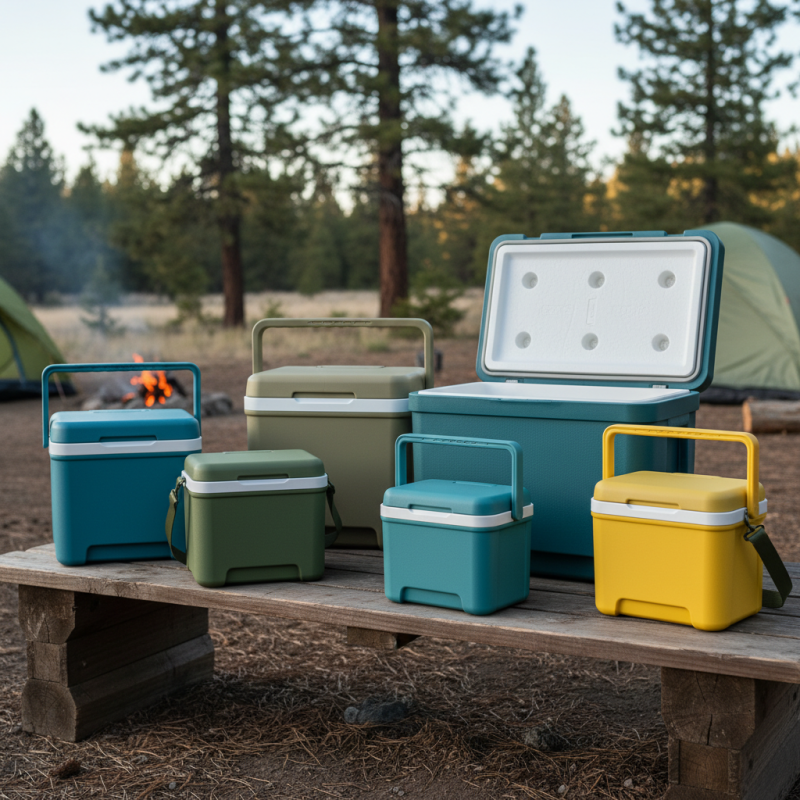
Injection blow molding is a crucial process in creating lightweight coolers. This method combines the efficiency of blow molding with the precision of injection molding. It offers manufacturers the ability to make complex shapes with minimal material waste. According to a recent report from Allied Market Research, the injection molding market is projected to grow to $384 billion by 2027. This growth highlights the increasing reliance on innovative manufacturing processes, including injection blow molding.
In this process, thermoplastic materials are used, making the coolers lightweight yet durable. Engineers can design products with varying wall thicknesses, optimizing insulation without compromising on strength. A study by MarketsandMarkets revealed that 34% of manufacturers prioritize lightweight materials for energy efficiency and cost-effectiveness. However, achieving the right balance of lightness and durability requires expertise. Manufacturers must continuously refine their techniques, as improper molding can lead to defects and product failures.
Despite the advantages, challenges exist. Tuning the temperature and pressure during production is essential. Even slight deviations can affect the integrity of the final product. The industry must focus on improving these parameters to reduce defect rates and enhance reliability. Understanding the nuances of injection blow molding ensures that manufacturers create products that meet consumer demands for lightweight and high-performance coolers.
Lightweight coolers have become essential for outdoor enthusiasts. They offer portability and ease of use, making them ideal for camping, picnics, and beach trips. One significant advantage is their ability to maintain temperature, keeping food and beverages cool for hours. This feature enhances the enjoyment of any outdoor activity, from hiking to tailgating.
Another benefit of lightweight coolers is their design. They are often molded using advanced techniques, making them durable yet easy to carry. You can find varieties that fit perfectly in backpacks or can be comfortably carried by hand. However, it’s important to note that their lightweight nature may compromise some insulation. This trade-off is worth considering, especially for longer trips.
In addition, the variety of colors and styles available allows users to express their personalities. However, this choice might lead to confusion when selecting the best option for specific needs. Carefully evaluating your activities can guide your decision. When you select a cooler, think about the duration of your outing and your specific cooling requirements. This reflection is key for making an informed choice.
When selecting materials for injection blow molded coolers, insulation and durability are key factors. Polypropylene and polyethylene are popular choices. They offer good thermal insulation and resist impact. Additionally, these materials are lightweight, enhancing portability for outdoor enthusiasts.
Thermal performance is vital. A well-insulated cooler maintains temperature longer, preventing spoilage. However, not all materials provide the same insulation efficiency. Some options may look good on paper but fail under real conditions. Testing a cooler in various temperatures can help gauge its effectiveness.
Durability is another consideration. Materials should withstand wear and tear. However, some may crack under pressure or harsh conditions. Users often overlook this until they face a failure. Seeking expert reviews or feedback from experienced users can provide insights into long-term performance. Material choice impacts not only insulation but also how long the cooler lasts. Opting for trusted, tested materials is essential for reliability in outdoor activities.
When selecting lightweight coolers, it's crucial to assess their performance in terms of temperature retention and weight. Research from industry experts reveals that the best injection blow molded coolers maintain cold temperatures for extended periods. For instance, certain models can retain ice for up to 3 days, depending on external conditions. This retention is often linked to the insulation material and design. Understanding these factors is essential for users seeking reliable performance.
Weight considerations also play a significant role. Many coolers on the market weigh between 5 to 10 pounds. Lighter models, however, often sacrifice some thermal performance. A study indicates that weight reduction can lead to a 20% decrease in ice retention over 48 hours. This trade-off can influence your cooling needs, especially for long trips. Evaluating this balance can mean the difference between a cold drink and warm disappointment.
In practice, some users find that certain lightweight models fail under rigorous conditions. Not all brands deliver consistent results. Users often report varied experiences due to environmental factors, such as heat and humidity. This inconsistency highlights the importance of personal research before making a choice. Understanding both performance metrics and user experiences can guide better decisions.
The compartmentalized cooler industry is evolving rapidly. Consumers seek lightweight yet durable solutions. Injection blow molding technology is gaining traction. This method produces seamless, lightweight designs. As a result, coolers can maintain optimal insulation while being easier to transport.
Market trends indicate a growing demand for multifunctional designs. Many users now prefer coolers with separate compartments for drinks and food. This allows for better organization during outings. Innovations also focus on eco-friendly materials. Sustainable options are increasingly appealing to environmentally conscious consumers. Lightweight construction combined with smart design enhances usability.
However, some products still face challenges. Durability often competes with weight, leading to trade-offs. Not all lightweight options maintain the same level of insulation. Manufacturers must carefully balance these factors. User feedback is essential for guiding improvements. Listening to consumers helps identify priorities for future designs.
„Thanks to the LUVIR technology, the solder resist process could be switched directly from the previously used mask exposure to direct exposure. As an outstanding digital solution on the market, this technology has been able to demonstrate fast process times and superior quality on our certified conventional ink in production. This allowed us to fully digitize the solder mask process at low cost – without process or ink adjustments. An excellent benefit to our production in Rot am See.“
Ralf Göhringer (Head of Production WE Rot am See)
I would definitely recommend the Limata machine and team for a future company purchase
Michael Greenaway
Compunetics Inc.
“The Limata ldi has been amazing!! Best thing we did was buy this machine”
Richard Brady
GM
Circuitlabs
“Since 2019, we have been running the Limata X1000 LDI system (including LUVIR for solder mask imaging) in daily production as an addition to our current process with film. The machine was capable of properly exposing Taiyo PSR-4000 BN (DI) solder mask types on normal to high-copper boards using a new and unique direct imaging process. The machine operating interface is very user friendly which allowed for a quick technical training curve. The pre-registration processing reduced several seconds of production time at every print. Limata support and service staff is incomparable. They supported our team every step of the way at basically any time of the day or night, with literally, an immediate response time, customizing the software interface to best fit our Operations and needs.
We have exposed more than 8,000 prints since end of October, on various solder mask colors and some resist film panels. Limata, has proven to be very capable and innovative. They are a strong contender in the industry.
We have very much enjoyed this project, and working with the team!
Thank you Limata for the continued support and being a part of our growth.”
Bill Sezate
Vice President, GM
Summit Interconnect
As a replacement to our current contact exposure process with film, the LIMATA X2000 system including LUVIR-Technology was capable of properly exposing non-LDI solder mask types using a direct imaging process. The machine offers cutting edge software with a very intuitive operating interface which allowed for quick technician training curve. The dual drawer system combined with pre-registration processing reduced several seconds of production time at every machine cycle. Limata support and service staff is world class. They added software patches to keep production running at shortest possible response times, customized the software interface to best fit our in-house Operations system, and even wrote a step-by-step machine processing manual. As a result of the project, we have exposed more than 16,000 times on various product types and solder mask brands/colors. Limata, in a very short timeframe as a company, has definitely shown they are truly innovative and will be challenging the industry of direct imaging for the top spot.
Kevin Beattie
Process Engineer
TTM Technologies
Forest Grove Division
