Choosing the right Can End Making Machine is crucial for any packaging operation. Industry expert John Smith, a leading engineer in the field, emphasizes, "Selecting the right machine saves time and enhances production quality." With so many options available, decisions can feel overwhelming.
Understanding your specific needs is vital. Determine the type of can ends you produce and the desired production speed. Consider the materials used and the machine's versatility. This knowledge shapes your purchase decision.
Flexibility is essential. Not all machines fit every requirement. Some may excel in high-speed production but lack the ability to handle various sizes. Engaging with manufacturers directly can uncover their expertise and product capabilities. It's worth taking the time to evaluate your choices carefully.
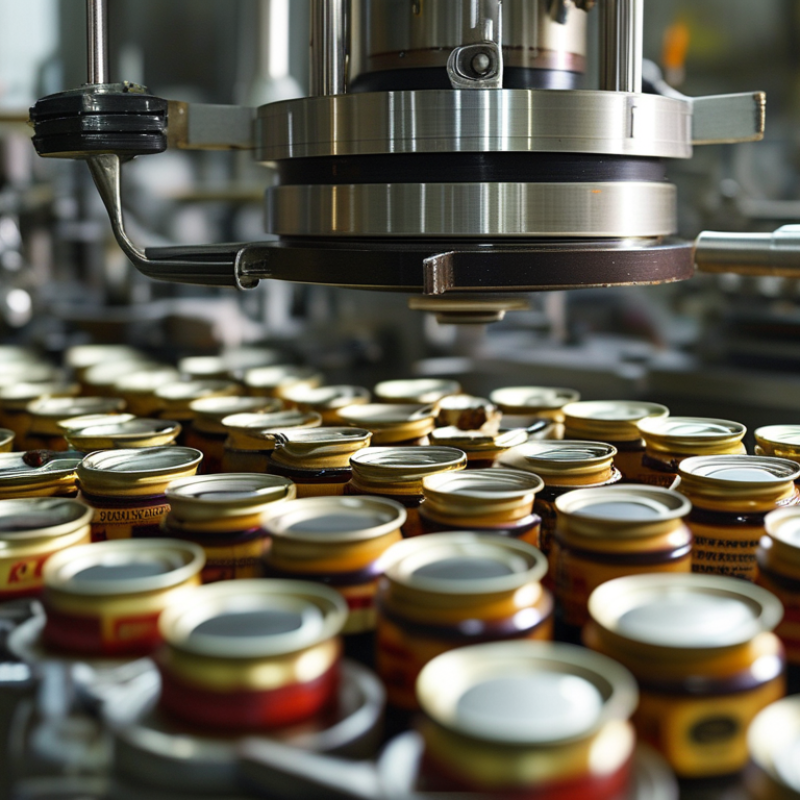
Choosing the right end making machine can be challenging. Understanding different types is crucial. There are various machines, each designed for specific tasks. Some are best for metal, while others handle plastics. Knowing your material helps narrow down options.
Consider the features each machine offers. For instance, automatic machines improve efficiency. Manual machines provide greater control. Think about your production volume. Higher volumes may justify the cost of advanced machinery. However, smaller operations might find simpler options sufficient.
Maintenance is also a factor. Some machines require regular upkeep, while others are low-maintenance. Reliability can vary, so always research user experiences. It's wise to evaluate the long-term investment. Decisions should not be rushed. Reflecting on your specific needs is essential for a satisfactory choice.
Selecting the right end making machine involves knowing key specifications. Understanding these details will help you avoid costly mistakes. One crucial factor is the machine's production capacity. Assess how many units you need daily. A machine with low output might slow down your operations. Alternatively, an over-capacity machine can lead to unnecessary expenditure.
Another important specification is the machine's precision. High precision is vital for quality production. Investigate the tolerances the machine can achieve. Some machines may promise precision but fail to deliver in real-world applications. Additionally, consider the materials you intend to use. Different machines work better with various materials. Compatibility is essential to ensure efficiency.
Keep in mind the machine's maintenance requirements. Some machines might need frequent servicing, impacting your workflow. Understanding maintenance costs can guide your decision-making. Additionally, check the warranty and support provided by the manufacturer. A good warranty can add to your peace of mind. Ultimately, reflect on your specific needs and operational goals. Choose wisely to ensure a fruitful investment.
Determining production capacity is crucial when selecting an end making machine. Many industries require different output levels. According to industry reports, a medium-sized operation may need 2,000 to 5,000 ends per hour. Assessing your specific needs helps in choosing a machine that supports your goals. If you underestimate your capacity, delays may arise, impacting customer satisfaction.
Consider the type of products you manufacture. Specific applications, like food or beverage packaging, might demand higher precision. Complexity affects output as well. A machine capable of producing 3,000 ends per hour might be inefficient if your demand is closer to 1,500. Inadequate capacity leads to an unhealthy backlog.
High-volume production can benefit from machines rated for larger outputs. However, cost and floor space are essential factors to examine. Investing in a machine with excess capacity isn't always wise. It may require extra maintenance and training. Balancing capacity with operational efficiency leads to better long-term performance. Adjusting to market needs can present challenges, especially for smaller businesses.
| Machine Type | Hourly Production Capacity (Ends) | Power Requirement (kW) | Footprint (m²) | Price Range ($) |
|---|---|---|---|---|
| Standard Model | 1500 | 5 | 2.5 | 10,000 - 12,000 |
| High-Speed Model | 3000 | 7 | 3.0 | 15,000 - 18,000 |
| Compact Model | 800 | 3 | 1.5 | 5,000 - 7,000 |
| Automated Model | 2500 | 6 | 2.8 | 12,000 - 15,000 |
Selecting the right end making machine involves crucial considerations, particularly regarding material compatibility. The material used in production directly affects the machine's performance and longevity. According to industry reports, approximately 30% of machine failures are attributed to improper material selection. This statistic underscores the importance of aligning your material choice with machine specifications.
Engineered materials such as high-density polyethylene (HDPE) or polypropylene can offer superior performance in end making applications. These materials exhibit excellent durability and resilience, leading to fewer breakdowns and lower maintenance costs. A recent study indicates that machines optimized for specific materials can enhance productivity by up to 25%. Compatibility analysis is not merely a recommendation; it’s a necessity for maximizing output.
For instance, the rigidity of the chosen material impacts the machining process. Softer materials can lead to faster wear on cutting tools, while harder materials may require more robust machinery. This reflects the need for careful evaluation. Many factories report underperformance due to mismatched material and machine specifications. It’s beneficial to engage with specialists who understand these dynamics to ensure optimal alignment.
When investing in an end making machine, cost is a significant factor. Understanding initial expenses helps gauge future savings. The upfront price can be high. However, this investment often translates into efficiency down the line. Look at operational costs, downtime, and maintenance. A cheaper machine may seem attractive now but can lead to higher costs later.
Long-term efficiency is crucial. Machines that work harder can cut labor costs. They may also reduce waste during production. A well-chosen machine optimizes material use, leading to savings. Yet, consider that not all high-output machines yield the best results. Assess their performance in your specific context. It’s vital to evaluate both performance metrics and durability.
Reflecting on outputs can provide insights into your choices. Gather data about other users’ experiences. Their stories could reveal potential pitfalls or advantages you hadn’t considered. Balancing costs with benefits requires careful thought. Ultimately, the right machine should align with your operational goals while offering reliable performance over time.
„Thanks to the LUVIR technology, the solder resist process could be switched directly from the previously used mask exposure to direct exposure. As an outstanding digital solution on the market, this technology has been able to demonstrate fast process times and superior quality on our certified conventional ink in production. This allowed us to fully digitize the solder mask process at low cost – without process or ink adjustments. An excellent benefit to our production in Rot am See.“
Ralf Göhringer (Head of Production WE Rot am See)
I would definitely recommend the Limata machine and team for a future company purchase
Michael Greenaway
Compunetics Inc.
“The Limata ldi has been amazing!! Best thing we did was buy this machine”
Richard Brady
GM
Circuitlabs
“Since 2019, we have been running the Limata X1000 LDI system (including LUVIR for solder mask imaging) in daily production as an addition to our current process with film. The machine was capable of properly exposing Taiyo PSR-4000 BN (DI) solder mask types on normal to high-copper boards using a new and unique direct imaging process. The machine operating interface is very user friendly which allowed for a quick technical training curve. The pre-registration processing reduced several seconds of production time at every print. Limata support and service staff is incomparable. They supported our team every step of the way at basically any time of the day or night, with literally, an immediate response time, customizing the software interface to best fit our Operations and needs.
We have exposed more than 8,000 prints since end of October, on various solder mask colors and some resist film panels. Limata, has proven to be very capable and innovative. They are a strong contender in the industry.
We have very much enjoyed this project, and working with the team!
Thank you Limata for the continued support and being a part of our growth.”
Bill Sezate
Vice President, GM
Summit Interconnect
As a replacement to our current contact exposure process with film, the LIMATA X2000 system including LUVIR-Technology was capable of properly exposing non-LDI solder mask types using a direct imaging process. The machine offers cutting edge software with a very intuitive operating interface which allowed for quick technician training curve. The dual drawer system combined with pre-registration processing reduced several seconds of production time at every machine cycle. Limata support and service staff is world class. They added software patches to keep production running at shortest possible response times, customized the software interface to best fit our in-house Operations system, and even wrote a step-by-step machine processing manual. As a result of the project, we have exposed more than 16,000 times on various product types and solder mask brands/colors. Limata, in a very short timeframe as a company, has definitely shown they are truly innovative and will be challenging the industry of direct imaging for the top spot.
Kevin Beattie
Process Engineer
TTM Technologies
Forest Grove Division
