Choosing a retractable sunroom for your home is an exciting decision. A well-designed sunroom can enhance your living space and provide versatility. The retractable feature allows you to enjoy sunlight when desired and shield yourself when needed.
When exploring options, consider the materials and design that match your home’s style. Durable frames and weather-resistant glass are key factors. Think about the sunroom’s size to ensure it fits well with your outdoor area. You want a space that feels open yet cozy.
Reflecting on your needs is essential. Do you want a sunroom for relaxation, entertaining, or gardening? A retractable sunroom should cater to your lifestyle. This way, your investment will genuinely add value to your home. Balancing aesthetics with functionality is the challenge many face. The right sunroom not only enhances your property but enriches your day-to-day life.
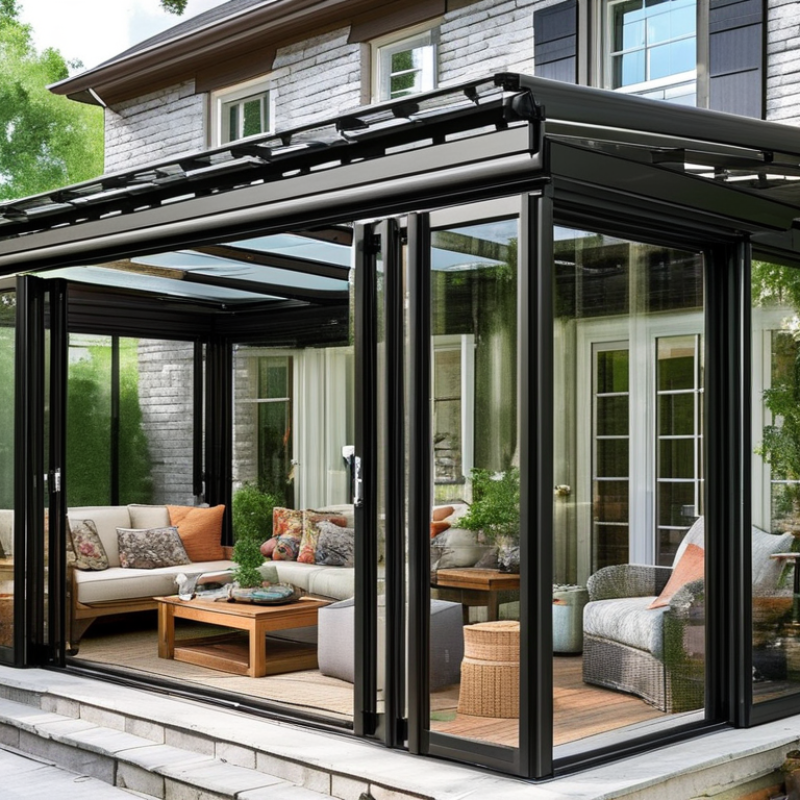
A retractable sunroom offers numerous benefits for homeowners seeking versatility and comfort. With the ability to adjust sunlight and fresh air, these spaces enhance your living environment. Imagine sipping coffee in bright sunlight one moment, then enjoying cool shade the next. Such flexibility is especially valuable during changing seasons.
Tips for selecting the right retractable sunroom include considering the materials used. High-quality frames and weather-resistant fabrics are key to longevity. Check insulation properties to ensure comfort year-round. Think about how the sunroom connects to your existing space. It should complement your home's aesthetics while providing easy access.
Watch for potential downsides, too. Initial costs can be substantial. Maintenance is necessary, but not overly burdensome. Reflect on usage patterns; how often will you really use the space? Taking time to assess these factors will lead to a more satisfying decision. Balancing benefits and challenges is vital in the choice-making process.
When selecting a retractable sunroom, several key features demand attention. The materials used are critical. Aluminum frames are durable yet lightweight. Consider your local climate; heavy-duty options may be necessary for areas with extreme weather. Glass should be tempered for safety and insulation.
Another important aspect is the mechanism for retracting. Electric systems offer convenience but may require repairs. Manual systems can be cost-effective but need regular maintenance. Think about ease of operation. A complicated setup can deter use.
Space and layout matter too. Measure your area accurately. Will the sunroom enhance your outdoor experience? Ensure it complements your home’s design. A sunroom should feel inviting, not cramped. Evaluate your family's lifestyle. More than just a beautiful view, it should meet your needs year-round.
When selecting a retractable sunroom for your home, materials and styles play a crucial role. According to industry reports, over 78% of homeowners prioritize aesthetics in their home improvement projects. The decision involves considering various materials like aluminum, wood, and fiberglass. Each material offers unique advantages and drawbacks. For instance, aluminum is durable but may not blend seamlessly with traditional homes, while wood provides warmth yet requires regular maintenance.
Style options vary widely. Modern sunrooms often feature sleek lines and large glass panels. On the other hand, traditional sunrooms may exhibit ornate designs with wood framing and detailed accents. Homeowners must ensure that the chosen style complements their existing architecture. About 65% of homeowners report that matching styles increases their satisfaction with home renovations. However, mismatched styles might lead to an uneven visual appeal. Many struggle with reconciling contemporary tastes with classic designs. This is a critical point for reflection. Finding the right balance can enhance home value and provide a harmonious living space.
| Material | Style | Pros | Cons | Average Cost |
|---|---|---|---|---|
| Aluminum | Modern | Durable, low maintenance | Can be less insulated | $15,000 - $30,000 |
| Wood | Traditional | Aesthetically pleasing, good insulation | Requires regular maintenance | $20,000 - $40,000 |
| Vinyl | Contemporary | Energy-efficient, low maintenance | Limited color options | $10,000 - $25,000 |
| Fiberglass | Rustic | Strong, good thermal performance | Higher initial cost | $18,000 - $35,000 |
| Polycarbonate | Sleek | Lightweight, impact-resistant | Less aesthetic appeal | $12,000 - $28,000 |
When selecting a retractable sunroom, installation and maintenance are crucial factors to consider. Research indicates that nearly 60% of homeowners prioritize ease of installation. A professional installation typically takes about two to three days. However, DIY options are also available. Ensure that you have the right tools and skills before choosing this path. Missteps in installation can lead to significant issues, including leaks or structural weaknesses.
Regular maintenance is essential for keeping your sunroom in top condition. According to industry reports, up to 30% of sunroom owners experience problems within the first five years due to neglect. Routine cleaning of frames and glass is necessary to prevent buildup of dirt and debris. Professional inspections every couple of years can also catch potential issues early. Furthermore, consider the climate in your area. Extreme weather can increase maintenance needs. For example, heavy rain or snow might necessitate more frequent checks.
If you're not prepared for upkeep, a retractable sunroom might feel overwhelming. Assess your time and willingness to maintain such a space. Some homeowners find that the enjoyment of extra living space often outweighs the effort involved. Others may need to rethink their decision if they struggle with maintenance tasks. Balancing enjoyment and upkeep is key to making the right choice for your home.
When budgeting for a retractable sunroom, several key factors influence the overall cost. According to industry reports, the average cost of a retractable sunroom can range from $15,000 to $50,000. This wide range depends on material choices, size, and design complexity. Homeowners should expect to spend around $100 to $300 per square foot. This fluctuation often reflects the quality of materials used and local labor rates.
Installation costs are also an essential factor. Professional installation may add anywhere from 10% to 20% on top of material costs. Some owners might consider DIY options to save money, but improper installation can lead to costly repairs down the line. It's crucial to weigh potential savings against the risks of poor workmanship. Additionally, ongoing maintenance costs are often overlooked. Regular upkeep may require budgeting for cleaning and repairing moving parts, which can add another few hundred dollars annually.
Consulting with a reputable contractor can help clarify costs further. Their expertise ensures that your budget aligns with your expectations. Gaining multiple quotes can provide better insight into material and labor expenses. Transparency in the budgeting process is vital, as hidden costs may arise, leading to financial strain during the project. Therefore, thoughtful planning is necessary to achieve a successful outcome.
„Thanks to the LUVIR technology, the solder resist process could be switched directly from the previously used mask exposure to direct exposure. As an outstanding digital solution on the market, this technology has been able to demonstrate fast process times and superior quality on our certified conventional ink in production. This allowed us to fully digitize the solder mask process at low cost – without process or ink adjustments. An excellent benefit to our production in Rot am See.“
Ralf Göhringer (Head of Production WE Rot am See)
I would definitely recommend the Limata machine and team for a future company purchase
Michael Greenaway
Compunetics Inc.
“The Limata ldi has been amazing!! Best thing we did was buy this machine”
Richard Brady
GM
Circuitlabs
“Since 2019, we have been running the Limata X1000 LDI system (including LUVIR for solder mask imaging) in daily production as an addition to our current process with film. The machine was capable of properly exposing Taiyo PSR-4000 BN (DI) solder mask types on normal to high-copper boards using a new and unique direct imaging process. The machine operating interface is very user friendly which allowed for a quick technical training curve. The pre-registration processing reduced several seconds of production time at every print. Limata support and service staff is incomparable. They supported our team every step of the way at basically any time of the day or night, with literally, an immediate response time, customizing the software interface to best fit our Operations and needs.
We have exposed more than 8,000 prints since end of October, on various solder mask colors and some resist film panels. Limata, has proven to be very capable and innovative. They are a strong contender in the industry.
We have very much enjoyed this project, and working with the team!
Thank you Limata for the continued support and being a part of our growth.”
Bill Sezate
Vice President, GM
Summit Interconnect
As a replacement to our current contact exposure process with film, the LIMATA X2000 system including LUVIR-Technology was capable of properly exposing non-LDI solder mask types using a direct imaging process. The machine offers cutting edge software with a very intuitive operating interface which allowed for quick technician training curve. The dual drawer system combined with pre-registration processing reduced several seconds of production time at every machine cycle. Limata support and service staff is world class. They added software patches to keep production running at shortest possible response times, customized the software interface to best fit our in-house Operations system, and even wrote a step-by-step machine processing manual. As a result of the project, we have exposed more than 16,000 times on various product types and solder mask brands/colors. Limata, in a very short timeframe as a company, has definitely shown they are truly innovative and will be challenging the industry of direct imaging for the top spot.
Kevin Beattie
Process Engineer
TTM Technologies
Forest Grove Division
