Choosing the right Fabric Testing Instruments is crucial for ensuring quality in textile production. With numerous options available, navigating this landscape can feel overwhelming. Understanding specific testing needs is essential. Quality control, durability, and performance all hinge on precise measurement.
Fabric Testing Instruments come with varying features and capabilities. Selecting the wrong instrument may lead to inaccurate results and wasted resources. For example, a tensile strength tester could provide flawed data, affecting product reliability. This highlights the need for careful consideration.
It's vital to consult industry experts when making a choice. Their insights can guide you toward instruments that meet specific standards. Additionally, exploring user reviews adds another layer of understanding. Balancing price and quality remains challenging. Reflect on how the right choice can enhance product reputation while minimizing risks.
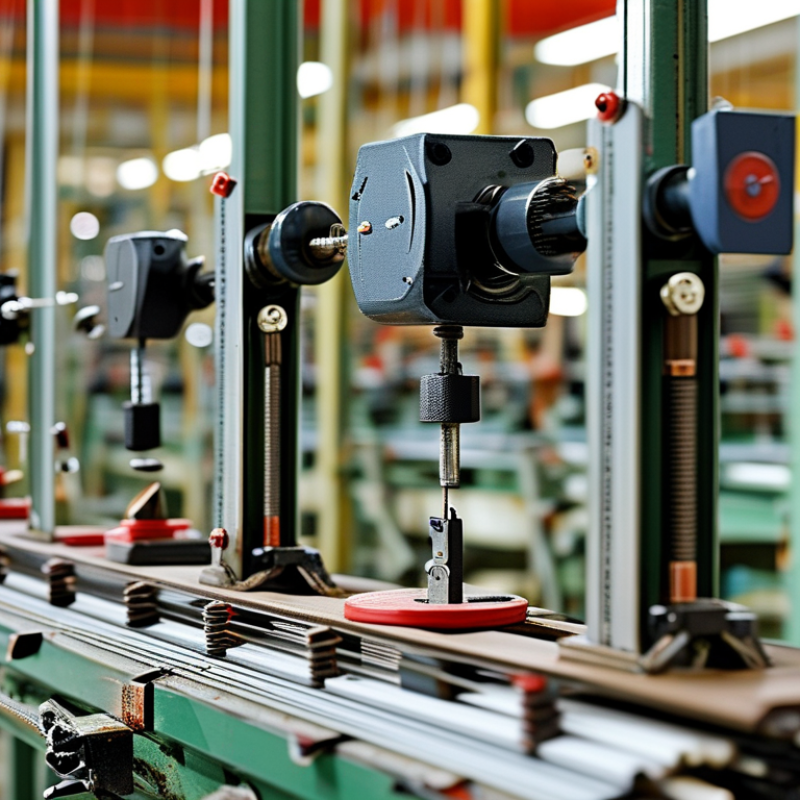
When selecting fabric testing instruments, it's important to understand the various types available. These instruments serve different purposes, from tensile strength to colorfastness. Each type plays a crucial role in ensuring the quality and durability of textiles. For instance, a report by the American Society for Testing and Materials (ASTM) highlights that around 18% of fabric defects arise from inadequate strength testing. This underlines the need for reliable tensile testers in the fabric evaluation process.
Another critical category includes colorfastness testers. These assess how well fabrics retain their colors under various conditions. The International Organization for Standardization (ISO) estimates that 25% of consumer complaints about fabric occur due to fading. Using appropriate colorfastness instruments can help manufacturers address this issue effectively. It's evident that neglecting these testing categories can lead to substantial quality control failures.
Consideration must also be given to the calibration and maintenance of these instruments. A study by the Textile Institute indicated that improperly calibrated equipment could result in a staggering 30% variance in test results. Therefore, ongoing training and adherence to best practices are essential in the testing process. Ignoring these aspects can not only affect product quality but also tarnish a company’s reputation.
| Type of Fabric Testing Instrument | Purpose | Key Features | Common Tests | Recommended Use |
|---|---|---|---|---|
| Tensile Tester | Measures the tensile strength and elongation of fabrics. | Digital readout, customizable test speeds, data logging. | Breaking strength, elongation at break. | Quality control in textile manufacturing. |
| Colorfastness Tester | Evaluates the resistance of fabric color to fading. | Standardized test methods, multiple test conditions. | Washing, light exposure, rubbing. | Textile design and production. |
| Pilling Tester | Assesses the tendency of fabric to form pills. | Automated testing cycles, user-friendly interface. | Pilling resistance rating. | Assessing fabric durability and quality. |
| Water Repellency Tester | Tests the water resistance of fabrics. | Hydrostatic pressure measurement, easy setup. | Water penetration resistance. | Outdoor and functional fabrics testing. |
| Bursting Strength Tester | Measures the strength of a fabric to withstand bursting. | Digital display, adjustable pressures. | Bursting force and pressure. | Quality assurance for upholstery and industrial fabrics. |
Selecting the right fabric testing instruments is crucial for quality assurance. Start by considering the type of fabric you intend to test. Different materials require specific testing methods. For instance, a delicate silk fabric may need softer testing approaches compared to sturdy denim. This specificity can significantly influence the outcomes.
Moreover, accuracy and precision are non-negotiable. Instruments should provide repeatable and reliable results. When looking for equipment, check their calibration standards. Regular maintenance is key. Often, users overlook the importance of routine checks. These checks ensure instruments remain in optimal working condition.
Training personnel on how to use the equipment is equally important. Without proper training, even the best instruments can deliver inaccurate results. Manufacturers often provide guidelines, but real-world experience matters too. Practicing on various fabrics can reveal nuances in testing. Consider these aspects carefully for effective quality assurance.
When selecting fabric testing instruments, understanding industry standards is crucial. Various organizations set guidelines for testing quality. The American Society for Testing and Materials (ASTM) outlines methods for assessing fabric durability, strength, and safety. These standards help ensure consistent results across different tests.
Regulations encompass various factors, including safety and environmental impact. The Global Organic Textile Standard (GOTS) emphasizes organic materials and eco-friendly processes. Adhering to such standards can improve marketability. However, not all manufacturers can meet every requirement. This discrepancy can lead to confusion when choosing testing equipment.
It’s important to stay updated with the latest changes in regulations. Technology evolves, and new testing methods emerge. Not addressing these advancements can lead to outdated practices. Selecting inappropriate instruments can impact test accuracy. Consequently, manufacturers may face surprises during inspections or certifications. Understanding these complexities ensures better choices for fabric testing.
When selecting fabric testing instruments, accuracy and precision stand out as crucial factors. Accurate instruments deliver true measurements, while precise instruments yield consistent results. Imagine a tensile strength tester that provides varying readings with each use. This inconsistency can lead to significant quality issues in the fabric production process.
Tips for ensuring accuracy: Regularly calibrate your instruments. Calibration maintains the integrity of measurements over time. Consider the environmental conditions of the testing site as well. Humidity and temperature can affect results. Always document measurement conditions for future reference.
Precision requires attention to the instrument's design and engineering. Instruments must have reliable components to minimize variation in results. While some tools offer advanced features, their complexity can sometimes lead to user errors. Training operators is essential for optimal use. Knowledgeable staff can operate instruments effectively, ensuring reliable data is gathered.
Conducting routine checks can boost your testing accuracy. Engage in blind tests where conditions are unknowingly altered. This method highlights any inconsistencies in your testing process. A good practice involves comparing results against established standards. Relying on benchmarks can guide improvements and inform decisions.
When selecting fabric testing instruments, a cost-benefit analysis is crucial for manufacturers. Understanding the financial implications can guide investment decisions. Reports indicate that quality testing can reduce costs related to manufacturing defects by up to 25%. This statistic highlights how proper testing can enhance reliability and market competitiveness.
Budget constraints often challenge manufacturers. Dynamic markets demand cost-effectiveness without compromising quality. On average, investing in high-quality testing equipment yields a return on investment of approximately 20% annually. Yet, selecting the right instruments is not straightforward. Manufacturers must assess their unique needs and production scale.
Furthermore, ongoing maintenance and calibration costs cannot be overlooked. Industry data suggests that neglecting regular maintenance can increase defect rates, impacting both reputation and revenue. Manufacturers should weigh these factors carefully. Relying solely on initial purchase prices leads to miscalculations. The goal should always be a balanced approach that ensures both quality and profitability.
„Thanks to the LUVIR technology, the solder resist process could be switched directly from the previously used mask exposure to direct exposure. As an outstanding digital solution on the market, this technology has been able to demonstrate fast process times and superior quality on our certified conventional ink in production. This allowed us to fully digitize the solder mask process at low cost – without process or ink adjustments. An excellent benefit to our production in Rot am See.“
Ralf Göhringer (Head of Production WE Rot am See)
I would definitely recommend the Limata machine and team for a future company purchase
Michael Greenaway
Compunetics Inc.
“The Limata ldi has been amazing!! Best thing we did was buy this machine”
Richard Brady
GM
Circuitlabs
“Since 2019, we have been running the Limata X1000 LDI system (including LUVIR for solder mask imaging) in daily production as an addition to our current process with film. The machine was capable of properly exposing Taiyo PSR-4000 BN (DI) solder mask types on normal to high-copper boards using a new and unique direct imaging process. The machine operating interface is very user friendly which allowed for a quick technical training curve. The pre-registration processing reduced several seconds of production time at every print. Limata support and service staff is incomparable. They supported our team every step of the way at basically any time of the day or night, with literally, an immediate response time, customizing the software interface to best fit our Operations and needs.
We have exposed more than 8,000 prints since end of October, on various solder mask colors and some resist film panels. Limata, has proven to be very capable and innovative. They are a strong contender in the industry.
We have very much enjoyed this project, and working with the team!
Thank you Limata for the continued support and being a part of our growth.”
Bill Sezate
Vice President, GM
Summit Interconnect
As a replacement to our current contact exposure process with film, the LIMATA X2000 system including LUVIR-Technology was capable of properly exposing non-LDI solder mask types using a direct imaging process. The machine offers cutting edge software with a very intuitive operating interface which allowed for quick technician training curve. The dual drawer system combined with pre-registration processing reduced several seconds of production time at every machine cycle. Limata support and service staff is world class. They added software patches to keep production running at shortest possible response times, customized the software interface to best fit our in-house Operations system, and even wrote a step-by-step machine processing manual. As a result of the project, we have exposed more than 16,000 times on various product types and solder mask brands/colors. Limata, in a very short timeframe as a company, has definitely shown they are truly innovative and will be challenging the industry of direct imaging for the top spot.
Kevin Beattie
Process Engineer
TTM Technologies
Forest Grove Division
