Choosing the right Industrial Gas Equipment is vital for any operation. It directly impacts efficiency and safety. According to a recent report by the Global Industrial Gas Equipment Market Research, the sector is expected to grow significantly, forecasting an increase of 8% annually. This growth underscores the importance of selecting quality equipment suited to specific needs.
Expert in the field, Dr. Emily R. Baker, noted, "Effective industrial gas solutions can significantly enhance operational productivity." Her insights highlight the critical nature of making informed choices. Different applications require varied types of equipment, from pressure regulators to gas pipelines.
Despite the abundance of options, navigating through the specifics can be challenging. Many buyers don't fully understand their requirements. Ultimately, the decision process often lacks thorough research. Potential buyers should objectively assess their needs and available options to ensure optimal choices.
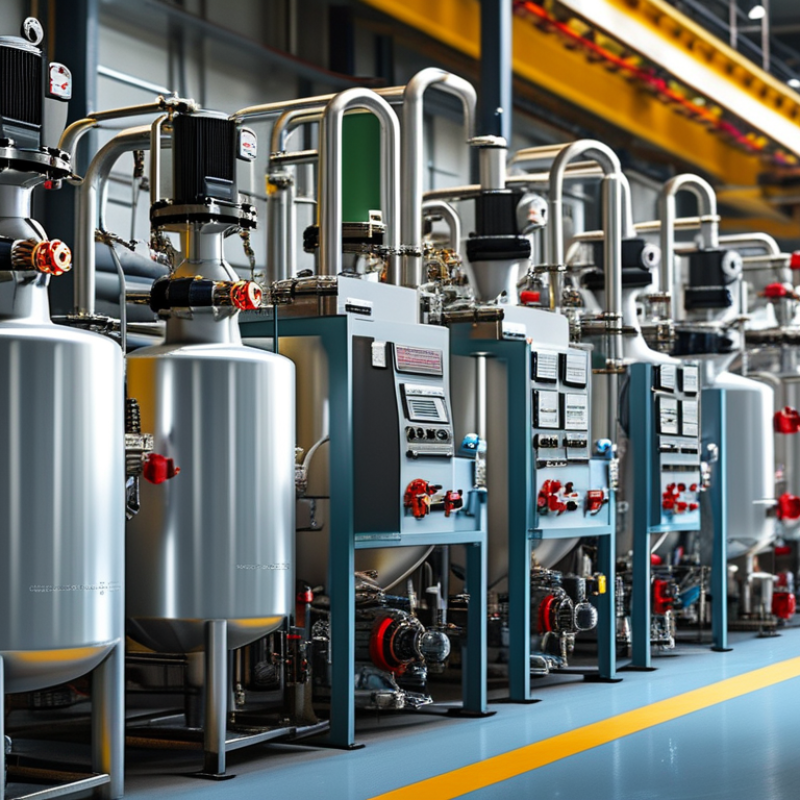
Choosing the right industrial gas equipment requires a clear understanding of your specific needs. Assessing your applications is vital. Different processes demand different gas supplies and equipment types. For instance, welding, cutting, or heating all have unique requirements. Start by identifying what gases you will be using.
Tips: Define your operating conditions. Consider factors like temperature, pressure, and volume. This will narrow down your options. It’s essential to work with reliable suppliers. They can provide both expertise and support. Take the time to discuss your applications thoroughly.
Think about safety measures as well. Equipment must comply with safety standards appropriate for your industry. Regular inspections and maintenance are key to reliability. Don’t hesitate to seek advice. Even small details can impact performance and efficiency. Engage with professionals who understand the intricacies of industrial gas applications. Their insights can save you from costly mistakes.
When selecting industrial gas equipment, understanding the various types available is crucial. The most common categories include gas storage tanks, pressure regulators, and gas control systems. Each type serves a unique purpose and has specific requirements. For instance, gas storage tanks are essential for safe and efficient storage. Industry reports indicate that over 60% of gas-related incidents stem from improper tank management.
Pressure regulators are vital for maintaining consistent gas flow and pressure. They are used in diverse applications, from medical to manufacturing sectors. Reports from the National Fire Protection Association highlight that failures in pressure regulation can lead to severe safety hazards. This underscores the need for selecting equipment designed for your specific operational context.
Gas control systems integrate with other equipment to monitor and adjust gas flow automatically. Their advanced features can improve efficiency and reduce waste. However, it's important to evaluate any potential compatibility issues with existing systems. Ensuring reliable equipment can lead to significant cost savings. Remember, the choice of equipment also affects operational safety and compliance with legal standards.
Choosing industrial gas equipment requires thorough consideration of key features. The first vital aspect is safety standards. According to industry reports, nearly 25% of incidents in gas handling are due to inadequate safety measures. Equipment needs to comply with local regulations and safety certifications. Look for models that have undergone rigorous testing and hold industry certifications.
Efficiency is also essential. Energy efficiency can impact operational costs significantly. Research indicates that upgrading to modern equipment can reduce energy costs by up to 30%. Equipment with built-in monitoring systems can provide real-time data on performance. This data enables better decision-making and potential cost savings.
Another feature to evaluate is maintenance requirements. Some equipment demands more frequent maintenance, leading to downtime. Downtime can result in lost revenue. Reliable equipment should have clear maintenance guidelines, contributing to a smoother operation. Equipment that is easier to maintain often leads to better overall performance and sustainability.
When evaluating suppliers and manufacturers of industrial gas equipment, quality assurance is crucial. Over 70% of industrial operations report equipment failure due to poor quality. This can lead to safety hazards and costly downtimes. To avoid these issues, seek suppliers that focus on quality management systems like ISO 9001.
Look for suppliers with industry certifications. A company’s compliance with relevant standards is a good indicator. Some reports show that certified manufacturers have a 40% lower defect rate than non-certified ones. Check if they conduct regular audits. Transparency in their processes is essential. Also, ask for client testimonials or case studies.
Consider their track record and experience. New companies might lack necessary insights. Long-established suppliers often have established relationships with regulatory bodies. This can simplify approval processes for equipment. Don't forget to assess their after-sales support. Quality assurance does not end with the sale. A responsive support team can make a significant difference in addressing potential issues.
When budgeting for industrial gas equipment, consider the total cost of ownership. This goes beyond initial purchase prices. According to a report from the Gas Equipment Manufacturers Association, energy efficiency plays a critical role in long-term expenses. An energy-efficient system may have a higher upfront cost, but will reduce operational costs significantly.
Maintenance is another crucial factor. Regular servicing can prevent major breakdowns. A study by the Industrial Gas Association revealed that unplanned downtime could cost companies up to $50,000 per hour. Budgeting for maintenance services can mitigate this risk. Unexpected repairs can strain your finances, disrupting funding for other projects.
Consider financing options too. Many manufacturers offer flexible payment plans. This can ease the burden of upfront costs. However, it’s essential to read the fine print. Interest rates can alter the overall cost, potentially leading to overspending. Always evaluate the total long-term impact on your budget.
| Equipment Type | Estimated Cost (USD) | Maintenance Frequency | Lifespan (Years) | Energy Consumption (kWh/year) |
|---|---|---|---|---|
| Industrial Gas Cylinder | $150 | Annual | 20 | N/A |
| Gas Regulator | $200 | Biannual | 15 | 50 |
| Bulk Gas Storage Tank | $10,000 | Annual | 30 | 300 |
| Gas Delivery System | $5,000 | Quarterly | 20 | 200 |
| Portable Gas Detector | $500 | Annual | 5 | 30 |
„Thanks to the LUVIR technology, the solder resist process could be switched directly from the previously used mask exposure to direct exposure. As an outstanding digital solution on the market, this technology has been able to demonstrate fast process times and superior quality on our certified conventional ink in production. This allowed us to fully digitize the solder mask process at low cost – without process or ink adjustments. An excellent benefit to our production in Rot am See.“
Ralf Göhringer (Head of Production WE Rot am See)
I would definitely recommend the Limata machine and team for a future company purchase
Michael Greenaway
Compunetics Inc.
“The Limata ldi has been amazing!! Best thing we did was buy this machine”
Richard Brady
GM
Circuitlabs
“Since 2019, we have been running the Limata X1000 LDI system (including LUVIR for solder mask imaging) in daily production as an addition to our current process with film. The machine was capable of properly exposing Taiyo PSR-4000 BN (DI) solder mask types on normal to high-copper boards using a new and unique direct imaging process. The machine operating interface is very user friendly which allowed for a quick technical training curve. The pre-registration processing reduced several seconds of production time at every print. Limata support and service staff is incomparable. They supported our team every step of the way at basically any time of the day or night, with literally, an immediate response time, customizing the software interface to best fit our Operations and needs.
We have exposed more than 8,000 prints since end of October, on various solder mask colors and some resist film panels. Limata, has proven to be very capable and innovative. They are a strong contender in the industry.
We have very much enjoyed this project, and working with the team!
Thank you Limata for the continued support and being a part of our growth.”
Bill Sezate
Vice President, GM
Summit Interconnect
As a replacement to our current contact exposure process with film, the LIMATA X2000 system including LUVIR-Technology was capable of properly exposing non-LDI solder mask types using a direct imaging process. The machine offers cutting edge software with a very intuitive operating interface which allowed for quick technician training curve. The dual drawer system combined with pre-registration processing reduced several seconds of production time at every machine cycle. Limata support and service staff is world class. They added software patches to keep production running at shortest possible response times, customized the software interface to best fit our in-house Operations system, and even wrote a step-by-step machine processing manual. As a result of the project, we have exposed more than 16,000 times on various product types and solder mask brands/colors. Limata, in a very short timeframe as a company, has definitely shown they are truly innovative and will be challenging the industry of direct imaging for the top spot.
Kevin Beattie
Process Engineer
TTM Technologies
Forest Grove Division
