Choosing the right Insulation Powder Coating is crucial for ensuring durability and efficiency. The quality of insulation powder coating can greatly affect the performance of your products. Various options exist, making the selection process overwhelming.
When selecting insulation powder coating, consider your specific needs. Different environments require different levels of protection. High-temperature resistance might be essential for industrial applications. Alternatively, a decorative finish may be necessary for consumer products. The right choice can enhance product lifespan and functionality.
Take time to research available options. Consult industry professionals to gain insights. Online reviews can also serve as a guide. However, remember that not all information you find may be accurate. Some manufacturers may exaggerate claims. Ensure you verify the reliability and credentials of your sources before making a decision.
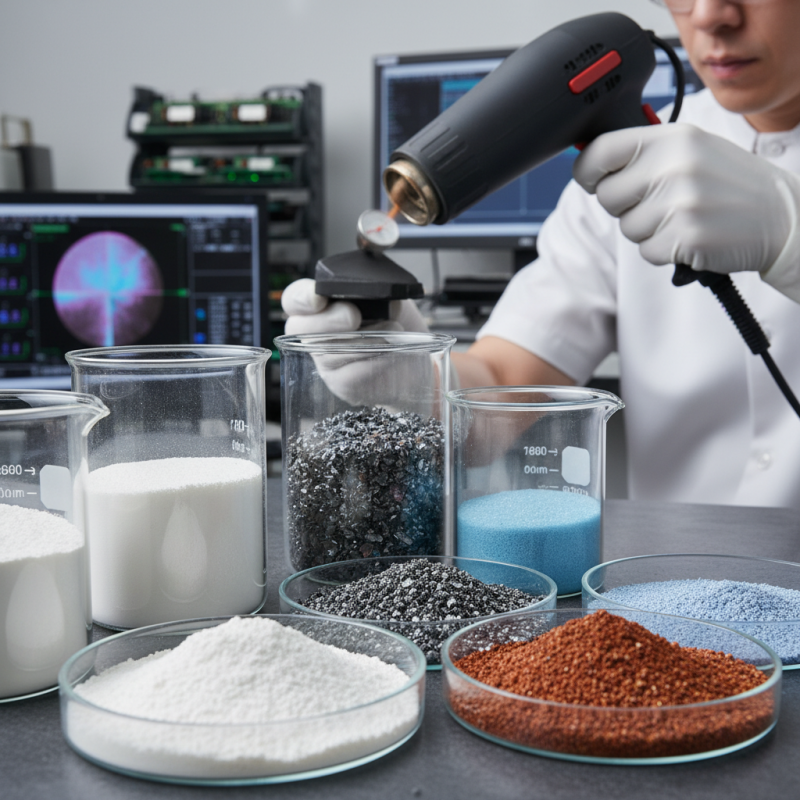
Insulation powder coating is a specialized process that enhances thermal resistance. It involves applying a powdered substance to metal surfaces. This coating cures to form a strong, insulated layer that protects against temperature fluctuations. It is commonly used in pipes, electrical components, and equipment subjected to extreme heat or cold.
The applications of insulation powder coating extend beyond basic insulation. It is essential for improving energy efficiency in various industries. For example, in HVAC systems, it minimizes heat loss and enhances performance. In the automotive industry, it protects sensitive parts from heat damage. However, selecting the right powder coating requires careful consideration of factors like thermal conductivity, durability, and environmental impact.
Moreover, the choice of insulation powder can be daunting. One might overlook certain specifications, leading to ineffective insulation. Each project has unique requirements, which should be thoroughly evaluated. It's crucial to test different formulations to find the optimal fit. Even small errors in selection can lead to costly repairs down the line. Therefore, a thoughtful approach to understanding insulation powder coatings is essential for long-term satisfaction.
Choosing the right insulation powder coating involves several critical factors. First, consider the thermal performance. Different coatings provide varying levels of insulation against heat transfer. Some materials withstand higher temperatures than others. It's essential to assess the specific temperature range relevant to your application.
Next, evaluate the coating's corrosion resistance. Environments can be harsh, especially in industrial settings. A coating that withstands chemical exposure and moisture will have a longer lifespan. Look for data or case studies confirming durability in real-world conditions.
Don't overlook the application method. Some coatings require specialized equipment or techniques. Assess whether you have access to the necessary tools or if outsourcing is an option. Also, think about the thickness of the coating. Thicker layers may offer better insulation but can also impact the overall weight and flexibility of the material. Balance these aspects carefully for the best results.
When selecting an insulation powder coating, understanding the types available is essential. There are several kinds. The most common types include epoxy, polyester, and polyurethane. Each type has unique characteristics. Epoxy coatings are known for their excellent adhesion and chemical resistance. Polyester coatings offer good UV resistance and color retention. Polyurethane is often chosen for its high durability and flexibility.
Tips: Assess your specific needs before making a choice. Consider the environment where the coating will be applied. High-temperature situations might require different coatings. Always check compatibility with the materials being coated.
Another type to consider is thermoplastic coatings. They allow for easy application and can be reprocessed. Additionally, flame retardant coatings are available for applications where fire safety is a concern. This can be particularly relevant in industries such as construction and manufacturing. Evaluate the risks associated with your project.
Tips: It's beneficial to consult with industry experts. They can provide insights based on extensive experience. Examine project requirements thoroughly and choose coatings accordingly. Quality matters, and good decisions here will lead to long-term performance. A less ideal coating could lead to unforeseen issues, so choose wisely.
When selecting insulation powder coatings, performance metrics are crucial. Key metrics include thermal resistance, durability, and environmental impact. Recent studies suggest that coatings with a thermal resistance rating above R-7 offer optimal energy efficiency. Additionally, coatings should withstand temperature fluctuations and resist corrosion.
Tip: Always check for a material's thermal conductivity value. Aim for materials with low thermal conductivity to ensure better insulation performance.
Another important factor is the environmental impact of the insulation. Many coatings now feature eco-friendly formulations, which reduce VOC emissions. According to industry reports, products labeled as low-VOC can enhance indoor air quality without compromising insulation effectiveness.
Tip: Consult technical data sheets for detailed environmental performance metrics. Look for certifications that confirm the product's compliance with industry standards.
Assessing these performance metrics carefully can lead to informed decisions, ensuring that the chosen coating meets specific insulation needs. However, sometimes manufacturers lack transparency in data reporting. It is essential to verify claims through independent testing whenever possible. This diligence can encourage better choices and more sustainable practices in your insulation projects.
When considering insulation solutions, it's crucial to evaluate cost-effectiveness and return on investment. Many options are available, yet not all provide the same value. A higher upfront cost may yield long-term savings. This is especially true when energy bills are factored into the equation. Good insulation minimizes heat loss in winter and heat gain in summer, leading to a more stable indoor temperature.
Keep in mind that not all insulation powders are created equal. Different materials and thicknesses impact performance. Investing in quality may seem expensive initially, but the energy savings can be significant over time. Some insulation materials even help reduce noise, adding more value. A thorough evaluation of your specific needs can help you make informed decisions.
Reflect on your goals. Are you looking for immediate savings, or is long-term efficiency your priority? Sometimes, what seems cost-effective initially may fall short in performance. By examining the efficiency ratings and specific applications of insulation options, you can better align your choices with your budget and needs. Don't hesitate to consult experts for tailored advice. Their insights can prove invaluable in navigating this complex market.
„Thanks to the LUVIR technology, the solder resist process could be switched directly from the previously used mask exposure to direct exposure. As an outstanding digital solution on the market, this technology has been able to demonstrate fast process times and superior quality on our certified conventional ink in production. This allowed us to fully digitize the solder mask process at low cost – without process or ink adjustments. An excellent benefit to our production in Rot am See.“
Ralf Göhringer (Head of Production WE Rot am See)
I would definitely recommend the Limata machine and team for a future company purchase
Michael Greenaway
Compunetics Inc.
“The Limata ldi has been amazing!! Best thing we did was buy this machine”
Richard Brady
GM
Circuitlabs
“Since 2019, we have been running the Limata X1000 LDI system (including LUVIR for solder mask imaging) in daily production as an addition to our current process with film. The machine was capable of properly exposing Taiyo PSR-4000 BN (DI) solder mask types on normal to high-copper boards using a new and unique direct imaging process. The machine operating interface is very user friendly which allowed for a quick technical training curve. The pre-registration processing reduced several seconds of production time at every print. Limata support and service staff is incomparable. They supported our team every step of the way at basically any time of the day or night, with literally, an immediate response time, customizing the software interface to best fit our Operations and needs.
We have exposed more than 8,000 prints since end of October, on various solder mask colors and some resist film panels. Limata, has proven to be very capable and innovative. They are a strong contender in the industry.
We have very much enjoyed this project, and working with the team!
Thank you Limata for the continued support and being a part of our growth.”
Bill Sezate
Vice President, GM
Summit Interconnect
As a replacement to our current contact exposure process with film, the LIMATA X2000 system including LUVIR-Technology was capable of properly exposing non-LDI solder mask types using a direct imaging process. The machine offers cutting edge software with a very intuitive operating interface which allowed for quick technician training curve. The dual drawer system combined with pre-registration processing reduced several seconds of production time at every machine cycle. Limata support and service staff is world class. They added software patches to keep production running at shortest possible response times, customized the software interface to best fit our in-house Operations system, and even wrote a step-by-step machine processing manual. As a result of the project, we have exposed more than 16,000 times on various product types and solder mask brands/colors. Limata, in a very short timeframe as a company, has definitely shown they are truly innovative and will be challenging the industry of direct imaging for the top spot.
Kevin Beattie
Process Engineer
TTM Technologies
Forest Grove Division
