In today's competitive market, the right display can elevate your business. The Led Glass Display stands out due to its sleek design and vibrant visuals. Choosing the perfect model involves understanding your unique requirements. Evaluate its clarity, brightness, and size before making a decision.
Not every Led Glass Display suits every business. Some models might not perform well in bright environments. Assess your location and indoor lighting. Gather feedback from peers in your industry. Their insights can lead you to more informed choices.
Investing in a quality Led Glass Display shows commitment to your brand. It enhances customer engagement and boosts sales. However, failing to choose wisely could lead to dissatisfaction. Reflect on your choices and seek expert advice when needed. A well-informed decision leads to better results in the long run.
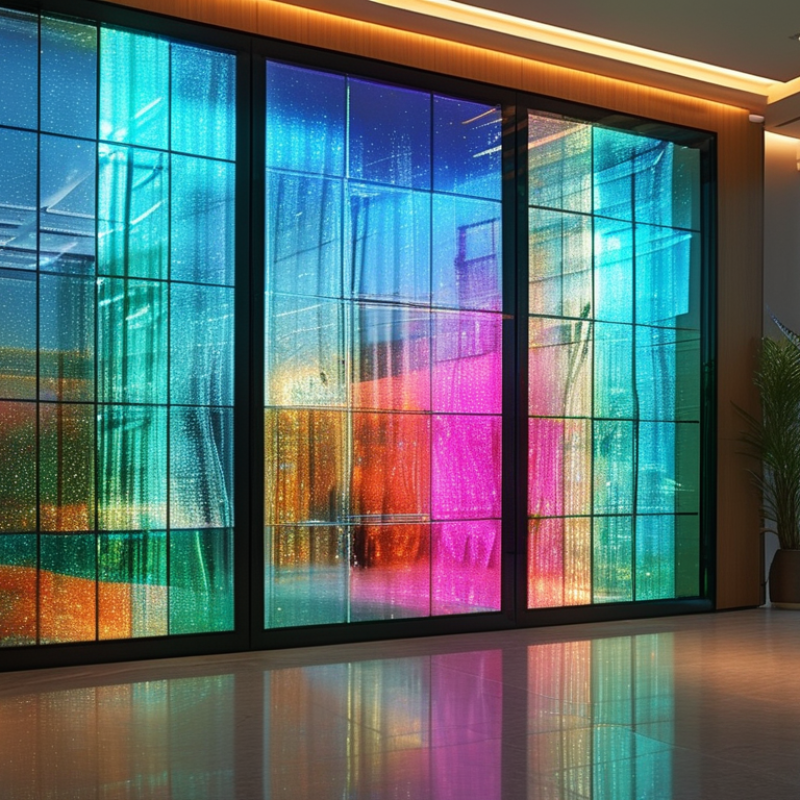
When considering LED glass displays, it’s important to understand the various types available. Transparent LED displays are popular for storefront windows. They allow customers to see products while showcasing dynamic ads. This type maximizes visual appeal without obstructing views, making it a reliable option for businesses.
Next, you have video wall displays, which are highly versatile. They can be used for immersive presentations or advertising. These displays often come in modular designs, enabling businesses to scale as needed. However, their installation can be complex. It requires careful planning and expertise to ensure proper alignment and functionality.
Curved LED displays present a unique choice, especially for creative projects. These can attract attention from various angles. Their use can enhance brand storytelling. But they may not suit every location, requiring thoughtful consideration. Always reflect on the specific needs of your space. Selecting the right type of display should align with your overall branding strategy.
When selecting an LED glass display, key features and specifications are crucial. Brightness is a primary factor. For indoor displays, a range of 800 to 1,200 nits is suitable. Outdoor displays, however, need at least 3,000 nits for visibility in direct sunlight. Companies should consider their environment. A higher brightness may be necessary for brighter settings.
Resolution significantly impacts clarity. Typical pixel pitches for LED displays range from 1.2mm to 4mm. A smaller pitch offers better resolution and detail. However, the cost increases with smaller pitches, which may not fit every budget. It's wise to combine pixel pitch and clarity requirements with financial constraints.
Viewing angles and durability are other essential aspects. A wide viewing angle, ideally 160 degrees or more, ensures visibility from various positions. Regarding durability, the IP rating indicates resistance to dust and moisture. An IP65 rating is recommended for outdoor installations. While these specifications offer excellent guidance, always consider potential shifts in technology. Regularly evaluating advancements and market reports keeps businesses informed on emerging trends.
When considering an LED glass display for your business, assessing your specific needs is vital. Different industries require unique display features. For example, retail stores may prioritize vibrant visuals and interactivity, while corporate offices might need sleek, professional designs. Understanding your target audience can greatly influence your decision. According to a report from MarketsandMarkets, the global LED display market is projected to reach $30 billion by 2025. This growth indicates a rising demand for versatile display options.
Take time to evaluate the space where the display will be installed. Size and brightness matter. A larger display may overwhelm smaller spaces, while insufficient brightness can lead to poor visibility. Consider what type of content you’ll display as well. Dynamic content may call for higher resolution displays. Industry experts recommend testing displays in various lighting conditions to assess their performance.
Incorporating user feedback is crucial. Involve team members or potential customers in the decision-making process. Their insights can reveal preferences that statistics alone may overlook. Acknowledging the limitations of your chosen display system is also important. No single solution fits all needs. Regularly evaluate the effectiveness of your display, adapting as needed to maximize impact.
When choosing an LED glass display, budget plays a crucial role. The initial cost of purchasing such displays can vary significantly. You can find models priced from a few hundred to several thousand dollars. Companies must assess their own budget constraints carefully. Consider not just the purchase price, but also installation costs, which can add up.
Maintenance is another essential aspect of your budget. LED displays require periodic maintenance to keep them functioning optimally. This involves routine check-ups, cleaning, and potential repairs. It's wise to allocate funds for these ongoing costs in your budget. You might also want to factor in energy consumption. More efficient models can save money in the long run, despite higher upfront costs.
Be prepared to evaluate all features based on your financial plan. Sometimes, cheaper models may compromise on quality or features. Reflect on what your business truly needs versus what you can afford. Investing in a high-quality LED glass display may prove more beneficial, considering its lifespan and performance. As you analyze your options, think about striking a balance between cost and quality. This requires careful consideration and often, some trial and error.
When installing LED glass displays, proper planning is crucial. Start by assessing the location for visibility and foot traffic. Consider the height and angle at which the display will be viewed. An ideal spot maximizes exposure, while ensuring safety and accessibility for maintenance. A well-placed display can significantly boost customer engagement.
Maintenance is equally important. Regularly inspect connections and clean the glass surface to maintain image clarity. Dust and grime can accumulate quickly, especially in high-traffic areas. Use appropriate cleaning solutions to avoid damaging the display. Establish a routine maintenance schedule to identify issues before they escalate.
It's vital to remember that installations may not always go perfectly. Misjudgments in location or positioning can lead to decreased effectiveness. Be open to adjusting the setup based on initial results. Gathering feedback from staff and customers helps refine the placement and usage of the display. Embracing a flexible approach ensures that the LED glass display remains an asset to your business.
„Thanks to the LUVIR technology, the solder resist process could be switched directly from the previously used mask exposure to direct exposure. As an outstanding digital solution on the market, this technology has been able to demonstrate fast process times and superior quality on our certified conventional ink in production. This allowed us to fully digitize the solder mask process at low cost – without process or ink adjustments. An excellent benefit to our production in Rot am See.“
Ralf Göhringer (Head of Production WE Rot am See)
I would definitely recommend the Limata machine and team for a future company purchase
Michael Greenaway
Compunetics Inc.
“The Limata ldi has been amazing!! Best thing we did was buy this machine”
Richard Brady
GM
Circuitlabs
“Since 2019, we have been running the Limata X1000 LDI system (including LUVIR for solder mask imaging) in daily production as an addition to our current process with film. The machine was capable of properly exposing Taiyo PSR-4000 BN (DI) solder mask types on normal to high-copper boards using a new and unique direct imaging process. The machine operating interface is very user friendly which allowed for a quick technical training curve. The pre-registration processing reduced several seconds of production time at every print. Limata support and service staff is incomparable. They supported our team every step of the way at basically any time of the day or night, with literally, an immediate response time, customizing the software interface to best fit our Operations and needs.
We have exposed more than 8,000 prints since end of October, on various solder mask colors and some resist film panels. Limata, has proven to be very capable and innovative. They are a strong contender in the industry.
We have very much enjoyed this project, and working with the team!
Thank you Limata for the continued support and being a part of our growth.”
Bill Sezate
Vice President, GM
Summit Interconnect
As a replacement to our current contact exposure process with film, the LIMATA X2000 system including LUVIR-Technology was capable of properly exposing non-LDI solder mask types using a direct imaging process. The machine offers cutting edge software with a very intuitive operating interface which allowed for quick technician training curve. The dual drawer system combined with pre-registration processing reduced several seconds of production time at every machine cycle. Limata support and service staff is world class. They added software patches to keep production running at shortest possible response times, customized the software interface to best fit our in-house Operations system, and even wrote a step-by-step machine processing manual. As a result of the project, we have exposed more than 16,000 times on various product types and solder mask brands/colors. Limata, in a very short timeframe as a company, has definitely shown they are truly innovative and will be challenging the industry of direct imaging for the top spot.
Kevin Beattie
Process Engineer
TTM Technologies
Forest Grove Division
