Choosing the best Water Treatment Plant Equipment is crucial for effective water management. The right equipment ensures clean and safe water for communities and industries. Various types of equipment exist, impacting efficiency and maintenance needs.
When evaluating options, consider factors like capacity, technology, and reliability. Quality equipment can enhance performance. However, choosing the wrong equipment can lead to costly mistakes. It's essential to leverage expert advice and industry standards in this decision-making process.
Be mindful of the initial costs versus long-term savings. Additionally, think about the environmental impact of your choices. Not all equipment will suit every facility. Some may underperform or fail under specific conditions. Therefore, careful analysis is essential to avoid potential pitfalls.
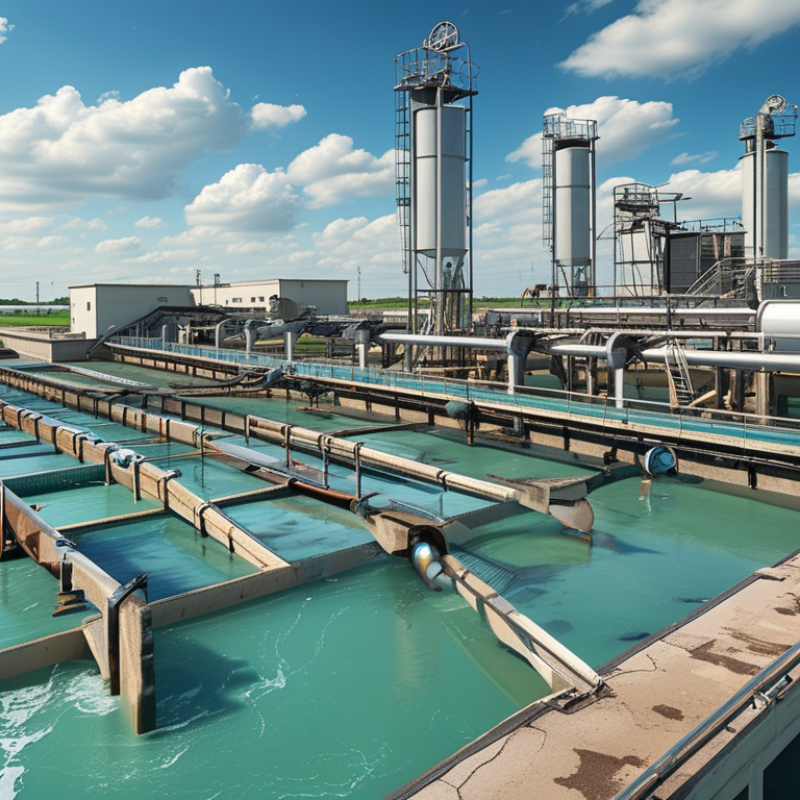
Choosing the right water treatment plant equipment can be challenging. Understanding the different types of equipment is crucial for effective selection. There are several key categories of water treatment equipment, including filtration systems, disinfection units, and chemical dosing systems. Each type plays a unique role in ensuring water quality.
Filtration systems, such as sand and membrane filters, remove particulates and impurities from water. According to a report by the Amercian Water Works Association, over 50% of water treatment plants utilize advanced filtration technologies. Disinfection units, like UV systems and chlorination, are essential for eliminating pathogens. Data shows that UV disinfection can reduce bacterial counts by 99.9%, making it a popular choice.
Chemical dosing systems are used to adjust pH levels and add coagulants. Poorly maintained dosing systems can lead to chemical imbalances. Studies indicate that improper dosing can cause harmful side effects. This highlights the importance of regular monitoring and maintenance. Understanding these types helps in making informed decisions, aligning technology with specific treatment goals. Efficiency and safety should be your top priorities when evaluating equipment options.
When selecting water treatment plant equipment, capacity and efficiency are critical factors. Understand the daily water demand of your facility. This includes peak flow rates and fluctuations. Evaluating these requirements helps in matching equipment size to operational needs. Smaller plants may benefit from modular systems that can be expanded over time.
Consider energy usage as well. Efficient equipment lowers operational costs. Look for models that balance performance with energy consumption. It's wise to analyze life cycle costs over time. Taking into account maintenance needs is essential too. Some equipment may require frequent repairs, impacting efficiency and costs.
Capacity planning requires ongoing assessment. It’s vital to review equipment performance periodically. This can reveal whether adjustments are necessary. Collaborating with experts can provide insights into current trends and technologies. This ensures that your chosen solution remains effective as demands evolve. Be cautious; even the best equipment needs regular evaluations to ensure reliability.
When evaluating water quality, it's crucial to assess both chemical and microbial contaminants. Testing water samples helps identify pollutants. Determine levels of heavy metals, bacteria, or organic compounds. Understanding specific contaminants leads to better treatment decisions. This step is essential for selecting appropriate equipment.
Different water sources present unique challenges. Groundwater often contains minerals, while surface water may have higher biological contamination. Each scenario requires tailored solutions. For instance, reverse osmosis might suit certain needs, but not others. Consulting with water quality experts enhances decision-making. Their insights can reveal unnoticed issues, guiding you toward effective treatment options and matching equipment.
It's important to reflect on the reliability of water data. Inconsistent testing can lead to misguided choices. Monitor your results regularly to ensure accurate understanding. This ongoing evaluation process allows for adjustments in equipment and treatment methods. Being proactive in addressing water quality offers a sustainable path toward effective water management.
Budget considerations play a crucial role in selecting water treatment plant equipment. Evaluating costs requires careful analysis of both initial and long-term expenses. The initial purchase price can often be attractive, but ongoing maintenance and operational costs demand attention. You need to forecast these costs to establish a realistic budget.
When examining costs, think about the expected lifespan of the equipment. Cheaper options may incur higher repairs or require more frequent replacements. Calculate total cost of ownership, including energy consumption, to truly understand financial implications. It's wise to consult with experts who have experience in this field. Their insights can provide a clearer picture of essential features versus unnecessary extras.
Lastly, consider hidden costs such as installation and training. These expenses can add up significantly. While specializing in quality equipment is important, balancing these costs is equally vital. Reflect on your facility's needs and capabilities. Strive for a solution that fits your budget while ensuring reliability and efficiency.
When selecting water treatment plant equipment, maintenance and longevity are crucial factors. Regular maintenance schedules must be established to ensure optimal performance. Equipment that is easier to service will reduce downtime. Durability is fundamental; materials should resist corrosion and wear.
Consider the operating environment. Extreme temperatures or high humidity can impact equipment longevity. Investing in robust equipment may appear costly upfront, but it saves money over time. Take into account the efficiency of components. Energy-efficient machinery often has reduced wear and tear.
It's wise to consult with industry professionals for advice. They may highlight considerations you hadn't thought of. Equipment specifications must align with your unique water treatment needs. Reflect on past equipment failures to avoid repeating mistakes. Prioritize brands with proven reliability and strong customer support, ensuring long-lasting operations.
„Thanks to the LUVIR technology, the solder resist process could be switched directly from the previously used mask exposure to direct exposure. As an outstanding digital solution on the market, this technology has been able to demonstrate fast process times and superior quality on our certified conventional ink in production. This allowed us to fully digitize the solder mask process at low cost – without process or ink adjustments. An excellent benefit to our production in Rot am See.“
Ralf Göhringer (Head of Production WE Rot am See)
I would definitely recommend the Limata machine and team for a future company purchase
Michael Greenaway
Compunetics Inc.
“The Limata ldi has been amazing!! Best thing we did was buy this machine”
Richard Brady
GM
Circuitlabs
“Since 2019, we have been running the Limata X1000 LDI system (including LUVIR for solder mask imaging) in daily production as an addition to our current process with film. The machine was capable of properly exposing Taiyo PSR-4000 BN (DI) solder mask types on normal to high-copper boards using a new and unique direct imaging process. The machine operating interface is very user friendly which allowed for a quick technical training curve. The pre-registration processing reduced several seconds of production time at every print. Limata support and service staff is incomparable. They supported our team every step of the way at basically any time of the day or night, with literally, an immediate response time, customizing the software interface to best fit our Operations and needs.
We have exposed more than 8,000 prints since end of October, on various solder mask colors and some resist film panels. Limata, has proven to be very capable and innovative. They are a strong contender in the industry.
We have very much enjoyed this project, and working with the team!
Thank you Limata for the continued support and being a part of our growth.”
Bill Sezate
Vice President, GM
Summit Interconnect
As a replacement to our current contact exposure process with film, the LIMATA X2000 system including LUVIR-Technology was capable of properly exposing non-LDI solder mask types using a direct imaging process. The machine offers cutting edge software with a very intuitive operating interface which allowed for quick technician training curve. The dual drawer system combined with pre-registration processing reduced several seconds of production time at every machine cycle. Limata support and service staff is world class. They added software patches to keep production running at shortest possible response times, customized the software interface to best fit our in-house Operations system, and even wrote a step-by-step machine processing manual. As a result of the project, we have exposed more than 16,000 times on various product types and solder mask brands/colors. Limata, in a very short timeframe as a company, has definitely shown they are truly innovative and will be challenging the industry of direct imaging for the top spot.
Kevin Beattie
Process Engineer
TTM Technologies
Forest Grove Division
