Choosing Industrial Gas Compressors is not simply a matter of comparing flow rates and purchase prices. The correct decision begins with the gas itself. Composition, molecular weight, moisture, temperature, toxicity, and contamination risks can change the entire equipment specification. Suction pressure, discharge pressure, required capacity, and operating hours matter equally. A compressor that performs well on a test sheet may struggle beside a dusty process line or under unstable inlet conditions.
Paul C. Hanlon, author of Compressor Handbook, offers a practical principle: “Compressor selection must follow the gas service and operating conditions, not catalogue capacity alone.” This advice remains valuable for plant managers, process engineers, and procurement teams. Reciprocating compressors may suit high-pressure, lower-flow duties. Centrifugal units can support large, steady gas volumes. Screw compressors may offer useful flexibility in certain applications. The best option depends on the complete operating envelope, not one impressive specification.
Look beyond the initial quotation. Ask about efficiency at part load, vibration levels, cooling requirements, oil carryover, spare parts, service response, and control-system compatibility. A compressor room needs clear access, safe ventilation, drainage, and realistic maintenance space. These details are easy to overlook.
The neat answer is often wrong.
A careful evaluation should compare total ownership cost across the expected service life. Energy consumption may exceed the purchase price within a few years. In practice, data is sometimes incomplete, and assumptions can quietly shape the result. That uncertainty deserves attention. Reliable selection combines supplier evidence, site measurements, proven operating experience, and independent technical review.
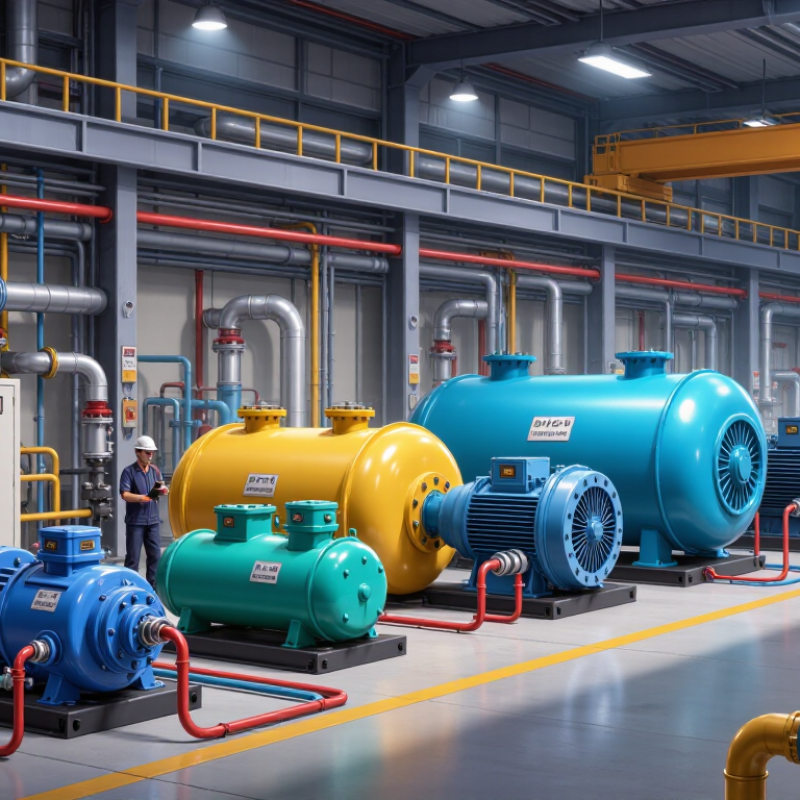
How to Choose Industrial Gas Compressors for Your Business
Start by defining the gas compression requirement in measurable terms. Identify the gas composition, required flow rate, inlet pressure, and discharge pressure. Record these values during normal production and peak demand. A compressor handling 500 cubic meters per hour needs different sizing from one handling 1,000.
Operating conditions often decide whether a system performs reliably. Check inlet temperature, ambient temperature, altitude, humidity, and available cooling capacity. Gas containing moisture, dust, or corrosive compounds may require filtration, separation, or special material selection. Note the expected duty cycle too. Continuous operation places different demands on bearings, seals, and lubrication than occasional use. Leave practical space around the equipment for inspection and safe maintenance.
Field measurements are valuable, but they are not always complete. A neat spreadsheet can still mislead. Compare process data with several days of actual operating records, then review the assumptions with experienced technicians. Include start-up loads, pressure fluctuations, future production changes, and emergency shutdown conditions. Oversizing may increase energy use and create unstable operation, while undersizing can cause overheating and production delays. A modest safety margin is sensible, but it should be justified by measured conditions. I have seen projects fail because engineers trusted nominal flow figures and ignored hot afternoon temperatures. That detail matters.
The chart compares representative industrial compression requirements using suction pressure, discharge pressure, and compression ratio. These engineering design points illustrate how gas type and application affect compressor selection. Final sizing should also consider gas composition, flow rate, inlet temperature, operating hours, pressure fluctuations, safety requirements, and the required turndown range.
Values are representative industry operating examples rather than company or brand data. Pressures are shown in bar gauge, while compression ratio is calculated using absolute pressure.
Industrial applications need more than a pressure rating. Gas composition, flow demand, duty cycle, and maintenance access should guide the comparison.
Reciprocating compressors suit high-pressure service and changing flow requirements. Their cylinders can deliver strong compression, but valves and piston rings need regular inspection. Pulsation may also require dampeners and careful pipe design. Rotary screw compressors provide steady flow with fewer vibration issues. They work well for continuous, medium-pressure operations. However, gas compatibility matters, especially when lubrication could contaminate the process. Centrifugal compressors are effective for large, stable flow rates. They need clean operating conditions and can become inefficient during low-demand periods. Surge control is not optional.
Tips: Ask for a full operating map, not one peak number. Record suction pressure, discharge pressure, gas temperature, purity limits, and hourly demand. Check whether technicians can safely reach filters, seals, and valves. A smaller unit may look economical, but frequent cycling can increase wear. A larger unit may waste energy during quiet shifts. This is where selection becomes less tidy than a catalog suggests.
In practice, I would compare total operating cost over several years. Include electricity, cooling, spare parts, downtime, and inspection labor. An oil-free design may reduce contamination risk, yet it can require stricter maintenance. A centrifugal system may offer excellent efficiency, but only when demand remains consistent. Real measurements are better than assumptions. Still, early data is often incomplete. Build room for correction before approving the final specification.
Choosing an industrial gas compressor starts with operating data, not catalog horsepower. Record the gas type, inlet temperature, suction pressure, discharge pressure, and required flow. Use normal, minimum, and peak conditions. Capacity must match real demand. An oversized unit may cycle frequently, waste energy, and suffer unnecessary wear. An undersized unit can miss production targets when demand rises. Measure the process, if possible. Estimates are useful, but they are still estimates.
Pressure calculations should include piping losses, valves, filters, coolers, and altitude effects. Do not select a compressor from discharge pressure alone. Map the pressure ratio across the full operating range. Efficiency matters at the expected duty point, not only at the best published rating. Compare specific energy consumption, expressed as power per unit of compressed gas. Ask for performance curves and test conditions. Numbers without conditions can mislead. In one assessment, a pressure estimate looked correct until a clogged filter added significant resistance.
Gas compatibility deserves equal attention. Check molecular weight, moisture, corrosiveness, toxicity, flammability, and cleanliness requirements. Materials, seals, lubrication, and cooling arrangements must suit the actual gas. Some gases can dilute oil or damage elastomers. That detail is easy to miss. Review safety controls and applicable standards with qualified engineers. Leave room for maintenance access and future demand. A compact installation may look efficient, yet become difficult to service. I would revisit the selection after collecting real operating data, because early assumptions are often incomplete.
When choosing an industrial gas compressor, start with the installation site, not the catalog. Measure floor space, ceiling height, ventilation, ambient temperature, and electrical capacity. A compressor room beside a dusty process line may need stronger filtration and frequent inspection. I have seen layouts fail because service doors could not open fully. Small detail, costly delay.
Maintenance needs should shape the compressor choice. Ask how technicians will reach valves, filters, coolers, and drain points. Review oil change intervals, vibration limits, spare-part availability, and remote alarm functions. Keep a written maintenance history from day one. It can reveal rising discharge temperatures before a shutdown occurs. However, remote monitoring cannot replace physical checks. Sensors can drift. Maintenance plans often look better on paper than in busy plants.
Safety assessment must match the gas, pressure, and operating environment. Confirm pressure relief protection, emergency isolation, leak detection, grounding, and safe exhaust routing. Operators need practical training, not only signed procedures. Run emergency drills with the actual control panel. Environmental needs also deserve close attention. Compare energy consumption at normal load, not only rated capacity. Check noise levels, heat rejection, lubricant handling, and possible gas emissions. A smaller unit may waste less energy, but poor control can cause frequent cycling. Recheck calculations after production changes.
Choosing an industrial gas compressor begins with the supplier, not the catalogue. Ask for verified flow, pressure, gas compatibility, service response times, and installed references. A reliable supplier should measure your duty cycle on site, including start-up demand, leaks, ambient temperature, and future production changes. One oversized compressor may run inefficiently for years. Pressure is not free.
Calculate total ownership cost across the equipment’s working life. Include purchase price, installation, controls, cooling, filtration, maintenance, spare parts, electricity, downtime, and disposal. The U.S. Department of Energy reports that compressed air systems can consume about 10% of industrial electricity. Its Improving Compressed Air System Performance sourcebook also estimates that leaks may waste 20–30% of compressor output. These figures make energy audits and leak testing financially important, not optional.
Compare suppliers using measured performance, not advertised motor size. Request a performance map at your actual flow and discharge pressure. Then use this simple model: total cost equals capital cost plus energy and maintenance costs minus recoverable heat value. The IEA’s Energy Efficiency 2023 report emphasizes efficiency improvements in motor-driven systems, but savings depend heavily on operating conditions. My practical warning is simple: projected savings can look impressive until idle hours, poor controls, or neglected filters are added. That estimate is imperfect. Recheck it with twelve months of operating data.
„Thanks to the LUVIR technology, the solder resist process could be switched directly from the previously used mask exposure to direct exposure. As an outstanding digital solution on the market, this technology has been able to demonstrate fast process times and superior quality on our certified conventional ink in production. This allowed us to fully digitize the solder mask process at low cost – without process or ink adjustments. An excellent benefit to our production in Rot am See.“
Ralf Göhringer (Head of Production WE Rot am See)
I would definitely recommend the Limata machine and team for a future company purchase
Michael Greenaway
Compunetics Inc.
“The Limata ldi has been amazing!! Best thing we did was buy this machine”
Richard Brady
GM
Circuitlabs
“Since 2019, we have been running the Limata X1000 LDI system (including LUVIR for solder mask imaging) in daily production as an addition to our current process with film. The machine was capable of properly exposing Taiyo PSR-4000 BN (DI) solder mask types on normal to high-copper boards using a new and unique direct imaging process. The machine operating interface is very user friendly which allowed for a quick technical training curve. The pre-registration processing reduced several seconds of production time at every print. Limata support and service staff is incomparable. They supported our team every step of the way at basically any time of the day or night, with literally, an immediate response time, customizing the software interface to best fit our Operations and needs.
We have exposed more than 8,000 prints since end of October, on various solder mask colors and some resist film panels. Limata, has proven to be very capable and innovative. They are a strong contender in the industry.
We have very much enjoyed this project, and working with the team!
Thank you Limata for the continued support and being a part of our growth.”
Bill Sezate
Vice President, GM
Summit Interconnect
As a replacement to our current contact exposure process with film, the LIMATA X2000 system including LUVIR-Technology was capable of properly exposing non-LDI solder mask types using a direct imaging process. The machine offers cutting edge software with a very intuitive operating interface which allowed for quick technician training curve. The dual drawer system combined with pre-registration processing reduced several seconds of production time at every machine cycle. Limata support and service staff is world class. They added software patches to keep production running at shortest possible response times, customized the software interface to best fit our in-house Operations system, and even wrote a step-by-step machine processing manual. As a result of the project, we have exposed more than 16,000 times on various product types and solder mask brands/colors. Limata, in a very short timeframe as a company, has definitely shown they are truly innovative and will be challenging the industry of direct imaging for the top spot.
Kevin Beattie
Process Engineer
TTM Technologies
Forest Grove Division
