Industrial Infrared Heaters have become a vital asset for businesses seeking efficiency and cost-effectiveness. According to a recent report by the Global Infrared Heating Market, the industry is projected to grow at a CAGR of 8.6% from 2022 to 2030. This rapid expansion underscores the increasing reliance on these heating solutions across various sectors, from manufacturing to food processing.
Expert in industrial heating, Dr. Sarah Thompson, emphasizes, "Industrial Infrared Heaters significantly enhance energy efficiency and can reduce operational costs by up to 30%." This staggering statistic highlights the potential financial benefits for businesses willing to invest in these systems. The technology behind Industrial Infrared Heaters allows for targeted heating, which minimizes energy waste.
However, not all businesses may recognize the full benefits or the necessary considerations when implementing such technology. Many companies may overlook the importance of proper system sizing or maintenance. These oversights can lead to unexpected challenges and reduced ROI. As businesses navigate the decision to adopt Industrial Infrared Heaters, addressing these complexities is crucial for ensuring optimal performance and sustainability.
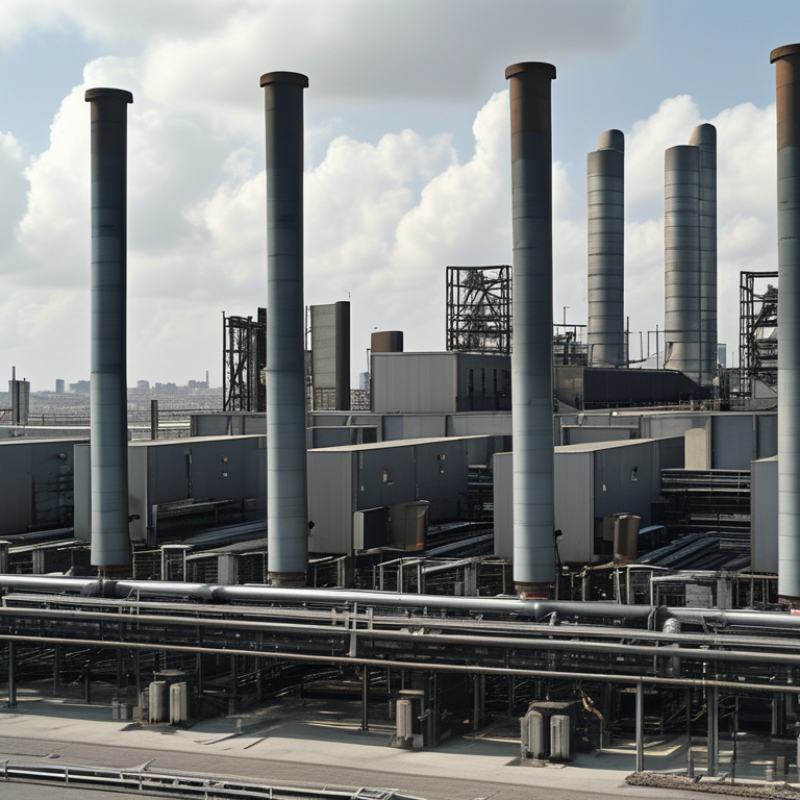
Industrial infrared heaters offer significant benefits for businesses seeking efficient heating solutions. These heaters excel in direct heat transfer. They warm objects and surfaces instead of the surrounding air, leading to quicker and more uniform heating. According to industry reports, infrared heaters can achieve energy savings of up to 50% compared to traditional heating methods. This efficiency not only lowers operational costs but also minimizes environmental impact.
Proper placement of infrared heaters can enhance their effectiveness. For best results, position them to avoid obstructions, maximizing their reach. Regular maintenance is crucial too. Ensuring the heating elements are clean can prevent efficiency losses. Moreover, consider the size of your workspace. If it's large, multiple units may be needed for consistent heating.
When implementing infrared heaters, focus on your specific heating needs. They are beneficial for various industrial applications, including drying processes and material heating. However, an improper setup can lead to uneven heating, which may affect production quality. Understanding your environment and using effective solutions will drive better results.
Industrial infrared heaters are becoming a popular choice in various sectors. They offer unique features that enhance operational efficiency. One key feature is their direct heating capability. This means they warm objects rather than the air. As a result, heat loss is minimized, leading to energy savings. These heaters can be placed strategically to focus heat where it is most needed.
Another valuable aspect is their quick heating time. Unlike traditional heaters, infrared models provide instant warmth. This characteristic is essential for businesses that require immediate results. Additionally, many units offer adjustable settings. This allows for precise temperature control. Businesses can fine-tune the output based on specific requirements.
However, it’s important to consider the installation process. Not all environments are suitable for infrared heating. Proper planning is crucial to avoid inefficiencies. In some cases, reflection surfaces might be necessary to optimize heat distribution. Businesses should assess their unique needs before making a decision. Efficiency is desirable, but achieving it requires careful thought.
Industrial infrared heaters have become essential tools in various industries. Their efficiency and versatility suit numerous applications. In manufacturing, these heaters excel in process drying and curing, significantly reducing production time. A recent industry report noted that the use of infrared heating systems can improve energy efficiency by up to 50%. This reduction directly impacts operational costs. In food processing, infrared technology ensures rapid and even heating, enhancing product quality while minimizing microbial contamination.
In the automotive sector, infrared heaters are used for paint curing. Their quick heat-up times allow for faster production cycles, leading to increased output. Studies have shown that this method decreases solvent emissions, aligning with environmental regulations. The textile industry also benefits, as infrared heating improves dyeing processes. However, improper usage may lead to uneven results, showcasing the need for careful calibration and monitoring.
Organizations should invest time in training staff on infrared heater operation. Adjusting heater settings based on material type is crucial for achieving desired outcomes. Regular maintenance is necessary to maintain peak performance. Companies can assess energy savings through systematic data collection and analysis. Continuous improvement practices can bolster overall efficiency, aligning with industry standards.
Industrial infrared heaters have gained popularity due to their cost-effectiveness. Businesses are constantly looking for energy-efficient solutions. Research from the Department of Energy indicates that infrared heaters are 30% more efficient than traditional heating systems. They convert energy directly into heat, reducing energy waste significantly.
Operational costs are a critical consideration. Infrared heaters require less energy to achieve the same temperature levels. For example, a typical infrared heater can warm up a space faster, leading to decreased utility bills. A report by the International Energy Agency suggests that businesses switching to infrared technology can save up to 50% in heating costs annually. This figure emphasizes the economic advantages.
Furthermore, infrared heaters have a longer lifespan compared to conventional heaters. They can last up to 20 years with proper maintenance. This durability reduces replacement frequency, offering long-term savings. However, businesses need to evaluate initial investment against these savings realistically. Transitioning to infrared technology may require upfront costs that could be a barrier. Making informed decisions based on accurate data is crucial for any business.
| Criteria | Details | Benefits |
|---|---|---|
| Energy Efficiency | Uses infrared radiation to heat objects directly, reducing energy waste | Lower energy bills and minimal heat loss |
| Maintenance Costs | Requires minimal maintenance compared to traditional heaters | Reduced maintenance expenses over time |
| Instant Heat | Provides immediate heating, reducing downtime | Increased productivity in operations |
| Versatility | Suitable for various industrial applications including curing, drying, and warming | Flexibility to adapt to different processes |
| Safety | Lower risk of burns and exposure to fires compared to conventional heating | Enhanced worker safety and reduced liability |
When selecting an industrial infrared heater, specific needs should guide your choice. The first step involves understanding your heating requirements. Different applications call for various heater types. For instance, a manufacturing facility might need a powerful unit for fast heating. Alternatively, a warehouse could benefit from a softer, distributed heat.
Next, consider the efficiency of the heaters. Infrared heaters convert energy into heat effectively, reducing costs in the long run. Compare wattage and coverage areas. Some models might heat quickly but cover a small area. This could lead to uneven heating and wasted energy. It's essential to examine these specifications closely.
Installation and maintenance are also critical factors. Some heaters require more complex setups, which can lead to increased costs. Regular maintenance is necessary to keep these units running effectively. Researching different models can be overwhelming. Aim for a balance between performance and ease of use for your team. Every business has unique needs, and there isn't a one-size-fits-all solution.
„Thanks to the LUVIR technology, the solder resist process could be switched directly from the previously used mask exposure to direct exposure. As an outstanding digital solution on the market, this technology has been able to demonstrate fast process times and superior quality on our certified conventional ink in production. This allowed us to fully digitize the solder mask process at low cost – without process or ink adjustments. An excellent benefit to our production in Rot am See.“
Ralf Göhringer (Head of Production WE Rot am See)
I would definitely recommend the Limata machine and team for a future company purchase
Michael Greenaway
Compunetics Inc.
“The Limata ldi has been amazing!! Best thing we did was buy this machine”
Richard Brady
GM
Circuitlabs
“Since 2019, we have been running the Limata X1000 LDI system (including LUVIR for solder mask imaging) in daily production as an addition to our current process with film. The machine was capable of properly exposing Taiyo PSR-4000 BN (DI) solder mask types on normal to high-copper boards using a new and unique direct imaging process. The machine operating interface is very user friendly which allowed for a quick technical training curve. The pre-registration processing reduced several seconds of production time at every print. Limata support and service staff is incomparable. They supported our team every step of the way at basically any time of the day or night, with literally, an immediate response time, customizing the software interface to best fit our Operations and needs.
We have exposed more than 8,000 prints since end of October, on various solder mask colors and some resist film panels. Limata, has proven to be very capable and innovative. They are a strong contender in the industry.
We have very much enjoyed this project, and working with the team!
Thank you Limata for the continued support and being a part of our growth.”
Bill Sezate
Vice President, GM
Summit Interconnect
As a replacement to our current contact exposure process with film, the LIMATA X2000 system including LUVIR-Technology was capable of properly exposing non-LDI solder mask types using a direct imaging process. The machine offers cutting edge software with a very intuitive operating interface which allowed for quick technician training curve. The dual drawer system combined with pre-registration processing reduced several seconds of production time at every machine cycle. Limata support and service staff is world class. They added software patches to keep production running at shortest possible response times, customized the software interface to best fit our in-house Operations system, and even wrote a step-by-step machine processing manual. As a result of the project, we have exposed more than 16,000 times on various product types and solder mask brands/colors. Limata, in a very short timeframe as a company, has definitely shown they are truly innovative and will be challenging the industry of direct imaging for the top spot.
Kevin Beattie
Process Engineer
TTM Technologies
Forest Grove Division
