In the rapidly evolving healthcare sector, the choice of materials is critical. One area gaining significant attention is Medical Nonwoven Fabric. Dr. Lucy Chen, a renowned expert in healthcare materials, emphasizes, “The right fabric can enhance patient care and safety.” This assertion highlights the pivotal role of Medical Nonwoven Fabric in today's medical applications.
Medical Nonwoven Fabric offers unique benefits such as breathability, fluid resistance, and sterility. These properties make it ideal for various healthcare products, from surgical gowns to masks. As hospitals strive for higher hygiene standards, this material stands out. Its disposable nature reduces cross-contamination risks, addressing persistent challenges in infection control. Yet, it's essential to consider not just performance, but also environmental impacts.
This material is not infallible. Quality can vary widely among manufacturers, leading to potential risks. Selection must be guided by thorough research and established standards. Stakeholders in healthcare should ensure that the chosen Medical Nonwoven Fabric meets necessary certifications. This diligence can make a profound difference in patient outcomes and safety.
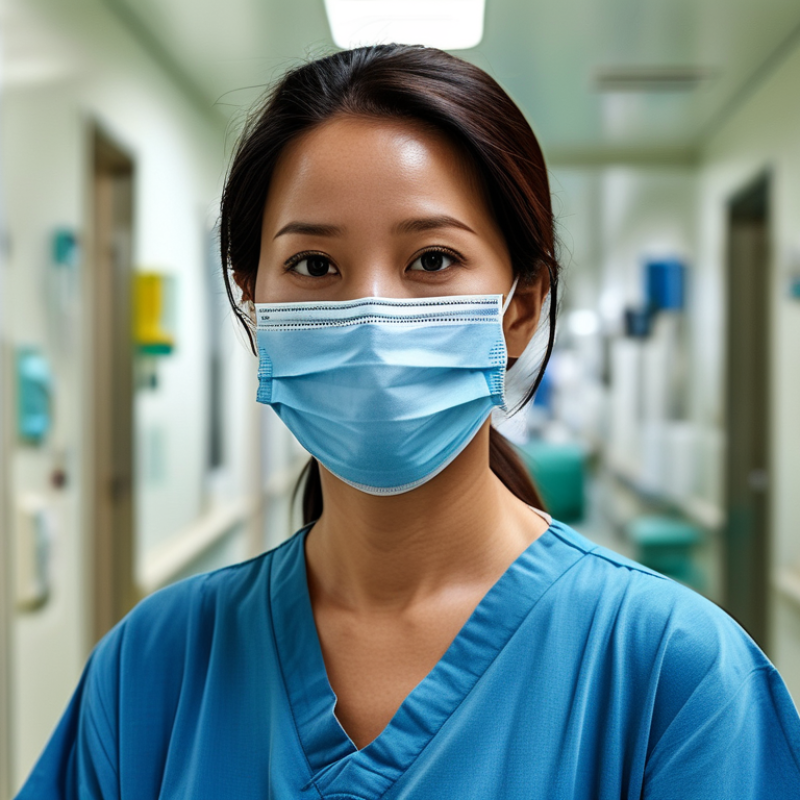
Medical nonwoven fabric is a vital component in the healthcare industry. Understanding its definition and types is crucial. Nonwoven fabrics are engineered materials made from fibers bonded together through chemical, mechanical, or thermal processes. These fabrics differ from traditional textiles due to their unique production method, which allows for various applications.
There are several types of medical nonwoven fabrics, each serving a specific purpose. For instance, spunbond nonwovens possess strength and durability, making them ideal for surgical gowns and drapes. Meanwhile, meltblown nonwovens are excellent for filtration, often used in masks and other protective gear. According to market reports, the global medical nonwoven fabric market was valued at over $9 billion in 2022, with a projected growth rate of 6% annually. This highlights the increasing demand for high-quality materials in healthcare settings.
However, challenges exist in selecting the right type of fabric for specific applications. Variability in raw materials and manufacturing processes may lead to inconsistencies in performance. Health professionals must be cautious and informed when choosing nonwoven products, ensuring compliance with safety standards. As the healthcare landscape evolves, ongoing research and development will play an essential role in addressing these concerns.
Medical nonwoven fabrics have gained recognition in healthcare for their unique properties. These materials offer excellent fluid resistance, crucial for various applications, including surgical gowns and drapes. This waterproof feature helps protect healthcare professionals and patients from potential infections. With increasing healthcare demands, the adaptability of nonwoven fabrics stands out.
Their lightweight nature makes them comfortable for extended wear. While some might choose heavier materials for durability, this can lead to fatigue during long procedures. Nonwovens provide a balance between comfort and functionality, making them suitable for patient use. Additionally, the breathability of these fabrics allows for excellent air circulation, reducing the risk of overheating or discomfort during treatments.
Nonwovens are also cost-effective. They can be produced in bulk, which is essential for hospitals managing tight budgets. However, concerns about waste from single-use products persist. Many healthcare facilities are exploring recycling options for these materials. This shift shows a commitment to sustainability. The push for efficient, environment-friendly practices must be a priority in the industry. Adopting medical nonwoven fabrics may entail some learning and adjustments, but the benefits are increasingly apparent.
Nonwoven fabrics have gained traction in healthcare settings for their unique benefits compared to traditional materials. According to a report by Smithers Pira, the global market for nonwoven fabrics is set to reach $50 billion by 2024. This growth indicates a significant shift toward medical nonwoven applications, particularly in disposable items like surgical gowns and masks.
Traditional materials, such as woven fabrics, often require extensive processing and are less efficient for single-use applications. In comparison, nonwoven fabrics can be produced quickly and at a lower cost. They offer superior fluid resistance and breathability. Research by the American Medical Association shows that certain nonwoven surgical drapes reduce the risk of hospital-acquired infections by up to 30%. This effectiveness is crucial in fast-paced medical environments where infection control is vital.
However, the transition to nonwoven materials is not without challenges. The industry must ensure sustainability and manage waste from disposable items. Many nonwoven products are made from polypropylene, which poses environmental concerns. As healthcare facilities adopt these materials, they must also consider potential impacts on waste management and end-of-life recycling solutions. Understanding these complexities is essential for responsible decision-making in healthcare procurement.
Medical nonwoven fabrics play a vital role in healthcare settings. These materials are designed for one-time use, ensuring hygienic and safe conditions in hospitals and clinics. Common applications include surgical gowns, masks, and bed linens. The lightweight nature of nonwoven fabrics allows for breathability and comfort for patients and healthcare professionals alike.
In surgical environments, nonwoven fabrics provide a reliable barrier against contaminants. They are engineered to resist fluids and bacteria, making them crucial for infection control. Additionally, nonwoven drapes can be easily disposed of after procedures, reducing the risk of cross-contamination. This characteristic is significant in maintaining a sterile environment, where every detail matters.
Moreover, medical nonwovens are also used in wound care products like bandages and dressings. These materials can enhance moisture management, fostering a proper healing environment. While effective, there is ongoing research aimed at improving the biocompatibility and softness of these fabrics. It's important to continually evaluate and refine these materials to meet evolving healthcare demands.
The medical nonwoven fabric industry is evolving rapidly. The global market is expected to reach $24.7 billion by 2027, growing at a CAGR of 7.6% (Market Research Future). Innovations in this field are driven by the need for better hygiene, comfort, and versatility in healthcare applications.
One key trend is the use of biodegradable materials. As sustainability becomes a priority, manufacturers are exploring eco-friendly options. Biodegradable nonwovens can offer the same durability while reducing environmental impact. Another innovative trend is the integration of smart technologies into medical nonwovens. For example, sensors embedded in fabrics can monitor patient health in real time. This capability can lead to more personalized care.
Tips for healthcare providers: always consider the material's breathability and moisture management. These factors can significantly affect patient comfort. Research indicates that patient satisfaction greatly improves with the right fabric choice. Additionally, keep an eye on new developments in antimicrobial treatments for nonwovens. These advancements help prevent infections, addressing a critical concern in healthcare settings.
„Thanks to the LUVIR technology, the solder resist process could be switched directly from the previously used mask exposure to direct exposure. As an outstanding digital solution on the market, this technology has been able to demonstrate fast process times and superior quality on our certified conventional ink in production. This allowed us to fully digitize the solder mask process at low cost – without process or ink adjustments. An excellent benefit to our production in Rot am See.“
Ralf Göhringer (Head of Production WE Rot am See)
I would definitely recommend the Limata machine and team for a future company purchase
Michael Greenaway
Compunetics Inc.
“The Limata ldi has been amazing!! Best thing we did was buy this machine”
Richard Brady
GM
Circuitlabs
“Since 2019, we have been running the Limata X1000 LDI system (including LUVIR for solder mask imaging) in daily production as an addition to our current process with film. The machine was capable of properly exposing Taiyo PSR-4000 BN (DI) solder mask types on normal to high-copper boards using a new and unique direct imaging process. The machine operating interface is very user friendly which allowed for a quick technical training curve. The pre-registration processing reduced several seconds of production time at every print. Limata support and service staff is incomparable. They supported our team every step of the way at basically any time of the day or night, with literally, an immediate response time, customizing the software interface to best fit our Operations and needs.
We have exposed more than 8,000 prints since end of October, on various solder mask colors and some resist film panels. Limata, has proven to be very capable and innovative. They are a strong contender in the industry.
We have very much enjoyed this project, and working with the team!
Thank you Limata for the continued support and being a part of our growth.”
Bill Sezate
Vice President, GM
Summit Interconnect
As a replacement to our current contact exposure process with film, the LIMATA X2000 system including LUVIR-Technology was capable of properly exposing non-LDI solder mask types using a direct imaging process. The machine offers cutting edge software with a very intuitive operating interface which allowed for quick technician training curve. The dual drawer system combined with pre-registration processing reduced several seconds of production time at every machine cycle. Limata support and service staff is world class. They added software patches to keep production running at shortest possible response times, customized the software interface to best fit our in-house Operations system, and even wrote a step-by-step machine processing manual. As a result of the project, we have exposed more than 16,000 times on various product types and solder mask brands/colors. Limata, in a very short timeframe as a company, has definitely shown they are truly innovative and will be challenging the industry of direct imaging for the top spot.
Kevin Beattie
Process Engineer
TTM Technologies
Forest Grove Division
