Choosing the right Basic Dyes can be a challenging task. With numerous options available, it's easy to feel overwhelmed. Understanding your specific needs is essential. Basic dyes offer vibrant colors and are frequently used in textiles and crafts.
When selecting basic dyes, consider the fabric type. Different materials absorb dyes differently. This factor can significantly impact the final appearance. Selecting the wrong dye for your fabric may lead to disappointing results. Do your homework and research the compatibility of dyes with your chosen materials.
Quality matters when it comes to basic dyes. Not all products are created equal. Look for reputable brands known for their reliability. Seeking expert advice can help you make informed choices. Sometimes, what appears vibrant on the label may not translate well in practice. Be open to experimenting while reflecting on your dye selections.
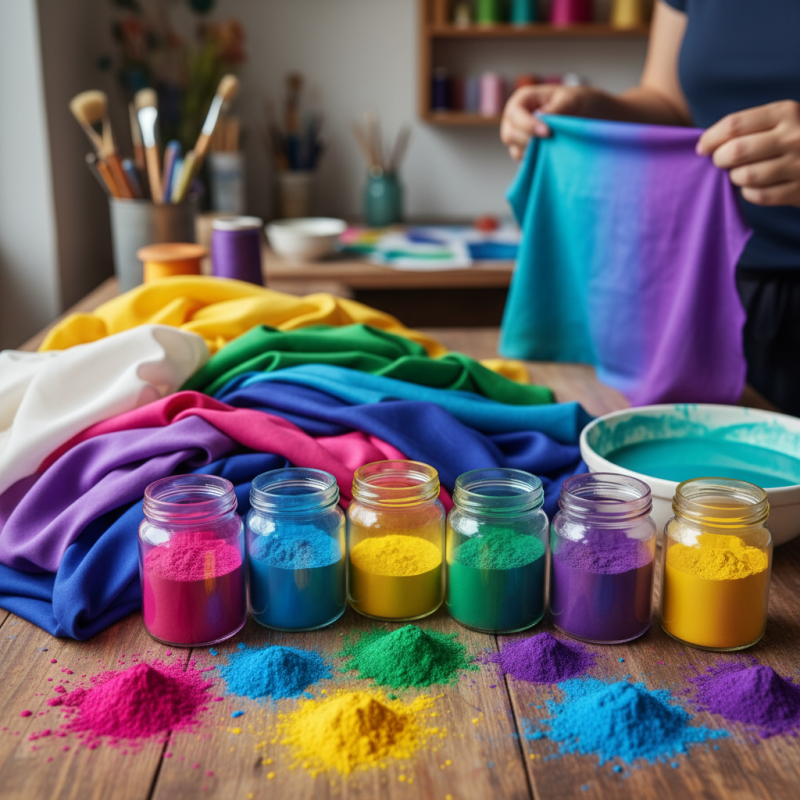
Basic dyes are vibrant coloring agents commonly used in textiles and other materials. They are known for their ability to produce bright shades. Unlike acid dyes, basic dyes adhere to substrates through ionic bonds. This results in excellent colorfastness, making them popular among artisans and manufacturers. However, they can be tricky to work with due to their sensitivity to pH levels.
Choosing the right basic dye requires a careful understanding of its characteristics. The solubility of dyes can vary. Some dissolve quickly in water, while others need more time. Testing dye samples on small fabric pieces can reveal how they behave. Observing the final hues and wash-fastness can guide decisions. Remember, different materials react differently; some may yield unexpected results. It's essential to note that basic dyes may not suit all fabrics, especially those prone to fading.
Despite their brightness, basic dyes may exhibit limitations. Some colors could fade in sunlight or through regular washing. It's crucial to weigh these factors against the desired outcome. If long-lasting color is a priority, exploring various dye types may be beneficial. Researching dye properties and consulting experienced dyers can enhance choices. Embracing the learning process often leads to better results and deeper insights.
When selecting basic dyes, understanding the types available is essential. Basic dyes are cationic and bond easily to anionic materials. They are popular in textile applications. According to a recent market report, the global basic dye industry is projected to grow significantly, driven by increased demand in textiles and paper. This surge highlights the importance of choosing the right dye for your specific needs.
The main types of basic dyes include Brilliant Blue and Methylene Blue, among others. Each type has unique properties and applications. Brilliant Blue is often favored for its vibrant hues, primarily used in synthetic fibers. Methylene Blue is versatile, finding use in both textiles and biological research. Recent studies suggest that consumer preferences are shifting towards eco-friendly dyes, indicating a potential market opportunity.
Choosing the right basic dye requires an understanding of compatibility with your materials. Not all dyes are suitable for every fiber type. Some dyes may not provide the desired fastness properties, leading to fading or bleeding over time. It's crucial to consider not just the immediacy of color but also the long-term performance and environmental impact.
Choosing the right basic dyes requires careful consideration of several factors. The desired color fastness is critical. Research indicates that approximately 40% of consumers prioritize dye durability. Higher durability means longer-lasting colors, which reduces the need for frequent re-dyeing.
The application method should also be taken into account. Some dyes are more suitable for textiles, while others work best in paper or plastics. In a recent industry report, it was shown that 55% of industries experienced issues with dye compatibility in their production processes. Ensuring the dye aligns with your application will prevent costly mistakes.
Cost-effectiveness is another essential factor. Pricing can vary widely based on the dye source and its properties. A study highlighted that inadequate budgeting led to over 30% of companies overspending on dye-related materials. Balancing quality and cost without sacrificing performance is crucial for effective dye selection.
Basic dyes are widely used in various industries due to their vibrant colors and ease of application. In textiles, these dyes are favored for their ability to produce bright shades on natural fibers. They bond well, providing vivid colors that appeal to consumers. However, the fastness of these dyes can be a concern. Wash and light fastness vary, sometimes fading too quickly, leading to dissatisfaction.
In the cosmetics industry, basic dyes are used in products like hair colorants. These dyes provide intense and bold results. Crafting safe and effective formulas is essential, yet the potential for skin irritation exists. Testing and regulation are crucial to ensure consumer safety.
In the food industry, basic dyes can be used, although caution is needed. Not all dyes are suitable for food use. Misapplication can lead to contamination. Understanding the proper applications is key. The versatility of basic dyes is impressive, but manufacturers must balance creativity with responsibility.
Choosing the right basic dyes involves more than just color. Performance and cost-effectiveness play crucial roles in your decision. Basic dyes are known for their vibrant hues but can vary significantly in how well they perform on different fabrics. One needs to consider factors such as colorfastness, staining potential, and application ease. Testing small samples can help ensure that the chosen dye meets specific needs.
When evaluating cost-effectiveness, think beyond the initial purchase price. Calculate the total cost of application, including materials and time required. A cheaper dye may fade quickly, leading to extra expenses for re-dyeing or repairs. Often, investing in a higher-quality dye can save money long-term due to its durability and overall performance.
Tips for effective dye selection include reading user reviews and consulting experts. Ask about their experiences with different products. Understanding the pros and cons of each dye can make a significant difference in your results. Remember that experimentation is often part of the process; what works for one project might not deliver the same outcome for another.
| Dye Type | Colorfastness | Application Method | Cost per kg | Performance Rating |
|---|---|---|---|---|
| Basic Blue 41 | Good | Dye Bath | $15 | 4/5 |
| Basic Red 2 | Excellent | Dye Bath | $20 | 5/5 |
| Basic Yellow 28 | Satisfactory | Spray | $12 | 3/5 |
| Basic Green 4 | Good | Dye Bath | $18 | 4/5 |
| Basic Violet 1 | Very Good | Dye Bath | $22 | 4.5/5 |
„Thanks to the LUVIR technology, the solder resist process could be switched directly from the previously used mask exposure to direct exposure. As an outstanding digital solution on the market, this technology has been able to demonstrate fast process times and superior quality on our certified conventional ink in production. This allowed us to fully digitize the solder mask process at low cost – without process or ink adjustments. An excellent benefit to our production in Rot am See.“
Ralf Göhringer (Head of Production WE Rot am See)
I would definitely recommend the Limata machine and team for a future company purchase
Michael Greenaway
Compunetics Inc.
“The Limata ldi has been amazing!! Best thing we did was buy this machine”
Richard Brady
GM
Circuitlabs
“Since 2019, we have been running the Limata X1000 LDI system (including LUVIR for solder mask imaging) in daily production as an addition to our current process with film. The machine was capable of properly exposing Taiyo PSR-4000 BN (DI) solder mask types on normal to high-copper boards using a new and unique direct imaging process. The machine operating interface is very user friendly which allowed for a quick technical training curve. The pre-registration processing reduced several seconds of production time at every print. Limata support and service staff is incomparable. They supported our team every step of the way at basically any time of the day or night, with literally, an immediate response time, customizing the software interface to best fit our Operations and needs.
We have exposed more than 8,000 prints since end of October, on various solder mask colors and some resist film panels. Limata, has proven to be very capable and innovative. They are a strong contender in the industry.
We have very much enjoyed this project, and working with the team!
Thank you Limata for the continued support and being a part of our growth.”
Bill Sezate
Vice President, GM
Summit Interconnect
As a replacement to our current contact exposure process with film, the LIMATA X2000 system including LUVIR-Technology was capable of properly exposing non-LDI solder mask types using a direct imaging process. The machine offers cutting edge software with a very intuitive operating interface which allowed for quick technician training curve. The dual drawer system combined with pre-registration processing reduced several seconds of production time at every machine cycle. Limata support and service staff is world class. They added software patches to keep production running at shortest possible response times, customized the software interface to best fit our in-house Operations system, and even wrote a step-by-step machine processing manual. As a result of the project, we have exposed more than 16,000 times on various product types and solder mask brands/colors. Limata, in a very short timeframe as a company, has definitely shown they are truly innovative and will be challenging the industry of direct imaging for the top spot.
Kevin Beattie
Process Engineer
TTM Technologies
Forest Grove Division
