Choosing the right Fuse Terminal Blocks can be a pivotal decision for electrical projects. These components ensure safety and functionality in wiring systems. However, with numerous options available, making an informed choice isn't always straightforward.
Fuse Terminal Blocks are designed to protect circuits from overloads and shorts. Each type serves different applications and environments. Thus, understanding their specifications is crucial. For instance, consider the voltage and current ratings. They must align with your project requirements.
Moreover, factors like size and mounting style play roles too. Compatibility with existing systems is necessary. A poor fit can lead to inefficiency. There’s much to reflect on, particularly when balancing quality and cost. Keep in mind that opting for the cheapest option may compromise safety. Thus, exploring reputable brands can provide peace of mind.
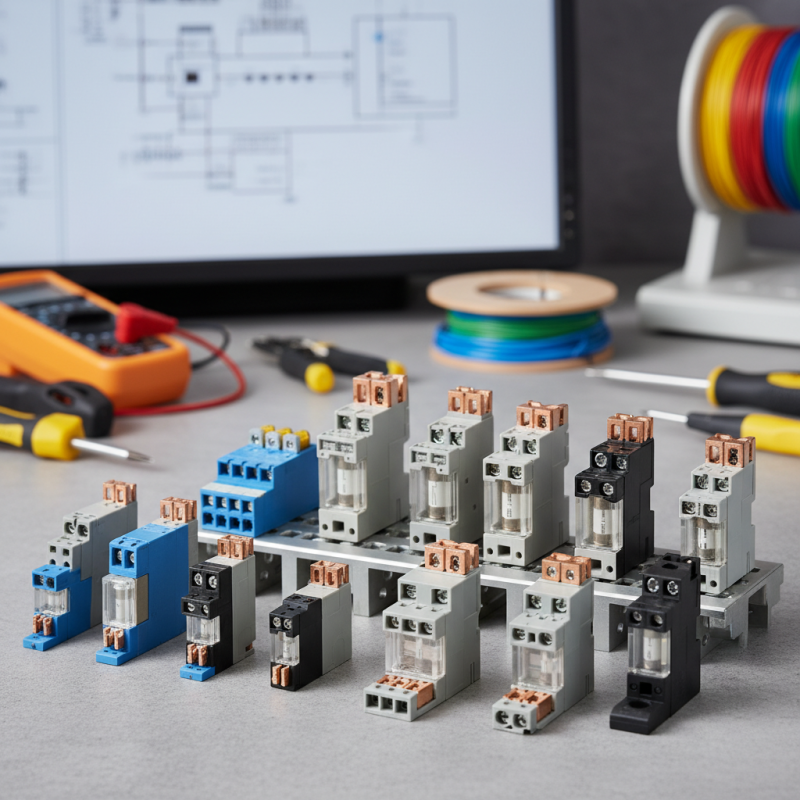
Fuse terminal blocks are essential in electrical systems. They offer a safe and reliable way to connect fuses and manage circuits. Understanding their types and functions can optimize your electrical design.
There are various types of fuse terminal blocks. Some are modular, allowing for easy expansion. Others are compact, fitting into tight spaces. The choice depends on your project's requirements. Recent reports indicate that modular designs are gaining popularity, with a 25% increase in usage in the last five years. This trend underscores the importance of flexibility in modern electrical applications.
When selecting fuse terminal blocks, consider their rated current and voltage. Make sure they can handle your specific application. Check for the correct size and layout for your wiring.
Tips: Ensure the terminal block material is durable. Look for high-quality insulation to prevent short circuits. Regularly inspect connections for wear. This can save time and cost in the long run. Investing time in these details can lead to better performance and reliability in your electrical systems.
When choosing fuse terminal blocks, understanding the key factors is crucial. The voltage rating should align with your application. Ensure that the block can handle the maximum voltage in your system. Pay attention to current ratings too. A block must support the load current without overheating.
Material quality matters significantly. Opt for durable materials that resist corrosion and wear. Consider temperature ratings as well. Higher temperatures can affect the integrity of the terminal blocks. Always verify compatibility with wire sizes used. Mismatched sizes can lead to unsafe connections.
Lastly, think about the layout. Compact spaces may require smaller blocks. Look for designs that facilitate easy installation and maintenance. Sometimes, cost can be tempting but cheap options might be unreliable. Reflect on the long-term implications of your choices. Investing in quality can save future headaches.
When evaluating fuse terminal blocks, electrical ratings and specifications play a crucial role. The voltage rating is fundamental; it determines the maximum voltage the block can safely handle. For instance, many applications require blocks rated for 250V or higher. According to recent industry reports, over 75% of electrical failures stem from inappropriate voltage ratings. Ensuring that your terminal block meets these specifications is essential for preventing potential hazards.
Current ratings are equally important. The right terminal block should support the anticipated load without overheating. Research indicates that a 10% margin above the expected current load is a common best practice in the industry. This margin helps accommodate fluctuations that may occur. Moreover, maintaining proper insulation ratings is critical. Insulation strength affects the long-term reliability of the system. Data shows that blocks with higher insulation resistance often last longer in various environments.
When selecting fuse terminal blocks, consult detailed specifications sheets. Look for compliance with relevant safety standards, such as IEC and UL certifications. These documents provide insights into durability and performance metrics. Analyzing these details may reveal shortcomings. Sometimes, manufacturers may overstate their ratings, leading to potential risks. Always cross-reference product information with industry norms for the best decision-making.
| Fuse Type | Current Rating (Amps) | Voltage Rating (Volts) | Material | Temperature Range (°C) |
|---|---|---|---|---|
| Blade Fuse | 30 | 32 | Plastic | -40 to 85 |
| Cartridge Fuse | 20 | 250 | Glass | -40 to 125 |
| Pico Fuse | 15 | 32 | Ceramic | -55 to 125 |
| Resettable Fuse | 10 | 60 | Polymer | -40 to 85 |
| NH Fuse | 63 | 500 | Metal | -25 to 70 |
Selecting the right materials for fuse terminal blocks is crucial for ensuring durability and performance. One common choice is thermoplastics, which provide excellent insulation. These materials can withstand high temperatures and resist moisture, making them suitable for various environments. However, the choice should not be based solely on general benefits. Specific applications may require more specialized materials.
Metal components also play a significant role in performance. Copper alloys offer superior conductivity. They enhance the efficiency of fuse terminals. It's interesting to note that while some consider cost-effectiveness as the primary factor, the long-term durability often justifies a higher initial investment. Reflecting on past experiences, some users have noticed premature failures due to poor material choices.
Pay attention to environmental factors affecting your application. Humidity, temperature extremes, and chemical exposure can all impact material performance. While many opt for widely available options, it's essential to assess how these factors might influence the longevity of your fuse terminal blocks. Taking the time to evaluate these aspects can lead to better decision-making and improved overall performance.
When installing fuse terminal blocks, optimal usage relies heavily on proper installation and maintenance. Industry reports indicate that nearly 30% of electrical failures stem from improper handling during installation. Therefore, ensure connections are tight and free from contaminants. A clean surface helps provide reliable contact. This attention to detail can significantly enhance the longevity of the system.
Regular maintenance is also essential. Experts recommend periodic inspections every six months. Check for signs of wear, discoloration, or corrosion. These can be symptoms of potential failure points. Implementing a routine maintenance schedule reduces the risk of unexpected failures by more than 25%.
Tips: Choose fuses that match the load requirements accurately. Overrated fuses may cause damage before tripping. Also, ensure adequate cooling around the terminal blocks. Heat can drastically reduce the lifespan of components. Remember, small adjustments now can prevent larger issues later on. Pay close attention to details for the best results.
„Thanks to the LUVIR technology, the solder resist process could be switched directly from the previously used mask exposure to direct exposure. As an outstanding digital solution on the market, this technology has been able to demonstrate fast process times and superior quality on our certified conventional ink in production. This allowed us to fully digitize the solder mask process at low cost – without process or ink adjustments. An excellent benefit to our production in Rot am See.“
Ralf Göhringer (Head of Production WE Rot am See)
I would definitely recommend the Limata machine and team for a future company purchase
Michael Greenaway
Compunetics Inc.
“The Limata ldi has been amazing!! Best thing we did was buy this machine”
Richard Brady
GM
Circuitlabs
“Since 2019, we have been running the Limata X1000 LDI system (including LUVIR for solder mask imaging) in daily production as an addition to our current process with film. The machine was capable of properly exposing Taiyo PSR-4000 BN (DI) solder mask types on normal to high-copper boards using a new and unique direct imaging process. The machine operating interface is very user friendly which allowed for a quick technical training curve. The pre-registration processing reduced several seconds of production time at every print. Limata support and service staff is incomparable. They supported our team every step of the way at basically any time of the day or night, with literally, an immediate response time, customizing the software interface to best fit our Operations and needs.
We have exposed more than 8,000 prints since end of October, on various solder mask colors and some resist film panels. Limata, has proven to be very capable and innovative. They are a strong contender in the industry.
We have very much enjoyed this project, and working with the team!
Thank you Limata for the continued support and being a part of our growth.”
Bill Sezate
Vice President, GM
Summit Interconnect
As a replacement to our current contact exposure process with film, the LIMATA X2000 system including LUVIR-Technology was capable of properly exposing non-LDI solder mask types using a direct imaging process. The machine offers cutting edge software with a very intuitive operating interface which allowed for quick technician training curve. The dual drawer system combined with pre-registration processing reduced several seconds of production time at every machine cycle. Limata support and service staff is world class. They added software patches to keep production running at shortest possible response times, customized the software interface to best fit our in-house Operations system, and even wrote a step-by-step machine processing manual. As a result of the project, we have exposed more than 16,000 times on various product types and solder mask brands/colors. Limata, in a very short timeframe as a company, has definitely shown they are truly innovative and will be challenging the industry of direct imaging for the top spot.
Kevin Beattie
Process Engineer
TTM Technologies
Forest Grove Division
