Choosing the right galvanised steel plate for your project can be challenging. The variety of options available complicates the decision-making process. Galvanised Steel Plates have unique features that make them suitable for different applications. They resist corrosion and offer durability, but not all sizes and specifications fit every project.
It's essential to assess your specific needs before making a choice. Consider the environment in which the steel will be used. Factors like exposure to moisture or chemicals can influence performance. Consulting with steel suppliers or experienced professionals can provide valuable insights. They can guide you toward the best options for your project.
Despite their benefits, some users overlook the importance of thickness and coating type. These factors can significantly impact the longevity and effectiveness of the steel plate. Reflecting on past projects can help you make better decisions. Learn from experiences to avoid common pitfalls when selecting your Galvanised Steel Plate.
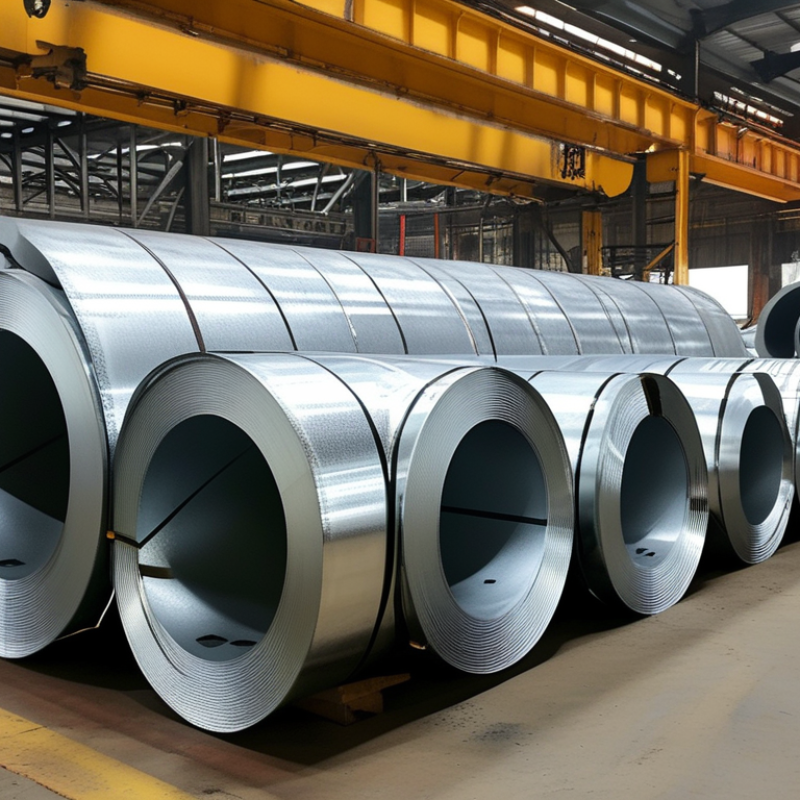
Galvanised steel is a popular material in construction and manufacturing. Understanding its definition helps in choosing the right plate for your project. Galvanised steel is steel coated with a protective layer of zinc. This coating helps prevent rust. It is widely used in roofing, bridges, and even furniture.
When considering application, think about the environment. Will the steel be exposed to moisture? If yes, then galvanisation becomes crucial. The coating may wear off over time, especially in harsh conditions. Regular inspections are essential to maintain its durability.
Tips: Always evaluate the thickness of the galvanised layer. Thicker layers provide better protection but may increase costs. Also, assess your project's specific needs. Sometimes, a different material may perform better. Remember, not every project is the same. Take time to reflect on your options and make informed choices.
Choosing the right galvanised steel plate requires careful consideration. Key factors can significantly influence the outcome of your project. Start with the intended use. Different applications, such as construction or manufacturing, have varying requirements. The thickness of the plate is crucial. Thicker plates offer more strength but may be heavier and harder to work with.
Next, assess the environment where the steel plate will be used. Corrosion resistance plays a vital role in durability. Galvanised steel is coated to resist rust, but not all coatings are equal. Investigate the level of zinc coating on the plate. A thicker layer generally provides better protection.
Lastly, consider the fabrication needs. Some projects entail cutting or welding the steel. Not all galvanised plates respond equally to these processes. This could lead to challenges, like reduced corrosion resistance at cut edges. Balancing these factors can lead to better decision-making. Reflect on your project’s specific needs before choosing your galvanised steel plate.
When selecting a galvanised steel plate, thickness and surface finish are crucial. The thickness not only influences the plate's strength but also its weight and flexibility. Thicker plates offer durability, ideal for structural applications. However, they can be more challenging to cut and install. On the other hand, thinner plates provide ease of handling but might not withstand heavy loads. Evaluate the demands of your project carefully when making this choice.
For surface finish, consider the required aesthetic and functional aspects. A smooth finish is often preferred for applications where visual appeal is key. Conversely, a rougher surface can enhance adhesion for coatings or paint. Think about the environment the plate will be used in. Corrosive environments demand a high-quality finish to prolong the steel’s life.
Tips for evaluating thickness: Assess the load requirements of your project first. Test different thicknesses to see how they perform under stress. For surface finish, consult with professionals about the best options for your specific needs. Remember, even slight imperfections in finish can lead to long-term issues. It’s essential to gather feedback from experts in the field. Don't rush; thorough evaluations yield better outcomes.
When selecting a galvanised steel plate, understanding environmental conditions is crucial. Different projects face unique challenges based on location and climate. For instance, coastal areas experience higher humidity and salt exposure. This increases the risk of corrosion. Therefore, you must assess the environment to choose the most suitable steel plate.
Corrosion resistance varies among galvanised steel types. Some plates receive thicker coatings, offering better protection. Additionally, consider the presence of pollutants or chemicals in the surroundings. Industrial areas can introduce corrosive elements that compromise the integrity of the steel. Regular inspections can reveal signs of wear over time, prompting necessary adjustments.
Reflecting on these factors can uncover overlooked aspects of your project. Have you evaluated the long-term implications of your choice? A durable material might seem initially costly, but it can save money on repairs. Ensure you balance immediate needs with future expectations for the best outcome.
When selecting a supplier for galvanized steel plates, verify their certification standards. Industry reports highlight that over 70% of failures in construction projects can be traced back to substandard materials. Choose suppliers with ISO certifications or other recognized standards. This ensures consistency in quality and compliance with safety regulations.
Consider the supplier's experience in the industry. A supplier with decades of expertise may offer insights that newer companies lack. Look for reviews from past clients to gauge reliability. According to a 2022 study, 65% of project delays are linked to material procurement issues. A trustworthy supplier can significantly mitigate these risks.
Tips: Always request material test reports from your supplier. This documents the quality of the steel plates and confirms compliance with relevant standards. Keep an open dialogue with suppliers about any uncertainties. Transparency leads to a stronger business relationship and smoother project execution. Remember to reflect on whether the supplier’s capabilities meet your specific project needs.
„Thanks to the LUVIR technology, the solder resist process could be switched directly from the previously used mask exposure to direct exposure. As an outstanding digital solution on the market, this technology has been able to demonstrate fast process times and superior quality on our certified conventional ink in production. This allowed us to fully digitize the solder mask process at low cost – without process or ink adjustments. An excellent benefit to our production in Rot am See.“
Ralf Göhringer (Head of Production WE Rot am See)
I would definitely recommend the Limata machine and team for a future company purchase
Michael Greenaway
Compunetics Inc.
“The Limata ldi has been amazing!! Best thing we did was buy this machine”
Richard Brady
GM
Circuitlabs
“Since 2019, we have been running the Limata X1000 LDI system (including LUVIR for solder mask imaging) in daily production as an addition to our current process with film. The machine was capable of properly exposing Taiyo PSR-4000 BN (DI) solder mask types on normal to high-copper boards using a new and unique direct imaging process. The machine operating interface is very user friendly which allowed for a quick technical training curve. The pre-registration processing reduced several seconds of production time at every print. Limata support and service staff is incomparable. They supported our team every step of the way at basically any time of the day or night, with literally, an immediate response time, customizing the software interface to best fit our Operations and needs.
We have exposed more than 8,000 prints since end of October, on various solder mask colors and some resist film panels. Limata, has proven to be very capable and innovative. They are a strong contender in the industry.
We have very much enjoyed this project, and working with the team!
Thank you Limata for the continued support and being a part of our growth.”
Bill Sezate
Vice President, GM
Summit Interconnect
As a replacement to our current contact exposure process with film, the LIMATA X2000 system including LUVIR-Technology was capable of properly exposing non-LDI solder mask types using a direct imaging process. The machine offers cutting edge software with a very intuitive operating interface which allowed for quick technician training curve. The dual drawer system combined with pre-registration processing reduced several seconds of production time at every machine cycle. Limata support and service staff is world class. They added software patches to keep production running at shortest possible response times, customized the software interface to best fit our in-house Operations system, and even wrote a step-by-step machine processing manual. As a result of the project, we have exposed more than 16,000 times on various product types and solder mask brands/colors. Limata, in a very short timeframe as a company, has definitely shown they are truly innovative and will be challenging the industry of direct imaging for the top spot.
Kevin Beattie
Process Engineer
TTM Technologies
Forest Grove Division
