In the quest for optimal thermal efficiency, selecting the right NBR/PVC Rubber Foam Insulation is crucial. According to a recent market analysis by Research and Markets, the global insulation market is projected to reach $70 billion by 2026, highlighting the importance of effective insulation solutions. NBR/PVC Rubber Foam Insulation plays a significant role due to its excellent thermal performance and cost-effectiveness.
Choosing the appropriate insulation can seem overwhelming. Industry experts note that not all NBR/PVC products are created equal. Performance can vary based on density, thickness, and installation method. Reports indicate that improper insulation choice can lead to energy losses of up to 30%, emphasizing the need for careful consideration.
Many factors influence insulation effectiveness, including environmental conditions and specific application requirements. Users often overlook the long-term benefits of NBR/PVC Rubber Foam Insulation. A well-informed choice can yield significant savings and improved comfort. However, ensuring the right fit requires understanding the unique properties of each insulation type. Balancing cost and performance is essential, demanding a critical look at available options.
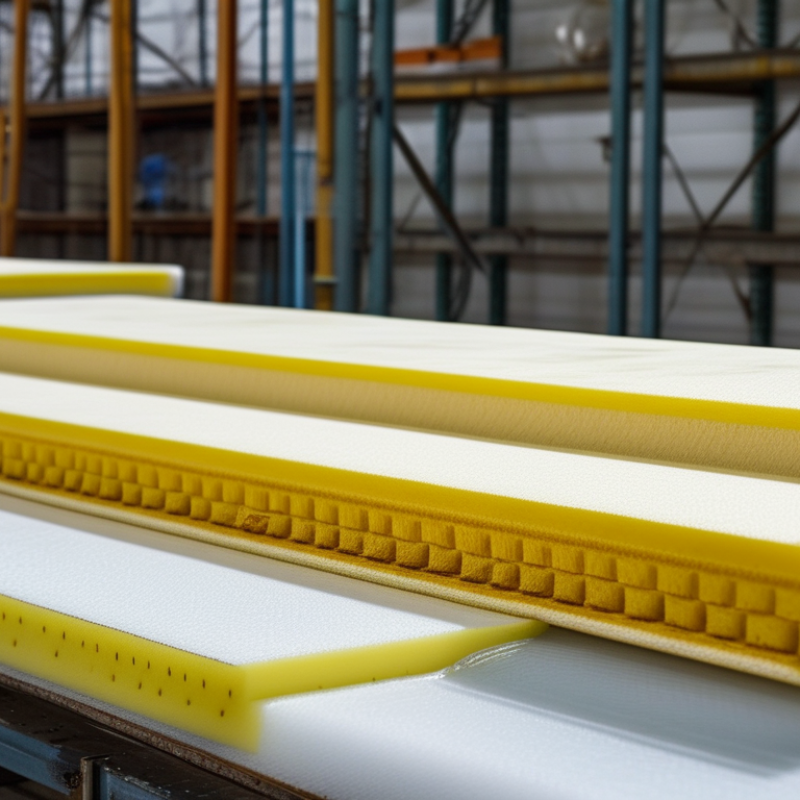
NBR PVC rubber foam insulation is a versatile material widely used in various applications. It offers excellent thermal insulation, sound absorption, and moisture resistance, making it ideal for HVAC systems, refrigeration, and even construction projects. Understanding its properties can help you select the right insulation for your needs.
When choosing NBR PVC rubber foam, consider the environment where it will be used. For instance, high humidity areas benefit from moisture-resistant insulation. In contrast, applications requiring soundproofing may need denser materials. Each application has unique requirements that should influence your decision.
**Tips:** Always assess the temperature range the insulation will face. Check the material’s density for specific applications. It’s crucial to be aware that installation practices affect performance. Poorly installed insulation can lead to inefficiency. Additionally, remember that not all suppliers provide the same quality. Research and choose materials known for durability.
Be mindful of your project's specific needs. While NBR PVC is reliable, there may be circumstances where a different material is more suitable. Always evaluate the conditions before making a choice. Consider consulting with an expert for tailored advice to ensure optimal results.
When selecting NBR PVC rubber foam for insulation, it’s essential to consider its key properties. This material boasts excellent thermal insulation, with thermal conductivity values as low as 0.035 W/m·K. Such efficiency allows for significant energy savings, making it a popular choice across industries. Moreover, NBR PVC rubber foam is resistant to moisture and chemicals, enhancing its durability in diverse environments. According to a recent market report, effective insulation can reduce energy consumption by up to 30%.
Flexibility is another notable characteristic. NBR PVC rubber foam can easily conform to various shapes and surfaces. This adaptability assists in applications where traditional insulation materials might fail. Additionally, the foam's sound-dampening properties contribute to noise reduction, a crucial factor in environments requiring quiet. Most experts agree that choosing materials with a density range between 30 to 50 kg/m³ offers optimal performance for both thermal and acoustic insulation.
**Tip:** Consider the application environment. In humid or chemically active settings, prioritize materials that offer superior moisture and chemical resistance.
**Tip:** Always check thermal resistance ratings. A higher R-value indicates better insulating performance.
While the benefits of NBR PVC rubber foam are significant, potential downsides exist. The initial cost can be higher compared to other insulation options. Users must analyze long-term savings versus upfront expenses. Evaluating both performance and cost-effectiveness is crucial for smarter decisions in insulation design.
Choosing the right NBR PVC rubber foam insulation requires careful consideration of several factors. The insulation's thermal resistance is crucial. Look for materials with high R-values to ensure efficient temperature control. This can significantly reduce energy costs in your application.
Another important aspect is the insulation's density. Higher density materials often provide better structural support and durability. However, this can lead to higher costs. Balancing quality and expense can be challenging. Additionally, consider the intended environment. Will it be exposed to chemicals or moisture? Selecting the right material for specific conditions is vital.
Lastly, think about the installation process. Easy-to-handle materials save time and labor costs. If the insulation is too rigid, it might complicate application. There’s no one-size-fits-all solution. Evaluating these factors can guide you toward a more informed choice.
Installing NBR PVC rubber foam insulation requires careful attention to detail. This material is versatile and effective in reducing noise and thermal energy loss. Proper installation techniques are crucial to ensure maximum efficiency. Start by measuring your space accurately. Use a sharp utility knife to cut the insulation to fit your pipes or ducts snugly. Gaps can lead to energy loss, so precision is key.
Tips: Always wear protective gear during installation. This helps prevent injuries from sharp tools or materials. Additionally, work in a well-ventilated area to avoid inhaling dust particles.
When applying the insulation, adhere the material firmly to the surface. Use an appropriate adhesive or tape to secure the seams. Over time, poorly sealed seams can allow air infiltration, reducing insulation effectiveness. Ensure the insulation covers all exposed areas, particularly around joints and fittings. This attention to detail can significantly enhance the insulating properties of NBR PVC rubber foam.
Tips: Take your time. Rushing can lead to mistakes that might not be noticeable right away. It's important to double-check your work. If any sections are not properly insulated, it could defeat the purpose of your efforts.
Maintaining NBR PVC rubber foam insulation is crucial for maximizing its performance. Proper care can extend its lifespan significantly. According to a report by the International Association of Insulation, regular inspections can reduce insulation degradation by over 40%. Inspect for cracks, tears, or moisture accumulation, as these factors can compromise insulation ability.
Keep insulation clean. Dust and debris can decrease thermal efficiency. A simple damp cloth can wipe away dirt without harmful chemicals. However, be cautious. Using the wrong cleaning agents can deteriorate the material. Aim for a clean, dry environment to prevent mold and mildew. This practice promotes both safety and efficiency.
Consider temperature fluctuations. NBR PVC foam is effective in various conditions, but extreme heat or cold can lead to wear. The material remains flexible at temperatures as low as -40°F and up to 212°F. Yet, prolonged exposure may weaken its integrity. Monitor surrounding conditions regularly to ensure optimal performance. Reflecting on these maintenance strategies can yield better understanding and improve usage.
| Criteria | Description | Maintenance Tip |
|---|---|---|
| Density | High density offers better insulation and durability. | Inspect regularly to ensure no compression has occurred. |
| Temperature Resistance | NBR PVC can tolerate temperature variations. | Check for degradation if exposed to extreme temperatures. |
| Moisture Resistance | Prevents moisture-related damage. | Ensure proper sealing in joints to minimize moisture ingress. |
| Chemical Resistance | Resists many industrial chemicals. | Avoid contact with harsh chemicals to prolong lifespan. |
| Installation Method | Correct installation is critical for performance. | Follow manufacturer's guidelines for installation. |
| Thickness | Choose thickness based on insulation requirements. | Regularly check for wear and replace as needed. |
„Thanks to the LUVIR technology, the solder resist process could be switched directly from the previously used mask exposure to direct exposure. As an outstanding digital solution on the market, this technology has been able to demonstrate fast process times and superior quality on our certified conventional ink in production. This allowed us to fully digitize the solder mask process at low cost – without process or ink adjustments. An excellent benefit to our production in Rot am See.“
Ralf Göhringer (Head of Production WE Rot am See)
I would definitely recommend the Limata machine and team for a future company purchase
Michael Greenaway
Compunetics Inc.
“The Limata ldi has been amazing!! Best thing we did was buy this machine”
Richard Brady
GM
Circuitlabs
“Since 2019, we have been running the Limata X1000 LDI system (including LUVIR for solder mask imaging) in daily production as an addition to our current process with film. The machine was capable of properly exposing Taiyo PSR-4000 BN (DI) solder mask types on normal to high-copper boards using a new and unique direct imaging process. The machine operating interface is very user friendly which allowed for a quick technical training curve. The pre-registration processing reduced several seconds of production time at every print. Limata support and service staff is incomparable. They supported our team every step of the way at basically any time of the day or night, with literally, an immediate response time, customizing the software interface to best fit our Operations and needs.
We have exposed more than 8,000 prints since end of October, on various solder mask colors and some resist film panels. Limata, has proven to be very capable and innovative. They are a strong contender in the industry.
We have very much enjoyed this project, and working with the team!
Thank you Limata for the continued support and being a part of our growth.”
Bill Sezate
Vice President, GM
Summit Interconnect
As a replacement to our current contact exposure process with film, the LIMATA X2000 system including LUVIR-Technology was capable of properly exposing non-LDI solder mask types using a direct imaging process. The machine offers cutting edge software with a very intuitive operating interface which allowed for quick technician training curve. The dual drawer system combined with pre-registration processing reduced several seconds of production time at every machine cycle. Limata support and service staff is world class. They added software patches to keep production running at shortest possible response times, customized the software interface to best fit our in-house Operations system, and even wrote a step-by-step machine processing manual. As a result of the project, we have exposed more than 16,000 times on various product types and solder mask brands/colors. Limata, in a very short timeframe as a company, has definitely shown they are truly innovative and will be challenging the industry of direct imaging for the top spot.
Kevin Beattie
Process Engineer
TTM Technologies
Forest Grove Division
