Choosing the right Plate Heat Exchanger Gasket is crucial for ensuring efficient heat transfer. This decision significantly impacts operational performance and equipment longevity. A suitable gasket enhances sealing, minimizes leaks, and optimizes energy usage.
When selecting a Plate Heat Exchanger Gasket, consider material compatibility with the fluids involved. Factors such as temperature and pressure ratings must align with your operational conditions. Misjudgments here could lead to costly failures or downtime.
Additionally, it's essential to evaluate the design and dimensions of the gaskets. Proper fitment affects the overall efficiency of the heat exchanger. Poor choices might result in unanticipated maintenance issues. Make informed decisions to achieve reliable, long-lasting performance.
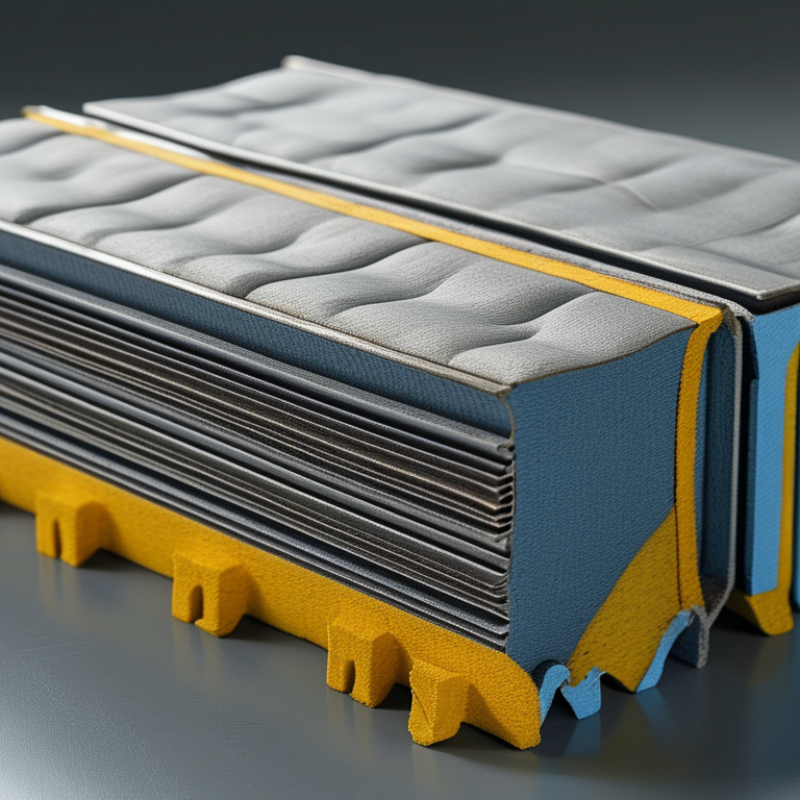
Plate heat exchanger gaskets play a crucial role in the design and operation of these efficient thermal devices. They ensure that fluids flow through the plates without leaking, allowing for optimal heat transfer. According to industry reports, failures in gaskets can lead to significant inefficiencies, with energy losses sometimes exceeding 25%. Hence, understanding their functionality is essential.
The choice of gasket materials, such as elastomers or PTFE, impacts the performance and longevity of the heat exchanger. A study published in the "Journal of Thermal Engineering" indicated that the lifetime of gaskets varies according to temperature and fluid type. For instance, EPDM gaskets are effective for hot water systems, while NBR gaskets are better for oils. This variability highlights the importance of selecting the right gasket for specific applications.
Even experienced technicians can overlook specifics when selecting gaskets. Not all gaskets provide the same sealing capability, and some are prone to swelling or degradation in certain chemical environments. A mismatched gasket can lead to operational issues and increased maintenance costs. It is vital for operators to continuously evaluate gasket performance and consult reliable data when making choices about maintenance and replacements.
| Dimension | Material | Temperature Range (°C) | Pressure Rating (bar) | Applications |
|---|---|---|---|---|
| 1000 x 2000 mm | EPDM | -40 to 120 | 10 | Food and Beverage |
| 1200 x 2500 mm | NBR | -20 to 100 | 12 | Chemical Processing |
| 1500 x 3000 mm | Silicone | -50 to 200 | 14 | Pharmaceutical |
| 800 x 1600 mm | FPM | -10 to 180 | 15 | Oil and Gas |
When selecting a plate heat exchanger gasket, several key factors should be considered. The material is crucial. Different gaskets offer various levels of thermal resistance and chemical compatibility. For example, rubber gaskets are often used for water applications, while PTFE is preferred for aggressive chemicals. It's essential to ensure the chosen material aligns with your operating conditions.
Another important aspect is the thickness and design of the gasket. Thicker gaskets may provide better sealing but could also limit the heat exchanger's thermal efficiency. Similarly, the design of the gasket affects how well it fits within the plates. Poorly fitting gaskets can lead to leaks and reduced performance. This means that even a small oversight in gasket selection can lead to larger operational issues later.
Additionally, the temperature and pressure ratings of the gasket must be compatible with your system's demands. A mismatch could result in premature gasket failure. Regular inspection and maintenance are also vital to ensure gaskets remain effective over time. Reflecting on these details is necessary, as neglecting one can undermine the entire heat exchange process.
In the selection of plate heat exchanger gaskets, material choice is crucial. Gaskets are key components, sealing plate connections to prevent leaks. Common materials include elastomers, metals, and composite materials. Each has unique properties affecting durability and performance.
Elastomer gaskets, like EPDM and NBR, are lightweight and flexible. They withstand varying temperatures but can degrade in harsh conditions. Metal gaskets offer robust durability, ideal for high-pressure applications. However, they can be less flexible, which may lead to installation challenges. Composite gaskets are a middle ground, balancing flexibility and strength.
Understanding the application conditions is vital. Factors such as temperature, pressure, and fluid type play a significant role. For instance, a high-temperature application requires careful material selection. Even slight miscalculations can lead to failures. When unsure, consult with experts to avoid potential pitfalls. This collaboration can lead to better choices that enhance system efficiency.
When selecting a plate heat exchanger gasket, understanding temperature and pressure ratings is vital. The gasket serves as a seal. It prevents leaks and maintains efficiency. A gap can lead to energy loss or contamination. According to industry reports, gaskets typically operate within a temperature range of -20°C to 200°C. Choosing a gasket that can withstand the specific process temperature is crucial.
Pressure ratings also play a significant role. Most gaskets handle pressures from 10 bar to 25 bar. Operating beyond these limits can cause failure. A gasket under excessive pressure may warp or crack, resulting in costly downtimes. It's advisable to consult with engineering teams to determine the operating conditions accurately.
Material choice impacts both temperature and pressure capabilities. Common materials include rubber, PTFE, and metal composites. Each has unique properties that suit various applications. For instance, PTFE gaskets can handle higher temperatures but might not resist certain chemicals. Conducting thorough material compatibility assessments can prevent common pitfalls in gasket selection.
Maintaining and replacing heat exchanger gaskets is crucial for efficiency. Over time, gaskets can degrade due to temperature fluctuations and chemical exposure. The heat exchanger's effectiveness can decline by up to 25% if gaskets are worn or damaged. Regular inspection is essential. Checking for leaks and signs of wear ensures optimal performance.
When replacing gaskets, consider the material. Common choices include EPDM and PTFE. Each material has its benefits and ideal applications. EPDM is often preferable for hot water applications. PTFE works well with aggressive chemicals. Selecting the right material can prevent costly downtime. Reports indicate that improper gasket selection can lead to failure rates of 15% in heat exchangers.
Routine maintenance is often overlooked. A proactive approach can extend gasket life by 30%. Keeping surfaces clean and ensuring proper torque settings during installation can prevent premature failure. Not addressing these details can result in leaks and operational failures. A simple check can make a significant difference.
„Thanks to the LUVIR technology, the solder resist process could be switched directly from the previously used mask exposure to direct exposure. As an outstanding digital solution on the market, this technology has been able to demonstrate fast process times and superior quality on our certified conventional ink in production. This allowed us to fully digitize the solder mask process at low cost – without process or ink adjustments. An excellent benefit to our production in Rot am See.“
Ralf Göhringer (Head of Production WE Rot am See)
I would definitely recommend the Limata machine and team for a future company purchase
Michael Greenaway
Compunetics Inc.
“The Limata ldi has been amazing!! Best thing we did was buy this machine”
Richard Brady
GM
Circuitlabs
“Since 2019, we have been running the Limata X1000 LDI system (including LUVIR for solder mask imaging) in daily production as an addition to our current process with film. The machine was capable of properly exposing Taiyo PSR-4000 BN (DI) solder mask types on normal to high-copper boards using a new and unique direct imaging process. The machine operating interface is very user friendly which allowed for a quick technical training curve. The pre-registration processing reduced several seconds of production time at every print. Limata support and service staff is incomparable. They supported our team every step of the way at basically any time of the day or night, with literally, an immediate response time, customizing the software interface to best fit our Operations and needs.
We have exposed more than 8,000 prints since end of October, on various solder mask colors and some resist film panels. Limata, has proven to be very capable and innovative. They are a strong contender in the industry.
We have very much enjoyed this project, and working with the team!
Thank you Limata for the continued support and being a part of our growth.”
Bill Sezate
Vice President, GM
Summit Interconnect
As a replacement to our current contact exposure process with film, the LIMATA X2000 system including LUVIR-Technology was capable of properly exposing non-LDI solder mask types using a direct imaging process. The machine offers cutting edge software with a very intuitive operating interface which allowed for quick technician training curve. The dual drawer system combined with pre-registration processing reduced several seconds of production time at every machine cycle. Limata support and service staff is world class. They added software patches to keep production running at shortest possible response times, customized the software interface to best fit our in-house Operations system, and even wrote a step-by-step machine processing manual. As a result of the project, we have exposed more than 16,000 times on various product types and solder mask brands/colors. Limata, in a very short timeframe as a company, has definitely shown they are truly innovative and will be challenging the industry of direct imaging for the top spot.
Kevin Beattie
Process Engineer
TTM Technologies
Forest Grove Division
